


Don’t Publish Results, INEC Warns Media

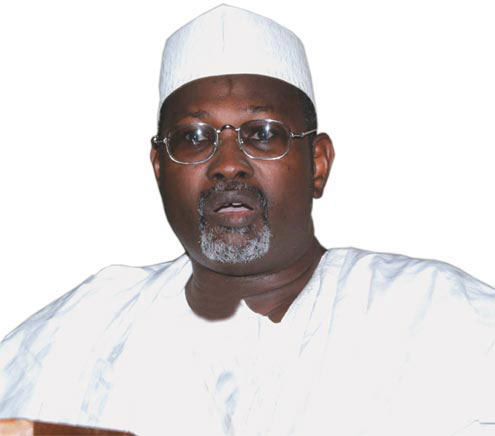
INEC Chairman Attahiru Jega warned media houses to avoid unauthorised reportage of election results.
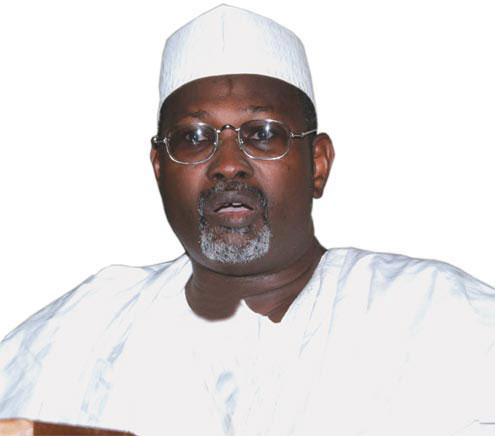
Jega made the call at a one-day training workshop for INEC Press Corps on “ensuring socially responsible reportage of the 2011 general electionsâ€.
Represented by Prince Solomon Soyebi, INEC National Commissioner in charge of Media and Publicity, Jega said premature declaration of election results often prejudiced the populace and obstructed the acceptability of official ones.
He explained that because the media was a highly competitive industry, the tendency had been that many organisations would rush to publish inconclusive results.
Jega said it was only the Returning Officers who were mandated by law that should declare election results.
He said the most sensitive role of the media in the coverage of the electoral process was how the results of elections were reported.
“Elections might be credibly conducted, and yet indiscretionary reportage of the results would make them largely unacceptable to the public,†said Jega.
According to him, such inconclusive results ought not to be paraded as provisional declarations of the outcomes of elections ahead of formal pronouncements by a designated returning officer.
Jega further said the media had the potential to make or mar any election by the manner of their reportage.
He said there were likely dangers if official results were at variance with premature or inconclusive declarations.
INEC on 23 March said election results would be announced and pasted at the polling booths.
Similarly, Prof. Umar Pate, Department of Mass Communication, University of Maiduguri, in his lecture, urged the media to make unbiased predictions on outcome of elections.
Pate expressed the need for the media to make in-depth investigations on the background of candidates.
He noted that people depended largely on the media to create images, form opinions and quite often get guidance on issues and candidates on the electoral process.
“Through this we can highlight candidates’ records and performances and inform the opinion of what candidates to be voted by the electorate,†Pate said.
Comments