


Wretched Implementation Record

President Goodluck Jonathan’s record of indifference to recommendations of committees established by his administration leaves the public flustered
 The administration of Dr. Goodluck Jonathan first showed his fondness for committees with the inaguaration of the Presidential Advisory Council, PAC, headed by former Minister of Defence, General Theophilus Danjuma (retd.). The now dissolved PAC, which was submitted to the government on 20 January 2011, recommended, among other things, a reduction of the federal bureaucracy. It reasoned that by merging federal ministries and agencies of government, the cost of governance would reduce drastically, freeing funds for infrastructural developments. But that was as good as it got, as the recommendations appeared to have been interred in the vast graveyard of similar efforts.
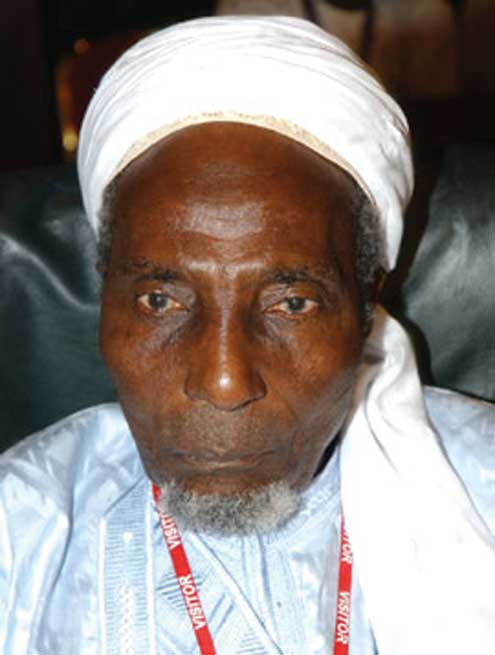
In August last year, another presidential committee, on rationalisation and restructuring of federal government parastatals, commissions and agencies, was inaugurated. The committee, which was mandated to study and review all previous reports on the restructuring of federal government parastatals, examine their enabling acts, classify them into various sectors and identify areas of overlap or duplication of functions, among others, came up with its recommendations. Salient among them was the merging or outright scrapping of some federal government parastatals and agencies, including the Economic and Financial Crimes Commission, EFCC, and the Independent Corrupt Practices and other related offences Commission, ICPC. What followed was the setting up of a whitepaper committee, which is yet to make its report known. In the same vein, a special panel was established to probe the violence and civil disturbances that erupted during last year’s general elections in Akwa Ibom and across the northern part of the country. The committee, which was headed by 83-year-old Sheikh Ahmed Lemu, identified ethno-religious sentiments, negative campaigns and tendency of political office holders to turn politics into a lucrative business, among others, as causes of the violence. Its recommendations have found their way into the government mausoleum for such.
In March 2011, the President set up the Presidential Committee on Review of the Reform Processes in the Nigerian Public Service and another on Public Awareness on Security and Civic Responsibilities, jointly headed by Alhaji Adamu Wazirin Fika and the late Dr. Lateef Adegbite. Five months after, Fika submitted an interim report to the President, which was not made public. Fika demanded an extension of time to enable the committee undertake wider consultations with institutions and organs of government relevant to its mandate. Nothing has been heard about the other committee’s report.
In March 2012, President Jonathan set up an advisory committee on the Niger Delta Development Commission, NDDC, to advise the government and governing board of the Commission. He said the committee, which has the nine governors of the Niger Delta states as members, was part of his “administration’s holistic measures at strengthening the NDDC and ensuring its members function with an uncommon sense of duty, responsibility and accountability”. But no sooner was the panel put in place than it slipped into slumber. In May, a committee on the upgrade of all airports across the country was created. The committee has also slid away from public reckoning.
Jonathan also inaugurated a committee on the review of outstanding constitutional issues, headed by former Chief Justice of Nigeria, CJN, Justice Alfa Belgore. Some of its proposals included devolution of power to the states, autonomy for local governments, and scrapping of the Office of First Lady. But so far, no action is being taken on the recommendations of the report, which was submitted early July. Aside those earlier mentioned, others in the inexhaustible list of presidential committees have suffered similar fate.
—FOLA ADEMOSU/TheNEWS magazine
Comments