


Nigeria’s slow kidnap response worries US officials

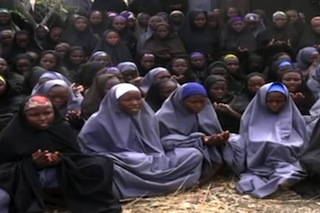
WASHINGTON (AFP) – US officials slammed Nigeria’s “slow” response to the kidnapping of more than 200 schoolgirls by Islamic militants and renewed criticism Thursday of the military’s poor human rights record.
Washington considers Nigeria a strategic partner and is alarmed by the regional threat presented by Boko Haram militants, who have been on the US blacklist of foreign terrorist organizations since last year.
The United States have spearheaded global efforts to return the more than 200 schoolgirls held hostage by Boko Haram since a raid on the northeastern Nigerian town of Chibok on April 14.
“Resolving this crisis is now one of the highest priorities of the US government,” Principal Deputy Assistant Secretary of State for African Affairs Robert Jackson told senators.
He joined several senators and a Pentagon official in criticizing Abuja’s approach to the crisis.
AFP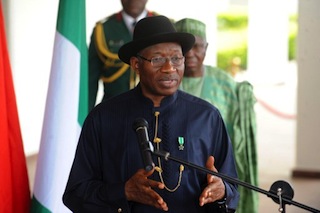
Democratic Senator Robert Menendez, who chairs the Senate Committee on Foreign Relations, said Nigeria had been “tragically and unacceptably slow” to deal with the crisis, despite offers of assistance from the United States and other countries.
“I have called on President (Goodluck) Jonathan to demonstrate the leadership his nation is demanding,” Menendez said.
The Pentagon meanwhile criticized Nigeria for failing to react swiftly to the rise of Boko Haram, who have been blamed for thousands of deaths since 2009.
Nigeria has typically resisted security cooperation with the West over the group.
“We cannot ignore that Nigeria can be an extremely challenging partner to work with,” Defense Department Principal Director for African Affairs Alice Friend said.
“In the face of this sophisticated threat, Nigeria’s security forces have been slow to adapt with new strategies and new tactics.”
Jackson said Washington had been “urging Nigeria to reform its approach to Boko Haram.”
– Human rights violations –
The United States has accused Nigeria’s military of widespread rights abuses in its fight against Boko Haram, which Jackson said had been counterproductive in dealing with the group.
“The state must demonstrate to its citizens that it can protect them and offer them opportunities,” he said.
“When soldiers destroy towns, kill civilians and detain innocent people with impunity mistrust takes root.”
Friend said Nigeria’s “record of atrocities perpetrated by some of its security forces during operations against Boko Haram have been widely documented.”
The United States does not provide assistance to any Nigerian military units implicated in “gross violations of human rights,” she added.
The United States has sent a team of around 30 civilian and military personnel to help Abuja in its hunt for the kidnapped schoolgirls.
The US military has also confirmed it is flying surveillance drones as well as manned reconnaissance planes over the country in an effort to locate the girls.
Boko Haram militants kidnapped 276 girls from their school in Chibok last month. Dozens managed to escape but 223 are thought to remain in the hands of the group.
– US response criticized –
President Barack Obama’s Republican foes criticize the fact that it took the US government months in 2012 and 2013 to place Boko Haram and the Ansaru group on the terror blacklist.
They especially focus their critiques on Hillary Clinton, who served as secretary of state between 2009 and February 2013 and visited Abuja in August 2012.
“In retrospect, we might have done it earlier,” Jackson acknowledged about adding Boko Haram to the blacklist.
“I think the important thing is that we have done it and that we’ve offered a reward for the leadership of Boko Haram’s location… This is an organization that is becoming an international threat and needs to be dealt with through international cooperation.”
Comments