


MDGs record successes in Nigeria


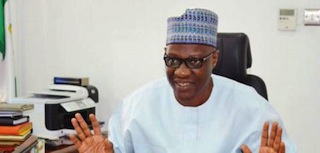
In Kwara, Mr Ope Saraki, the Special Assistant to Governor AbdulFatah Ahmed on MDGs, said many communities in the 16 local government areas of the state benefited from various projects of MDGs.
According to Saraki, some of the projects completed are toilets, motorised boreholes, renovated health centres, medical equipment and instructional materials for schools, among others.
He said 150,000 insecticide mosquito nets were provided to communities in all the local government areas, while ultra sound scanning machines were given to 32 health centres in the state.
Saraki said 78 communities benefited from solar powered boreholes, while 13 general hospitals got the supply of modern medical equipment and 13 ambulances.
Nonetheless, Saraki noted that most of the MDGs projects had not been completed due to inadequate release of funds.
Mr Garba Ajiya, the MDGs Focal Person in Taraba, said the MDGs office in the state, had provided healthcare units and maternity clinics in each of the council wards in the 16 local government areas of the state.
“This is to address the three health related goals which include; reduction in child mortality, improving maternal health and combating HIV and AIDS, malaria and other diseases,” he said.
Ajiya explained that the major area of concern was inadequate manpower in the health sector in the state.
He said the office had constructed classrooms, boreholes and trained women and youths in various trades.
In Plateau, the state government said it had achieved 92 per cent success in MDGs implementation.
Mr Peter Gai, the Project Coordinator, Project Support Unit of the MDGs in Plateau, said in an interview that the achievements were made in the areas of poverty reduction, provision of healthcare services, provision of potable water, sanitation and primary education.
“We have been able to train people in various trades; for instance, we have recruited and trained people as village health workers who receive N15, 000 monthly.
“So far, we have empowered 12 cooperative groups with a grant of N500, 000 each to enable them improve their businesses,” he said.
Gai said 2,250 rural poor persons were being paid N5, 000 monthly for a period of one year to enable them to send their children and wards to schools on the platform of MDGs Conditional Cash Transfer.
The project coordinator said the MDGs had recorded 75 per cent success in the area of healthcare as more than 250 primary health centres had been established in the state.
“We have provided hospital equipment to more than 120 health centres and supplied drugs to most of them.


Comments