


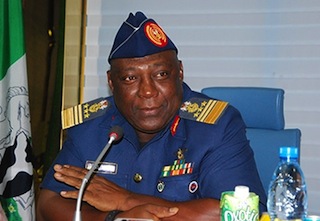
Air Force chief, Badeh under attack over Boko Haram response

Out of this year’s federal budget of 4.962 trillion naira ($30 billion, 23 billion euros), 968 billion naira or nearly 20 per cent went to defence — the highest since the 1967-1970 civil war.
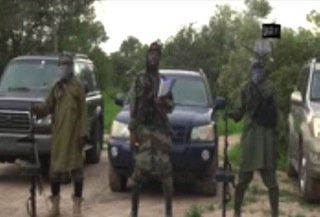
Boko Haram is estimated to have between 6,000-8,000 fighters and is largely reliant on criminality for funding and looting the places it attacks, including military barracks.
Why the militants appear to have the upper hand has left many Nigerians baffled and politicians demanding answers.
“This is not the military that we used to know,” said one former officer, who participated in Nigeria’s first military coup in January 1966.
“How can a rag-tag group of dissidents overpower trained Nigerian soldiers? It is shameful,” he told AFP. “Our military are just wallowing in self-denial.”
– Years in the making? –
Nigeria’s military woes are all too predictable for some.
Former army general-turned-lawmaker Ahmed Saleh believes the rot set in after a failed coup attempt against military ruler Ibrahim Babangida in 1990.
Babangida got rid of experienced senior officers and handed more control to the military high commands in Abuja, leading to “decay” in the ranks in terms of training and skills, he said.
Front-line operations were impossible without weapons and ammunition shortages, he was quoted as saying in Nigeria’s media on Friday.
“We have a duty to rebuild the armed forces and unless we understand these basic facts, we are not going anywhere,” he added.
Comments