


Tanzania urges China to reduce ivory demand to save elephants

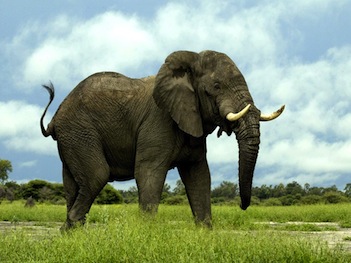
Photo: National Geographic
Tanzania’s Natural Resources and Tourism Minister, Lazaro Nyalandu, on Thursday described elephant poaching as a national disaster and urged China to curb its appetite for ivory.
Nyalandu made this known to newsmen at the launch of an anti-poaching awareness campaign.
According to a census released this month, Tanzanian’s elephant population shrank from around 110,000 in 2009 to a little over 43,000 in 2014, a fall of 60 per cent, with conservation groups blaming industrial-scale poaching.
“We call upon the international community led by China to end its appetite for ivory,” Nyalandu said.
Demand for ivory from fast-growing Asian economies such as China and Vietnam, where it is turned into jewels and ornaments, has led to a spike in poaching across Africa.
China, the world’s biggest consumer of elephant tusks, announced in February a one-year ban on the import of African ivory carvings, but conservationists said corruption is fuelling poaching in Tanzania.
Mary Rice, executive director of the London-based Environmental Investigation Agency, told newsmen that illegal ivory trade in and through Tanzania continued unabated in spite of repeated warnings and irrefutable evidence of the scale.
“Chronic corruption in Tanzania throughout the trade chain, and particularly in the exit points and ports, is a key driver of the trade,” Rice noted.
Nyalandu said that Tanzania’s rangers were overwhelmed by the scale of the poaching, however, he added that there were suggestions that migration could account for falling numbers at some national parks.
“We have ordered a new elephant census to be carried out in August to validate the results of this latest survey,” he said.
Nyalandu added that poaching at safari parks was threatening the tourism industry, Tanzania’s biggest foreign exchange earner.
Comments