


Parents To Caution Children Against Exam Malpractice

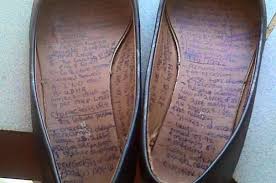
Stakeholders in the education sector on Thursday urged parents to caution their children against in examination malpractices.
They gave the advice in Abuja.
Mrs Fatima Abba, a don, decried the increase in cases of examination malpractice in the country, particularly among students in higher institutions.
“Most students no longer read, they prefer relying on other dubious sources to pass their examinations with the knowledge, support and consent of their parents and some dishonest staff,’’ she said.
Abba stressed the need for attitudinal change, especially among students, adding that the effects of examination malpractices would affect every sector because it produced unqualified persons in the society.
“It is not solely the responsibility of the government to fight examination malpractices, every stakeholder needs to also key into the fight against the anomaly.
‘’This is because its effects will be felt by everyone where we have unqualified practitioners in every sector.
“That is why we have so many graduates who cannot defend their certificates, because they did not work for them, some have no knowledge on how to justify their certificates in places of work.’’
Also, Mr Moses Bobai, a secondary school teacher, blamed some parents for encouraging their children to rely on alternative means of passing examinations.
“At times, it is even some parents that will come and beg that they want their children to be assisted in whatever way, to enable such children pass their Senior Secondary Certificate Examinations and secure admission into higher institutions.
“They come with all sorts of pleas, monetary enticements, gifts and some even go to the extent of threatening a teacher to ensure that their children come out with good results.
”This they do not minding the fact that such children might not be able to do well in future.’’
“Government can really put a stop to examination malpractices if it wants to, by prosecuting both the students, parents, schools and even officers and the examination bodies involved.
“When government starts doing that, it will serve as deterrent to others.’’
Mrs Victoria Joseph, a primary school proprietress, said recently she had cause to disengage a staff from her school because she was not performing as expected.
“I recently had to call off the services of a teacher I employed because she was not contributing toward improving the knowledge of her students.
“Even though she had a very good result from one of the prestigious universities in the country but could not speak good English, much less teaching effectively.’’
Joseph appealed to education officials to engage in continuous supervision of schools, particularly higher institutions to ensure effective performance of students.
Mr James Kazah, an unemployed graduate, attributed the increase in examination malpractices to the mode of recruitment of teachers in public schools and higher institution based on ethno-religious affiliation.
“It is so sad that we have allowed sentiments to becloud our judgment in recruitment processes in virtually all the sectors of the country, especially the education sector. Education sector is supposed to be the vehicle to propel other sectors.
“Some workers are employed based on religious or ethnic affiliation without much regard to the qualification of the person or how credible the person’s results are.
”All we care about is employing our relations,’’ he said.
He also called on government to ensure strict employment policies as well as engage the services of workers, based on merit and not religious or ethnic sentiments to curb examination practices.
Comments