


Brussels prosecutors to investigate DRC passport deal

 Quick Read
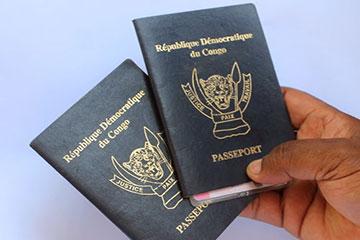
Brussels prosecutors are investigating a deal between Belgian company Semlex and the Democratic Republic of Congo (DRC) to supply biometric passports, a spokesman for the prosecutors’ office said on Thursday.
Brussels prosecutors are investigating a deal between Belgian company Semlex and the Democratic Republic of Congo (DRC) to supply biometric passports, a spokesman for the prosecutors’ office said on Thursday.
He said the investigation had started in early 2017 but declined to give any further details.
A Reuters special report on April 14, showed that 60 dollars of the price of every 185 dollars DRC passport is channelled to a company registered in the United Arab Emirates, believed to be owned by a close relative of DRC President Joseph Kabila.
Brussels-based Semlex, which has become a leader in providing identity and travel documents for African nations over the past 20 years, was not immediately available for comment.
On Tuesday, top opposition leaders in DRC called on the new prime minister to investigate revelations by Reuters that most of the money paid by Congolese citizens for new passports goes overseas.
According to a person with direct knowledge of the passport deal, the UAE-registered company, which receives 60 dollars for every passport issued, is owned by Makie Makolo Wangoi, believed to be a close relative of Congo President Joseph Kabila.
The Congolese presidency, Wangoi and Semlex did not respond to requests for comment for the story.
Speaking to reporters in the capital, Kinshasa, Felix Tshisekedi said the main opposition bloc that he leads would only speak to incoming Prime Minister Bruno Tshibala once he takes action over the passport affair.
“He should start by resolving the problem of the scandal taking place in the republic today, the scandal of the passports.
“Tshibala should show his independence by resolving this problem, and then we will speak,” Tshisekedi said
Claudel Andre Lubaya, an opposition member of parliament and former provincial governor, also called on the attorney general to investigate the matter.
The youth activist group Lucha reacted to the story on its Twitter feed by saying that Congo “is hostage to a band of stealers and criminals.”
A government spokesman could not be immediately reached for comment.
Corruption is endemic in the vast central African state.
Kabila’s counsellor on graft and money laundering said in 2015 that the country loses up to 15 billion dollars a year to fraud, roughly three times the annual budget.
Kabila also faces calls from the opposition to step down this year after he refused to quit power at the end of his constitutional mandate in December, citing delays organising an election to replace him.
Comments