


Oil Deal: South Sudan owes Sudan $1.3bn – official

 Quick Read
South Sudan still owes neighbouring Sudan 1.3 billion dollars from a 2012 deal that ended a dispute over oil payments between the two nations, former deputy finance minister told Reuters.
South Sudan still owes neighbouring Sudan 1.3 billion dollars from a 2012 deal that ended a dispute over oil payments between the two nations, former deputy finance minister told Reuters.
According to former deputy minister Mou Thiik, the previously undisclosed amount is equivalent to eight years worth of oil revenues for South Sudan at current prices.
He spoke to Reuters on Friday and was removed from his post by President Salva Kiir later that day.
Finance Minister Stephen Dau did not answer calls or text messages.
Oil minister Ezekiel Gatkuoth also did not answer calls or text messages.
Information minister Michael Makuei said he could not comment on figures.
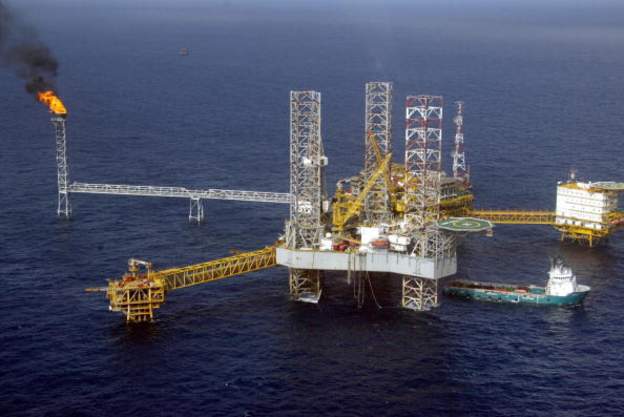
In 2012, South Sudan shut down oil output after it could not reach an agreement with neighboring Sudan, its former ruler, on payment to use its infrastructure to export crude from its oilfields.
South Sudan eventually agreed to pay three billion dollars to Khartoum in a late 2012 agreement.
South Sudan is also supposed to pay royalties fees for each barrel of oil it exports through Sudan.
Thiik said Juba still owes 1.3 billion dollars of that original amount.
The debt underscores the ruinous state of the economy of the world’s youngest nation amid a four-year civil war that has killed tens of thousands of people, forced four million people to flee their homes and slashed oil output, the main source of revenues.
Juba has not paid soldiers or civil servants for most of this year.
It was not clear if the 1.3 billion dollars debt included the arrears that landlocked Juba continues to rack up with Khartoum, the amount agreed in 2012 was roughly 26 dollars in fees for each barrel of South Sudanese crude piped to Port Sudan.
Sudan has been collecting some of those fees via an oil-for-cash arrangement, in which Khartoum takes cargoes of South Sudanese crude, but arrears are substantial.
The International Monetary Fund estimated that in the 2015 and 2016 financial year, Juba accumulated 291 million dollars in payment arrears related to the 2012 deal.
In the 2017 and 2018 budget passed in August, Juba acknowledged it would continue to accrue debt to Khartoum.
“It is likely that it will not be possible to honor the renewed 2012 (agreement) and make full payments to Sudan,” read the budget on the finance ministry’s website.
Comments