


Ethiopia’s PM Ahmed calls on opposition groups, civil society to prepare for peaceful dialogue

 Quick Read
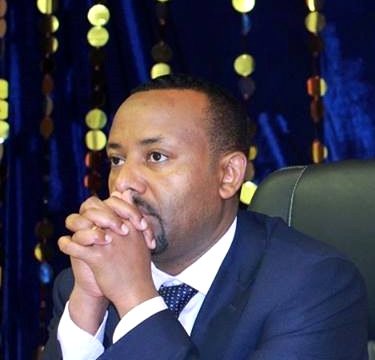
Ethiopia’s new prime minister Abiy Ahmed on Friday called on opposition groups and civil society to prepare for peaceful dialogue and negotiations.
Ethiopia’s new prime minister Abiy Ahmed on Friday called on opposition groups and civil society to prepare for peaceful dialogue and negotiations.
Ahmed who made the call at a meeting he held talks with officials from opposition groups and civil society, said he is willing to push through political reforms announced in the wake of protests.
The 42-year-old former army officer was sworn in as premier on April 2 after his predecessor Hailemariam Desalegn resigned in February amid violent unrest that threatened the ruling EPRDF coalition’s hold on Africa’s second most populous nation.
Since 2015, hundreds have died in the Horn of Africa country in violence triggered by demonstrations over land
rights in its Oromiya region.
The protests have since broadened into rallies over political rights.
Abiy told dissident politicians and civil society leaders that he would “broaden the political space”, the
state-affiliated Fana Broadcasting Corporation said.
He “called on political parties to prepare for peaceful dialogue and negotiations”, the corporation added.
Among those who attended the event included opposition leaders Merera Gudina and Bekele Gerba, who were released
in January and February respectively having been jailed on charges of incitement during the protests.
Abiy’s meeting came a day after he visited Ambo, a town in Oromiya that was at the heart of protests and clashes
with security forces since 2015, where he pledged to address grievances.
Faced with mounting unrest, Addis Ababa pledged a raft of reforms in 2017 in a bid to reduce tensions.
Since January, authorities say nearly 6,000 prisoners have been freed, most of which were detained for alleged
involvement in the mass protests.
Ethiopia, sandwiched between volatile Somalia and Sudan, is often accused by rights groups of using security
concerns as an excuse to stifle dissent and media freedoms.
It denies the charge.
Comments