


UK woman’s death: Russia describes allegation “quite absurd.”

 Quick Read
The Kremlin on Monday said it was sorry to hear that a British woman, Dawn Sturgess, had died after being poisoned by a nerve agent, and described any suggestion that Russia was involved would as “quite absurd.”
The Kremlin on Monday said it was sorry to hear that a British woman, Dawn Sturgess, had died after being poisoned by a nerve agent, and described any suggestion that Russia was involved would as “quite absurd.”
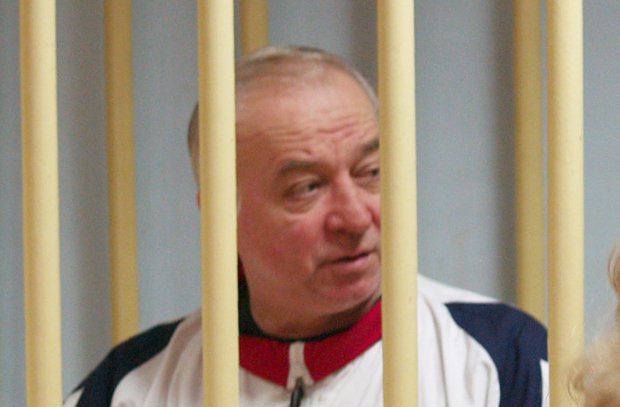
British authorities said Sturgess, 44, died on Sunday after being poisoned by the same nerve agent that struck a former Russian spy, Sergei Skripal, and his daughter Yulia in March, triggering a crisis in relations between Western capitals and Moscow.
“We continue to be deeply worried by the continuing presence of these poisonous substances on British territory.
“We consider that it is a danger not only for the British, but for other Europeans,” Kremlin spokesman Dmitry Peskov told reporters when asked about the death of Sturgess.
Russia, which is currently hosting the soccer World Cup, has denied any involvement in the Skripal case and suggested the British security services had carried out the attack to stoke anti-Moscow hysteria.
Peskov said the investigation and what was happening in the Salisbury area was a British issue which had nothing to do with an upcoming summit between President Vladimir Putin and U.S. President Donald Trump. Prime Minister Theresa May said she was appalled and shocked by the death.
Police said they were investigating how Sturgess and a 45-year-old man, named by media as Charlie Rowley, came across an item contaminated with Novichok, which was developed by the Soviet military during the Cold War.
The March attack on the Skripals prompted the biggest Western expulsion of Russian diplomats since the Cold War as allies sided with Britain’s view that Moscow was either responsible or had lost control of the nerve agent.
Moscow hit back by expelling Western diplomats.
Comments