


Myanmar rejects ICC case on persecution of Rohingya Muslims

 Quick Read
The ICC on Thursday ruled it had jurisdiction over “the crime against humanity of deportation allegedly committed against members of the Rohingya people,” according to a statement.
The ICC on Thursday ruled it had jurisdiction over “the crime against humanity of deportation allegedly committed against members of the Rohingya people,” according to a statement.
This is paving the way for Myanmar leaders to be tried in The Hague.
Myanmar in both April and August rejected the ICC’s purview over the country, arguing that it was not party to the Rome Statute, which established the ICC.
The government stood by those two statements, government spokesman, Zaw Htay, told a news conference in the capital, Naypyitaw, on Friday.
However, the ICC justified its decision as that the case involves a border crossing from one state not adherent to the court, Myanmar, to one that does, Bangladesh.
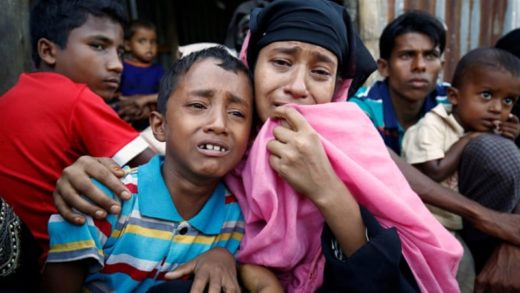
More than 700,000 mostly Muslim Rohingya have fled their homes into Bangladesh since August 2017, bringing with them accounts of rape, arson and killings by Myanmar security forces.
Earlier this month the UN said the grievous human rights abuses by security forces could amount to genocide and urged prosecution of Myanmar by the ICC.
Rohingya Muslims, an ethnic minority group in Buddhist-majority Myanmar, were stripped of citizenship in 1982 and have been long subjected to persecution in Rakhine state, where most of them lived.
They are labeled ‘Bengali’ by the government and much of the Myanmar population to infer they are interlopers from Bangladesh and are denied access to health care, education and freedom of movement.
Comments