


Cholera outbreak: WHO supports Zimbabwe with 1.4m vaccinations

 Quick Read
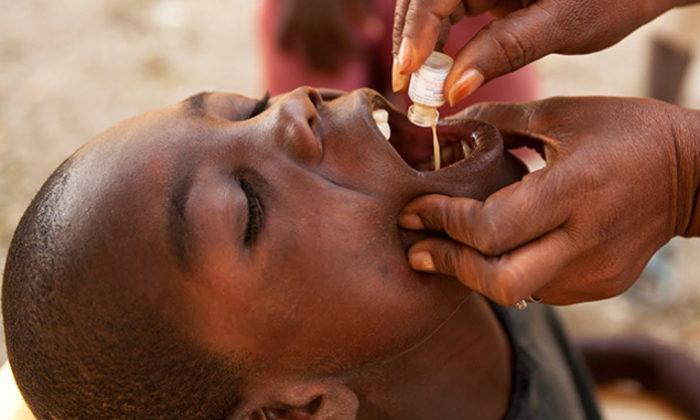
The World Health Organisation (WHO) is supporting Zimbabwe’s efforts to begin vaccinating 1.4 million people against a new deadly outbreak of cholera, beginning on Wednesday.
The World Health Organisation (WHO) is supporting Zimbabwe’s efforts to begin vaccinating 1.4 million people against a new deadly outbreak of cholera, beginning on Wednesday.
The intervention followed the outbreak of the waterborne disease in September at Glen View, a dense suburb vulnerable to cholera because of lack of potable water.
The UN Office for the Coordination of Humanitarian Affairs (OCHA), which was monitoring the situation, reported over 6,600 suspected cases in the three weeks since the disease first emerged.
The disease later spread to at least five additional provinces, which led the Zimbabwe Government ro announce a state of emergency on Sept. 11.
WHO, in a statement, commended Zimbabwe’s Government for moving quickly to address the problem, providing clean water, promoting hygiene, cleaning blocked drains and setting up dedicated treatment centres.
The vaccines were sourced from the global stockpile, which is funded by Gavi, the Vaccine Alliance, the global health agency said.
Seth Barkley, head of Gavi, said that there was no reason why people should still be dying from the “horrific disease” of cholera, which could be prevented with clean water and sanitation.
“Gavi has worked hard to ensure the global cholera vaccine stockpile remains fully stocked and ready to help stop outbreaks such as this,” Barkley said.
He said the government of Zimbabwe had “done a great job in fighting this outbreak adding, “we must now hope that these lifesaving vaccines can help to prevent any more needless deaths”.
No fewer than 600 health workers in Zimbabwe have been trained to carry out the vaccination campaign, with WHO supporting the Government on a roll-out strategy.
The strategy would include making inoculations available at health facilities, schools and shopping centres.
WHO experts had also provided oral rehydration salts, intravenous fluids and antibiotics sufficient to treat 6,000 people, and were helping the authorities to strengthen preventative measures.
Dr Matshidiso Moeti, WHO’s Regional Director for Africa, said: “we have a window of opportunity to strike back with the oral cholera vaccine now, which, along with other efforts, will help keep the current outbreak in check and may prevent it from spreading further into the country and becoming more difficult to control.”
WHO said the campaign would be rolled out in two rounds, focusing on the most heavily affected suburbs in Harare and Chitungwiza, which is 30 kilometers southeast of the capital city.
To ensure longer-term immunity to the population, the world health agency said a second dose of the vaccine would be offered at a later date.
Cholera frequently hits Zimbabwe, and the most serious recent outbreak was in August 2008, lasting for nine months and claiming more than 4000 lives.
Comments