


Nigeria’s senior citizens call for improved welfare services

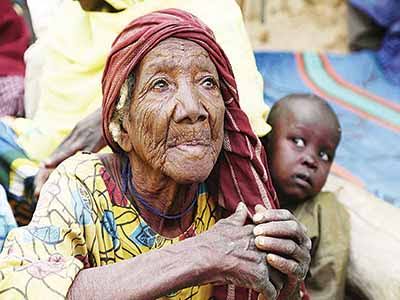
 Quick Read
Senior citizens in the Federal Capital Territory (FCT), Abuja, have called for improved service delivery that would improve their welfare and address their numerous plights.
Senior citizens in the Federal Capital Territory (FCT), Abuja, have called for improved service delivery that would improve their welfare and address their numerous plights.
They also charged the federal government to look into pension administration and make it more effective, as its current state had not helped address the plight of pensioners, most of whom were older people.
They made the appeals in separate interviews on Tuesday.
Col. Matthias Adakole(Rtd) said that there were several crucial issues related to the well-being of the elderly such as poverty alleviation, economic security, provision of accessible and affordable health care.
Adakole added elimination of violence and abuse, strengthening of social and family support systems, living arrangements, inter-generational solidarity and integration into social life.
He said that the family remained the main source of support for the majority of the elderly in Nigeria, whether in the context of extended families or co-residence of parents with adult children.
“How do we sustain such support systems in the light of changing social structures,” he questioned.
Mrs Uwani Musa, a retired civil servant said that the problems of the elderly population in Nigeria must be addressed in a broad and holistic national context.
“This incorporates responsive legislative and administrative policies and programmes as well as inter-sectoral and multi disciplinary strategies,” she noted.
Musa said that the elderly themselves, their families, communities and Non Governmental Organisations (NGOs), must be actively involved in the planning and implementation of such policies and programmes.
“Information is key in this process,” she stressed.
She advised that the government should make adequate use of available data on the elderly, which she said was significant.
She said that the statistics would provide extensive data on the demographic and socio-economic characteristics of the elderly population in Nigeria and the strategies that should be put in place towards improvement of their well-being.
She added that this would help the government further work to advance the nation’s resolve to implement sustainable economic and social policies for successful ageing.
Another elderly person, 82 -year-old Principal, Ebuka Obiora, decried the present economic situation in Nigeria, adding that it was not favourable to the aged and youth population.
“With the increased rate of unemployment among our youths, senior citizens who have retired and were dependent on jobless youths for sustenance, paint a dismal picture for the provision and sustenance of the ageing population.”
Obiora said that there was a very high potential of rapid growth rate of a medically unfit older population in the years ahead, which, he said would have serious implications on the economy of the nation.
According to him, health services to senior citizens have become a global concern and a policy issue that is not receiving attention by governments.
He said that ageing had continued to pose a serious challenge to the government of Nigeria, as seen in their inability to cope with regular payment of pensions.
Obiora said that it was unfair that after serving the nation meritoriously in one capacity or the other, and upon retirement, the government failed to provide for their basic needs.
Comments