


World Hepatitis Day: WHO releases mind-boggling figures

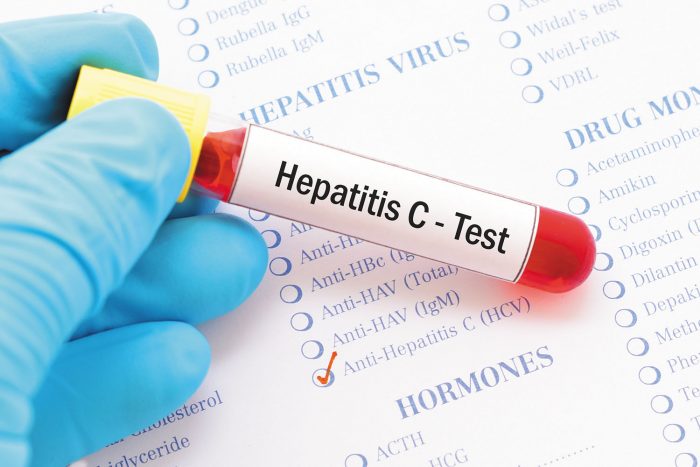
The Government of India, for example, has announced that it will offer free testing and treatment for both hepatitis B and C, as part of its universal health coverage plan. This has been facilitated through the reduction in prices of medicines. In India, a hepatitis C cure costs less than US$40 and a year of hepatitis B treatment costs less than US$30. At these prices, hepatitis C cure will result in healthcare cost savings within three years.
The Government of Pakistan has also been able to procure hepatitis C curative treatment at similarly low prices. Providing curative treatment to all those currently diagnosed with hepatitis C could also reduce healthcare costs in Pakistan within three years. Meanwhile, Pakistan is faced with one of the highest new annual infection rates of hepatitis C virus and is launching a new infection control and injection safety plan on the occasion of World Hepatitis Day to stop transmission.
WHO Facts about Hepatitis A, B and C
*Hepatitis A is a viral liver disease that can cause mild to severe illness.
*The hepatitis A virus (HAV) is transmitted through ingestion of contaminated food and water or through direct contact with an infectious person.
*Almost everyone recovers fully from hepatitis A with a lifelong immunity. However, a very small proportion of people infected with hepatitis A could die from fulminant hepatitis.
*WHO estimates that hepatitis A caused approximately 7 134 deaths in 2016 (accounting for 0.5% of the mortality due to viral hepatitis).
The risk of hepatitis A infection is associated with a lack of safe water, and poor sanitation and hygiene (such as dirty hands).
Hepatitis B
*Hepatitis B is a viral infection that attacks the liver and can cause both acute and chronic disease.
*The virus is most commonly transmitted from mother to child during birth and delivery, as well as through contact with blood or other body fluids.
*WHO estimates that in 2015, 257 million people were living with chronic hepatitis B infection (defined as hepatitis B surface antigen positive).
*In 2015, hepatitis B resulted in an estimated 887 000 deaths, mostly from cirrhosis and hepatocellular carcinoma (i.e. primary liver cancer).
*As of 2016, 27 million people (10.5% of all people estimated to be living with hepatitis B) were aware of their infection, while 4.5 million (16.7%) of the people diagnosed were on treatment.
Hepatitis B can be prevented by vaccines that are safe, available and effective.
Hepatitis C
*Hepatitis C is a liver disease caused by the hepatitis C virus (HCV): the virus can cause both acute and chronic hepatitis, ranging in severity from a mild illness lasting a few weeks to a serious, lifelong illness.
*Hepatitis C is a major cause of liver cancer.
*The hepatitis C virus is a bloodborne virus: the most common modes of infection are through exposure to small quantities of blood. This may happen through injection drug use, unsafe injection practices, unsafe health care, transfusion of unscreened blood and blood products, and sexual practices that lead to exposure to blood.
*Globally, an estimated 71 million people have chronic hepatitis C virus infection.
*A significant number of those who are chronically infected will develop cirrhosis or liver cancer.
*WHO estimated that in 2016, approximately 399 000 people died from hepatitis C, mostly from cirrhosis and hepatocellular carcinoma (primary liver cancer).
*Antiviral medicines can cure more than 95% of persons with hepatitis C infection, thereby reducing the risk of death from cirrhosis and liver cancer, but access to diagnosis and treatment is low.
*There is currently no effective vaccine against hepatitis C; however, research in this area is ongoing.


Comments