


China: “dying to make a deal with me” – Trump downplays trade prospects

 Quick Read
US President Donald Trump showed little optimism Tuesday for a positive result emerging from US-China trade talks this week in Shanghai.
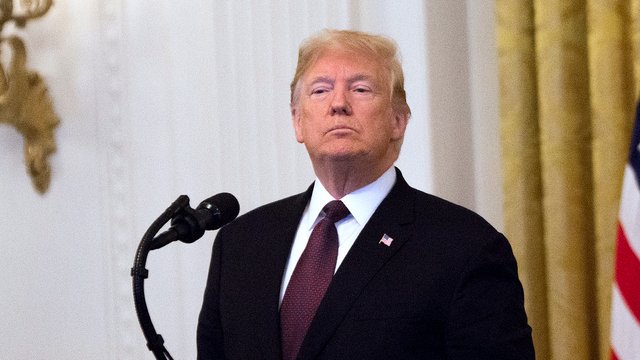
US President Donald Trump showed little optimism Tuesday for a positive result emerging from US-China trade talks this week in Shanghai.
Trump downplayed the chances of progress and insisted that the United States has the upper hand because economic growth is slowing in China.
He told reporters at the White House that his strategy of imposing tariffs on Chinese goods has given the US leverage in the negotiations and implied that the Chinese delegation is stalling in order to see whether he will be re-elected next year.
China would “love if I got defeated,” he said, adding that that would clear the way for a future deal with a Democrat that would allow them to “continue to rip off our country like they have been doing for 30 years.”
He also claimed that China is “dying to make a deal with me,” but it would be up to him not China.
US Trade Representative Robert Lighthizer and Treasury Secretary Steven Mnuchin arrived in Shanghai earlier Tuesday and were due to meet with Chinese Vice Premier Liu He for the first time since May in the latest round of talks.
“My team is negotiating with them now, but they always change the deal in the end to their benefit,” Trump said earlier Tuesday on Twitter. He also expressed frustration over trade in agricultural products that have not picked up as expected.
He tweeted that there was no sign of an increase in Chinese acquisitions of US agricultural goods, adding: “That is the problem with China, they just don’t come through.”
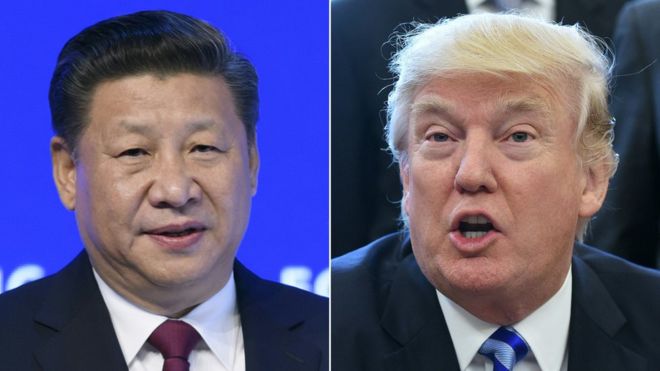
The talks in Shanghai follow a trade war detente brokered by Trump and Chinese President Xi Jinping at the G20 summit in Osaka last month.
Another reason for lowered expectation in the talks is most of China’s leadership is meeting in the resort town of Beidaihe to set major policy objectives for the rest of the year.
While the trade war is likely on their agenda, so are a number of topics – from the political crisis in Hong Kong to Taiwan’s presidential election next January.
The South China Morning Post reported that in protocol-conscious China, Lighthizer and Mnuchin were received with little fanfare, another sign the talks may have low priority.
The US has promised to hold back on imposing new tariffs and to lift some restrictions against Chinese telecommunications giant Huawei, which it blacklisted from working with US companies in May.
Trump, however, appears to have changed his tune as he said last week that no waiver would be given to Apple for products made in China, stating instead they should be manufactured in the US.
He has also recently called for China’s status as a “developing nation” at the WTO to be removed as it receives preferential treatment under international trade laws.
Prior to the G20 truce, Trump had threatened to impose tariffs on an additional 325 billion dollars’ worth of Chinese imports, which would mean almost all Chinese goods imported into the US would carry punitive tariffs.
Huawei has been a major casualty of the trade war and was blacklisted in May from working with US companies due to national security concerns.
Despite their blacklisting, the company posted revenues of just over 401 billion renminbi (58.3 billion dollars) in the first six months of the year on Tuesday.
Comments