


Unending Complications, Controversies over Lagos Traffic Laws

 Quick Read
Unarguably, years back, commercial motorcycles initially operated in most rural parts of the country where most vehicles cannot reach.
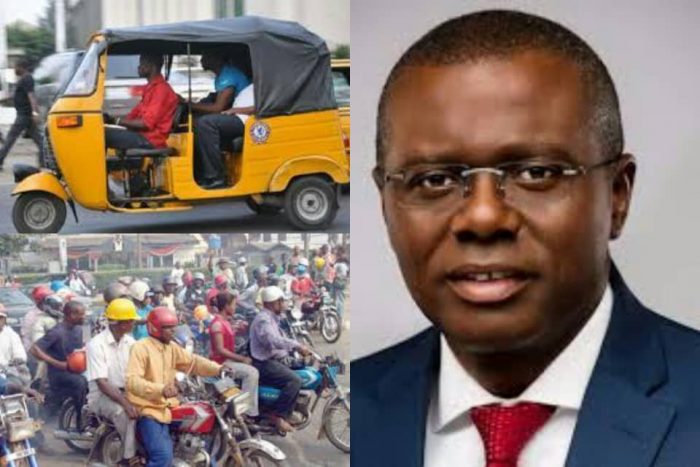
Going by the stance of the Lagos state government on the restriction of operation of commercial motorcycles and tricycles popularly known as Okada and Keke respectively in some areas in the state, it is glaring that the ripple effects of the ban may last longer unless something is urgently done. In this report, Muritala Ayinla examines the intrigues of the prohibition vis-a- vis the factors responsible for the needless debates over enforcement of the Lagos Traffic Laws
The dream of Kayode Olawale, 27, a National Youth Corps member became a reality following his successful redeployment to Lagos State from Plateau State where he was initially posted to undergo his one-year mandatory service to the nation. After spending the compulsory 21 days in orientation camp in the state, he was redeployed to Lagos by the NYSC management where he, like many Nigerians, believed could easily get job after the NYSC.
But the dream of this Ladoke Akintola University of Technology, LAUTECH graduate of Agric Extension and Economic, became shattered on the 4the of February, 2019 following a tragic accident along Abeokuta Expressway. While rushing to his place of Primary Assignment located in Oshodi, the corps member who took a commercial motorcycle to circumvent the traffic jam on the axis was crushed to death by a trailer with other passengers.
While Olawale’s family are saddened by the demise of their son, Mr and Mrs Emeka had accepted the fate over the case of their 15 year-old son, Chidi Emeka, who has been bed ridden in the Intercontinental Bank Casualty Ward of National Orthopaedic Hospital, Igbobi, Lagos for close to two months.
According to the parent, the little boy dreamt of becoming a football star right from age 10, but his ambition was truncated by circumstances beyond his control. Emeka now regretfully watches his friends playing football but could no longer join them because he has lost his limbs to a commercial motorcycle accident.
For Mrs Bimbo Olowoporoku, a business tycoon in Ebute Ero market in Lagos Island, the 17th of May 2018 will remain indelible in her mind as the day she would say she made the greatest mistake of her life. According to her, she had just received a call from one of her customers who was coming to pay for goods from Cotonou in Benin Republic.
Mrs Olowoporoku abandoned her Toyota Siena car for commercial motorcycle for the fear of traffic gridlock so as to meet the customers, but she unfortunately met her doom. While the motorcyclist that conveyed her was trying to overtake an articulated vehicle on the popular Eko Bridge, he was hit by the heavy duty truck and the motorcyclist (Okada rider) died instantly. She said it took the intervention of the passersby before part of her body was removed under the truck. Almost two years after the accident, could hardly manage to stand on her feet at a traditional orthopedic clinic in Orile _Iganmu, a suburb of Lagos where her mangled hinge bone is being straightened.
None of the residents of Abaranje had premonition that Mrs Bisi Adu 45, and mother three will ever be patient of Neurosurgical Hospital Aro, Ogun State. Mrs Adu who, before now, lived and operated a super market stores in the neighbourhood of Abaranje a suburb of Lagos metropolis before she was involved in fatal accident involving a motorcycle which rendered her mentally deranged. Five months after the incident she had been treated and certified medically fit but the snag is that she is no longer the business mogul and calculative chap she was. The doctor said the fracture she sustained on her head is responsible for her mental disorder.
Those were the few of the gory tales and tragic experiences of Nigerians, especially Lagosians as a result of the unruliness of most commercial motorcyclists popularly called Okada riders and failure of the state government to effectively implement the traffic law to the letter. The lucky ones are those who could tell their stories themselves many are not so lucky; they have been sent to an untimely grief, turning wives and mothers to ill-timed widows; children to premature orphans; and husbands to precipitated widowers. The development, many agreed, has further compounded to the untold hardship for most families in the country.
When and Why Okada, Keke?
Unarguably, years back, commercial motorcycles initially operated in most rural parts of the country where most vehicles cannot reach. They are located mainly in the rural part of the country and suburbs of the city centres, conveying commuters to their various destinations. But in the late ‘90’s Okada surfaced in Lagos metropolis as ubiquitous means of transportation but then, restricted its operation to junctions of most major bus stops and untarred streets in Lagos, taking commuters to the adjoining inner streets. Then, with the presence of okada riders at major bus stops, commuter needed not to sweat before getting to their destination, even if he or she doesn’t know how to navigate, ‘okada man will take him or her there’.
The genesis of recklessness
As the state population rose, rendering the available infrastructure grossly inadequate, traffic congestion became more noticeable virtually in every part of the state metropolis, the hitherto ubiquitous means of transportation in the untarred roads, streets and remote parts of the state suddenly surfaced on major roads and bridges and became a nuisance, wrecking untold hardship to people. Motorcycle became the fastest way of commuting in the face of the traffic gridlock to most commuters who wanted to circumvent gridlock points. To meet up with the expectation, operators began to violate most known regulations for the operation of the motorcycle in the country. Some motorcyclists rode without crash helmet, others plied highways at will carry more than a passenger at a time. They rode on the Kerb, in road setbacks, walkways other prohibited areas which has led to the loss of lives and rendered many maimed. Experts said most operators like other transporters in Nigeria operate under the influence of drugs and alcohol which often make them to violate the law guiding their operation.
To this ends, Mrs Titi Adejobi, a sociologist said the menace of operators of motorcycles and tricycles borne out of their hasty nature. “Most of them are drug addicted. They smoke Indian hemp and drink much of local gins; this perhaps, contributes to the unruly behaviour of some of them. I believe a sane man who has a family to cater for is not expected behave in the way some of this people do on highways, “she submitted
Lagos State Government kicks
Worried by the excesses of the motorcyclists, Lagos State government enacted the Road Traffic Law 2012 as measures to curtail their operations. The measures include: Restriction of motorcyclist operation on highway, compulsory usage crash helmet, prohibition musical devices on the motorcycle among others. Pregnant women, children of school age were equally banned from riding motorcycle and some areas in the state metropolis are forbidden for their operation among other measures to check their dissipations. The law also regulates operation of private and commercial vehicles as well as articulated vehicles to bring sanity, safety and security to Lagos roads.
Fashola’s strides on Traffic Law
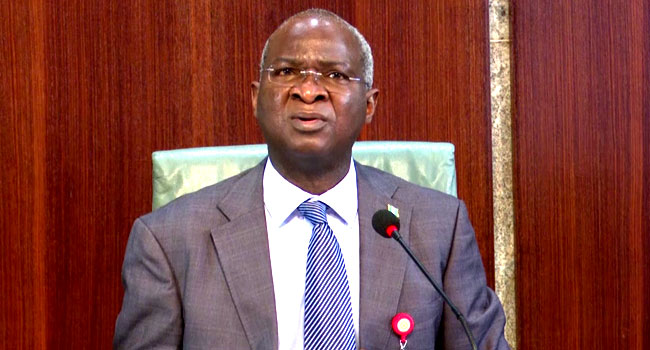
The then state governor Mr. Babatunde Fashola and now the Minister of Works and Housing, while explaining the reason for urgent measure to check the menace of Okada and tricycle in the Lagos Traffic Law 2012, expressed worry that the accident and robbery cases involving Okada in the state was becoming worrisome, adding that report from all the public hospitals in the state shows that the continued operation of the riders was fast wiping Lagosians out gradually and systematically.
According to him, “In the last two months alone, from LASUTH to Ikeja, we had 179 cases of accidents, within October and November alone, out of that 179, 170 of the victims were passengers. At the Toll Gate Emergency centre, we had 41 accidents reported there on Okada, all these reports are just for two months. In the combined reports from 20 government hospitals that we monitored over the last two months in October and November, we had 1039 accident cases on Okada.”
He stressed that the continuous operation of Okada in the state poses a serious threat to the security of lives and properties of Lagosians, adding that okada has equally become tools for perpetrating criminality in the state as most robberies are carried out with it.
Ambode’s effect
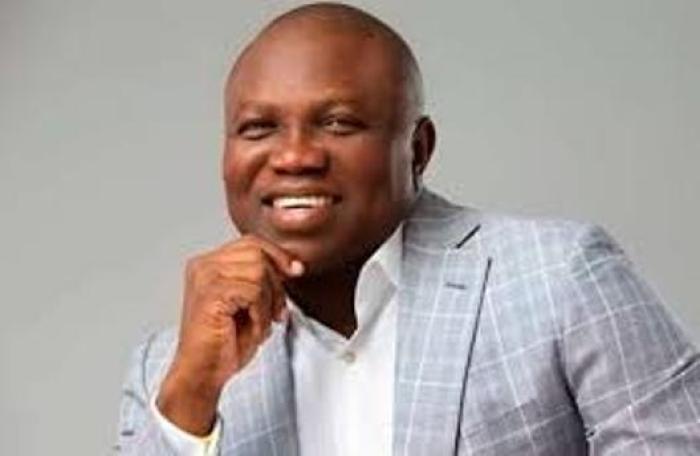
Although the restriction of the okada was not effectively implemented as it was under his predecessor, Mr Fashola, the immediate past administration of Mr Akinwunmi Ambode also made efforts to review the traffic law following criticism of high handedness under Fashola’s administration. Hence, in his bid to operate a government with ‘human face’, Ambode’s administration reviewed the Lagos Traffic Law 2012 enacted by his predecessor and came up with Lagos State Transport Sector Reform Law 2018.
But despite efforts by the state Taskforce on Environment and Special Offence Unit which appeared to be only law enforcement agency enforcing the restriction of commercial motorcyclists in the administration, the law was not effectively implemented.
Sanwo-Olu’s Verdict on Traffic Law
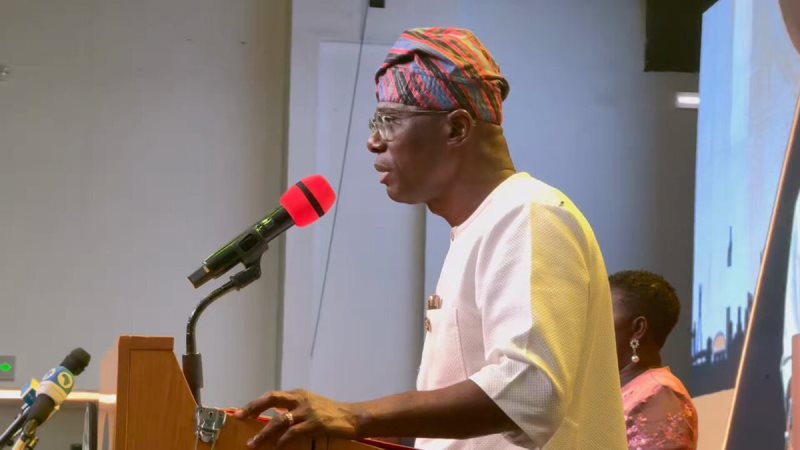
With Governor Babajide Sanw-Olu’s eventual declaration of his administration’s position on continued operation of Okada and tricycles, operators seemed to be in for more troubles. Sanwo-Olu’s declaration on restriction came after months of speculation and planning.
Prior to the enforcement of restriction on February1, 2020, the operators had grown wings such that all the hitherto ‘no go areas’ including the Lagos State Secretariat, Alausa become their operation base. Like the previous administrations, Sanwo-Olu-led government hinged its decision on the scary statistics victims of Okada accidents recorded, saying over 600 lives had been lost in the 10,ooo cases of okada accidents recorded in the hospital and unrecorded cases.
Briefing journalists on the ban, the State Commissioner for Information and Strategy, Mr Gebenga Omotoso said that aside from the accident rate which was responsible for the loss of 600 lives, the rate of crimes aided by motorcycles (Okada) and tricycles (Keke) keeps rising.
He said: “Motorcycles (Okada) and Tricycles (Keke) are also used as getaway means by criminals. Therefore, after consultations with stakeholders, the State Security Council, in compliance with the extant Transport Sector Reform Law 2018, has decided to commence enforcement of the law which bans the operation of Motorcycles (Okada) and Tricycles (Keke) in the 15 LGAs and LCDAs.
The Local Governments (LGs) and Local Council Development Areas (LCDAs) are: Apapa LG and Apapa Iganmu LCDA, Lagos Mainland LG and Yaba LCDA, Surulere LG, Itire-Ikate and Coker-Aguda LCDAs,Ikeja LG, Onigbongbo and Ojodu LCDAs, Eti-Osa LG, Ikoyi-Obalende and Iru/Victoria Island LCDAs,Lagos Island LG and Lagos Island East LCDA.”
Omotoso described the ban as the first stage of the State Government’s plan to sanitize our roads and protect Lagosians from the negative effects of “these illegal modes of transportation.”
The Commissioner listed other major highways prohibited for operation of the motorcycles and tricycles to include: Lagos-Ibadan Expressway, Apapa-Oshodi Expressway, Oworonshoki-Oshodi Expressway, Lagos-Ikorodu Expressway, Lagos-Abeokuta Expressway, Eti-Osa/Lekki-Epe Expressway, Lagos-Badagry Expressway, Funsho Williams Avenue, Agege Motor Road, Eti-Osa Lekki Coastal Road.
He also said that their operation is forbidden on the bridges such as: Iyana- Ipaja Bridge Agege, Dopemu Bridge Agege, Airport/Ikeja Bridge, Agege Motor road/oshodi Loop, Oshodi, Mushin/Isolo Link Bridge, Dorman Long Bridge, Ojuelegba Bridge, National Stadium Flyover, Apapa-Iganmu Bridge, Apapa-Ijora Link Bridge, Liverpool Bridge, Apapa, Mile 2 Bridge-Loop, Amuwo-Odofin, Okota (cele)/Ijesha Link Bridge, Apakun/Apapa-Oshodi Bridge Network, Ikorodu Road/Anthony Clover leaf Bridge, Trade Fair Flyover Bridge, Festac/Amuwo-Odofin Link Bridge, 2 Flyover Bridges along Alhaji Masha Road, Ojota Clover leaf Bridge, Ogudu Bridge, 3rd Mainland Bridge,Maryland flyover, Ikeja General Hospital Flyover Bridge, Kodesho Bridge, Oba Akran, Ikeja.
Other bridges are : Opebi Link Bridge, Sheraton-Opebi Bridge, Jibowu/Yaba flyover Bridge, Carter Bridge, Lagos, Bariga-Ifako Bridge, Apapa-Oshodi Expressway/Alapere Bridge, Bariga/Oworonsoki Bridge, Apapa-Oshodi Expressway/Gbagada U-Turn,Apapa-Oshodi Expressway, 3rd Mainland/Oworonsoki Bridge, Eko Bridge,Apongbon flyover Bridge,Cowry Bridge (Officers Mess), Mcwen Bridge (Bonny Camp),Marina/Ikoyi Bridge,Ikoyi/Obalende Bridge.
Beyond the Excuses of recklessness
New Telegraph’s investigation revealed that beyond the reasons of recklessness and indiscipline on the part of the motorcycle and tricycle operators, the Lagos State government was also concerned about the security implications of their continued operation by operators whose identity couldn’t be ascertained by the government.
A senior security expert in the government, who pleaded anonymity, said that the rate of influx of foreigners into the state is alarming. According to him, hundreds of people move into Lagos from up north in droves and in search of greener pastures and the only job they want to do is to become okada riders.
“There is problem of invasion from foreigners who claimed to be from the northern part of the country. Due to the insurgency in some part of the north many people whose identify and nationality couldn’t be ascertained are now entering Lagos. We have been surrounded except we take drastic measures to check Okada menace beef up the security intelligence; Lagos might cease to be peaceful, if care is not taken.”
Why Controversy over Traffic Law linger
A number of factors is said to be responsible for the reactions and controversies generated whenever the government plans to enforce the traffic law. Experts blamed the debates on inconsistency, sentiment, politics and absence of political will, poor enforcement, and compromise as major factors.
Inconsistency
While blaming state government for the negative reactions and criticisms generated by the restrictions of the okada and Keke in some parts of Lagos, Mr Olalere Ayanniyi, a lawyer said successive governments in the state failed to uphold the sanctity of the law by allowing the law to order to take charge.
He wondered why Lagosians could still be complaining over the ban since the law has been made since 2012. “If Akinwunmi Ambode had been so strict with the enforcement of the law like his predecessor, Fashola, many residents could have gotten used to the ban. But what you see was politics being played out with the enforcement. A law is a law and should be binding on everyone with fear or favour at all time but the last administration was more lenient and that was why it became a difficult decision for this administration to make. Whenever you suspended a law for a period of time, that is what you will experience,” he said.
Corroborating Olanniyi, Akpan James, a public analyst, blamed the restriction lamentation on politicians and government, accusing them of relaxing the law enforcement during campaigns and electioneering process to curry favour and support from the public, especially the okada riders and tricycle operators.
“In a developed country, once a law is made, you don’t compromise on the enforcement irrespective of the political situation but here in Nigeria, you will see politicians buying helmet, motorcycles and tricycles for people as part of their empowerment program. So, the lack of political will for the enforcement also contributed to the noise over the implementation.” According to James, lamentations and sentiments on Okada and tricycles will end when Nigerians stop politicising enforcement of the law.
Selective Enforcement
Whether in the Lagos Traffic Law 2012 enacted by Fashola or the Transport Sector Reform Law 2018 made by Ambode’ administration, the facts remain that many provisions of the law which were geared towards ensuring, safety, security and sanity on the roads are still largely ignored or unenforced at all. For instance, the laws forbid sales of drugs, alcoholic and other drinks at the motor parks. The reverse is the case as all manners of dangerous drugs and alcoholic drinks are sold right inside the motor parks across Lagos today.
Transport Reform Sector Law 2018 also stipulates that” A person shall not drive a commercial vehicle without obtaining a driver’s or rider’s badge from the Ministry of Transportation. Another section of the law also mandated conductors to also used badge for proper identification to ensure the safety and security of the commuters but this section, again, was never implemented by successive administrations.
The law also prohibits conductors or drivers from making noise to attract passengers when it says: ” The driver, owner or conductor of a hackney or stage carriage standing or plying for hire ( a) Shall not speak, make noise or sound any instrument in order to attract the attention of the public or of a possible passenger; or act in any way so as to make himself objectionable or a nuisance to any person or so as to cause any annoyance or inconvenience to any person.”
The above are normal practices in Lagos roads and motor parks. The law which prohibits operation of commercial motorcycle and tricycles also forbid the practices but for selective enforcement, Lagos roads and bus stops are noise pollution headquarters today.
Absence Holistic Transportation System/ Groaning Commuters
Also said to be the major reason why Lagos commuters groan whenever the government takes step to enforce the traffic laws. According to Taiwo Olawale, a transport logistic, inability of the state government to provide alternative to tricycles and motorcycles will continue to pose problem for committers.
He said people would be subjected to untold hardship if there are no vehicles available to convey them to their destinations, saying certain areas in Lagos are only plied by motorcycles and tricycles. “The state government need to be more considerate in some areas such as Allen Avenue to Ogba; First Gate, Agidingbi to Agege and so many areas plied only by tricycles and motorcycles. The ban is seriously affecting commuters.
He added: “Before, whenever I’m going to Ikeja, I usually avoided going through First Gate-Agidingbi. Tricycle will take you through Acme road Adeniyi Jones but that’s no more. Now I have to stand at First Gate Bus-stop for over 30 minutes or more and struggle to board a bus. Now the gridlock from Agidingbi to LTV, testing ground down to Allen is killing. This is because people couldn’t go through Adeniyi Jones again because of absence of Okada and Keke. Everybody had to come to First Gate.”
But the General Manager, Lagos State Traffic Management Authority, LASTMA,Olajide Oduyoye, said that in spite of the lamentation, the government would go ahead on the ban for the safety of the lives of residents. He explained that the law was made to ensure sanity, safety and orderliness on the road, adding that several residents had been killed and maimed through the use of Okada as a means of transportation. He said that the government would not back down on the law for any reason but ensures the right thing is done as far as enforcement is concerned.
“It is for the good of the people why will the government review the law? Why won’t the government continue on enforcement? The truth is that we can’t continue with okada as a means of transportation looking at the security challenges and risks involved.
Oduyoye, however, said that with the ongoing restrictions it was advisable for commuters to plan their day journey and movement very well, saying that people don’t have to depend on okada for movement. He added that people should leave for their destinations earlier and should hold their program at places with less traffic congestion.
He also advised the employers of labour to be considerate with their employees in view of the transportation challenges in the state. “They need to understand the situation on the road, they must be lenient with their employees especially during this period,” he said.
Sanwo-Olu to inject 500 buses as Palliative Strategy
To cushion the effect of restriction order on Okada and Keke ban, Governor Sanwo-Olu said that his administration will inject more than 500 buses into the state bus transport system to ease transportation problems, adding that before the end of the year the ferry boats would be increased to 30.
The governor, who disclosed this while launching 14 high capacity passenger boats belonging to the Lagos State Ferry Service, said the launch was in fulfilment of his administration’s promise to provide an effective and integrated inter modal transportation system.
Earlier, Sanwo-Olu had directed the management of Lagos Bus Services Limited to deploy a fleet of 65 buses along major routes from Monday, February 3, 2020, to provide succour and ameliorate the hardship commuters might face as a result of the restriction order on the operators of motorcycles and tricycles in some parts of the state.
New Telegraph gathered that the new routes where the LBSL extended its services and the specified transport fares are:
1. Ikeja – Ogba: N100
2. Berger – Ogba: N100
3. Ikeja – CMS: N200
4. Oshodi – Ajah: N500
5. Obalende – Ajah: N250
6. CMS – Ajah: N250
7. Inner Marina – Ajah: N250
According to the MD/CEO LBSL, Mr. Idowu Oguntona, extending the services of the company to these locations will help reduce the vacuum created by the restriction order of Lagos State Government on Okada and Keke operators in some areas.
While maintaining that commuters will enjoy the pleasure and comfort of riding in the new buses along these routes, Oguntona disclosed that more buses will be deployed by the company in no distant time.
Our Demand by Gokada, Max and 1st Ride operators
For the operators of the branded commercial motorcycles popular known as “O Pay”, “O Ride”, Gokada” “MaxOkaka “, regulation of their operation would be better than outright ban. They said that the restriction shouldn’t have affected them since their operation was designed after the Lagos Traffic Law.
According the operators, their motorcycles are of 200CC capacity as stipulated in the traffic law and that they use crash helmet and don’t carry more than a passenger at a time.
The groups of operators which staged a peaceful protest to Lagos State House of Assembly and Governor’s Office, also called on the government to further regulate their operation but not outright ban restrictions.
Speaking on behalf of the operators, Mr Olaniyan Pedro, who represented MaxOkada brand of the motorcycle operators, said that their members were law abiding, ready to comply with other regulation as might be required of them, saying that outright ban of their operation would render them jobless. He appealed to Governor Babajide Sanwo-Olu to reconsider them for regulation instead of ban.
He said that the operators were aware of government’s concern about security and lives of people, as well as influx of some people from certain region of the country. He said that MaxOkada operates a technology that that exposes and punish anyone who flouts the law.
Also speaking, another operator, who identified himself as Mr Steve Orajiaku of 1st Ride Company said that the okada riders operation play a crucial role in the transportation sector of the state. He appealed to the government to rescind its decision on the ban.
Waiting for Permanent solution
As Governor Sanwo-Olu insisted on the restriction, saying his plan was not to inflict pains on residents but to take step that will guarantee their security and safety for which he was elected; commuters and indeed Lagosians are divided over what should be done to cushion the effect of the restriction on the growing population with limited transportation facilities. While some want the government to be consistent, firm and extend the enforcement of the law to other areas as stated in the law, others are calling for a workable plans to cushion the effect in the areas where only hitherto motorcycles of tricycles operated so as to reduce the increasing number of trekking commuters.
Comments