


Nigeria’s Crypto Future: Oke Advocates Responsible Innovation and Policy Reform

 Quick Read
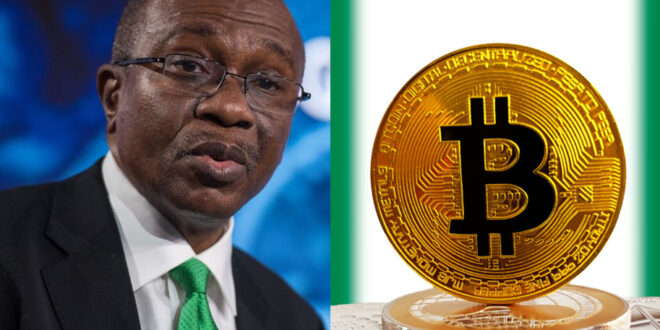
Nigeria, once celebrated as Africa’s cryptocurrency trailblazer, now stands at a crucial crossroads. On February 5, 2021, the Central Bank of Nigeria (CBN) banned cryptocurrency transactions, effectively closing official channels for digital asset trading.
By Taiwo Okanlawon
Nigeria, once celebrated as Africa’s cryptocurrency trailblazer, now stands at a crucial crossroads. On February 5, 2021, the Central Bank of Nigeria (CBN) banned cryptocurrency transactions, effectively closing official channels for digital asset trading. Intended to protect the financial system, the move instead slowed the growth of a sector that had positioned Nigeria as a continental leader in crypto adoption.
Despite the ban, Nigerians quickly turned to peer-to-peer (P2P) markets, continuing to trade digital currencies beyond the reach of formal regulations, often at higher premiums. This shift revealed the resilience and ingenuity of Nigerian traders and highlighted opportunities to refine the country’s approach to emerging financial technologies.
Amid this evolving landscape, fintech leader Bidemi Oke has emerged as a thoughtful voice advocating for a balanced path forward. As the founder of Flashchange, a secure platform for trading gift cards and cryptocurrencies, Bidemi is not only an entrepreneur but also an advocate for financial inclusion, innovation, and social development.
In a recent interview, Bidemi acknowledged the CBN’s commitment to protecting the economy and safeguarding consumers. However, he suggested that a more inclusive and adaptive regulatory framework could better position Nigeria to harness the full potential of blockchain technology. He believes blockchain can enhance transparency, efficiency, and inclusivity in key sectors such as trade, logistics, and real estate.
Bidemi also highlighted that the benefits of cryptocurrency extend beyond speculation. They include expanding financial access, improving remittance systems, and creating new employment opportunities for Nigeria’s growing youth population. “The demand for digital assets in Nigeria remains high, even with regulatory restrictions,” he noted. “This indicates a need for policies that protect consumers while also supporting innovation and growth.”
Drawing lessons from El Salvador’s adoption of Bitcoin as legal tender, Bidemi underscored how well-designed policy can drive financial inclusion. In El Salvador, over 46 percent of the population has gained access to banking services through the government’s Chivo wallet, with daily remittance volumes exceeding one million dollars. For Nigeria, this example highlights the importance of combining clear regulation, robust infrastructure, and public education.
Rather than opposing the CBN’s efforts, Bidemi’s perspective offers constructive recommendations. He encourages policymakers to consider a regulatory approach that balances consumer safety with the economic opportunities presented by digital assets. By doing so, Nigeria can unlock new avenues for economic diversification and strengthen its leadership in Africa’s digital economy.
“Blockchain and cryptocurrencies are not trends that will fade away,” he said. “They represent the foundation of future financial systems. Nigeria has the opportunity to lead by adopting policies that encourage responsible innovation and inclusive growth.”
As Nigeria shapes its digital future, voices like Bidemi Oke’s provide valuable guidance. Through thoughtful regulation and forward-looking policy, Nigeria can leverage blockchain and cryptocurrency to drive economic progress, deepen financial inclusion, and empower its youth and entrepreneurs to thrive in the global digital economy.
Comments