


Review: Orange… Inside Retroboom’s Colourful Lo-fi Bloom

 Quick Read
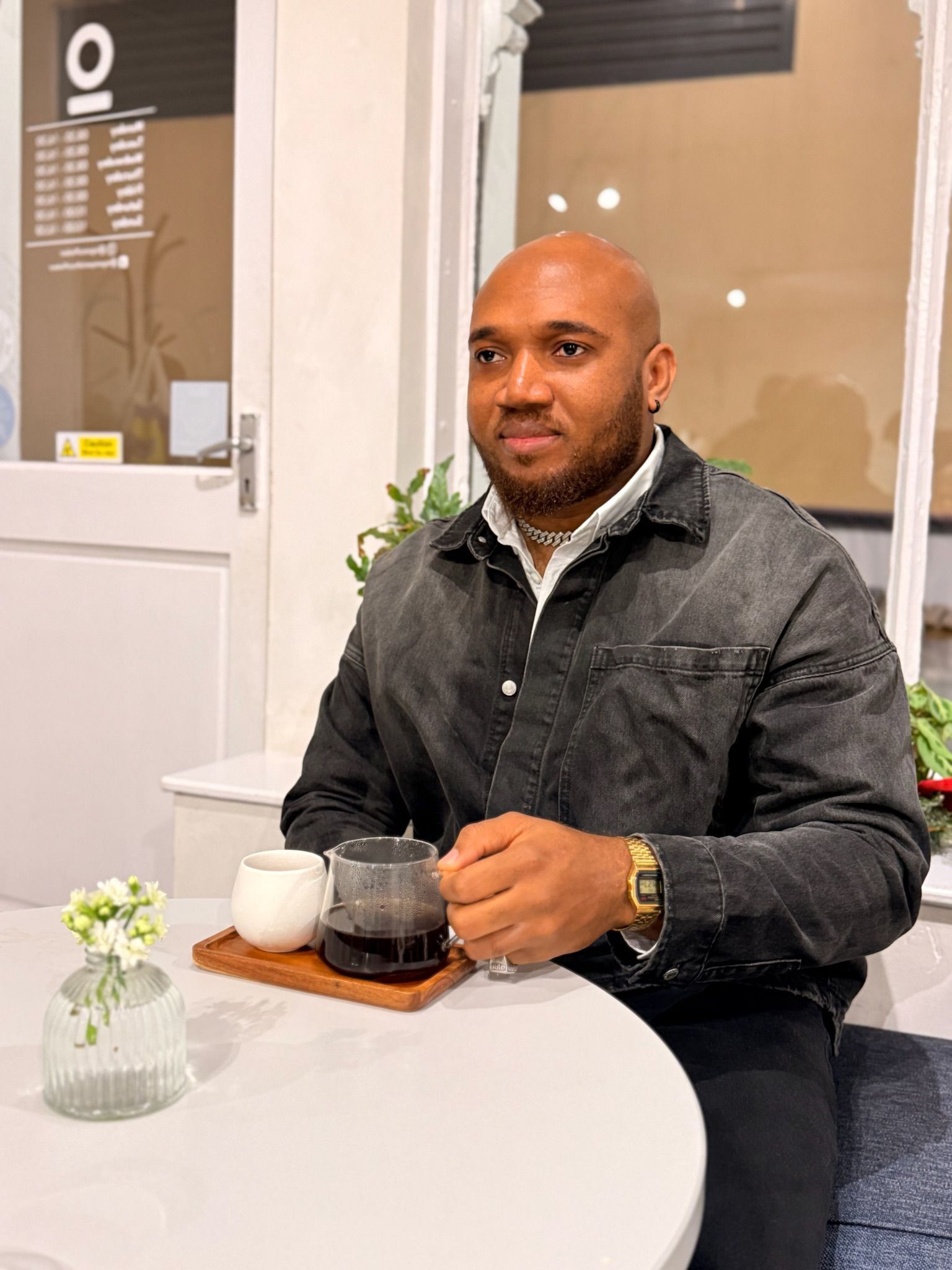
When Chibueze Okoro, professionally known as Retroboom Beats, released his four-track extended play Orange, I instinctively imagined a project that would feel warm, euphoric, and sweet.
Chinonso Ihekire
When Chibueze Okoro, professionally known as Retroboom Beats, released his four-track extended play Orange, I instinctively imagined a project that would feel warm, euphoric, and sweet. The title alone seemed to suggest as much. Still, it is not always easy to predict what could inspire a producer to name a soundscape after a tropical fruit. The answer, in this case, lies in the fusion of lo-fi chords and Amapiano rhythms.
The EP opens with Bleus, a track that immediately offers a comforting embrace through ambient piano chords, pop-leaning drum kicks, and the indefatigable rush of log drums. The hook is subtly woven into the percussion, layered with soothing lo-fi chord progressions capable of calming even the busiest mind. Its low tempo and measured cadence set the tone for the rest of the project, positioning catharsis, tonal balance, and replay value as its guiding principles.
The second track, Focus, glides in on soulful, private-school Amapiano percussion that feels like the build-up to something larger. Raspy piano chords dominate the arrangement, exploring trills and consonance to sustain the relaxed mood established earlier. While the track may leave listeners craving a dramatic shock, its outro compensates with a brilliant finish that gives the piano its most profound moment on the EP. With vocals, Focus could easily pass for a BOJ or Fireboy classic, signalling a shift in “pop piano” where ambient chords and piano-led moods reign supreme.
Segueing into a strong mid-section, the third track, Flash, expands Retroboom Beats’ chord-driven formula. Here, he experiments with tropical guitar riffs reminiscent of African jazz-soul and Caribbean funk traditions. The drums hit harder and carry more weight, while Amapiano’s signature crank motif elevates the track into a vibrant, dance-friendly groove.
On the closing track, Strange, Retroboom fully embraces his lo-fi ambitions. The song explores a tonal structure that sandwiches melancholic ambient melodies into every layer of the record. Slower, reflective, and groovy, it feels perfectly suited for lounge settings or chill-pop fusion playlists. Collectively, Orange presents itself as a conceptual offering—one designed to nourish the idea of sonic fusion, with Amapiano serving as its foundation. It marks a clear departure from the club-centric Amapiano tracks currently dominating Afrobeats rotations.
In this sense, the EP arrives as a subtle call for Afrobeats producers to popularise soulful piano music, not just as a cultural staple but as a progressive approach to dance music. With BPMs typically ranging between 110 and 150, Afrobeats has often been consumed as an urgent main course. Orange reframes that urgency, diluting it with soulfulness and situating South African percussion within a broader, more inclusive lo-fi chamber.
The result is a pleasurable listen best enjoyed during quiet moments or intimate gatherings. Smooth transitions ensure cohesiveness, while the project’s sonic continuity keeps it spinning with impressive replay value. Overall, Orange serves as a gentle introduction to Retroboom Beats’ creative soundscape, signalling his potential as one of the sonic innovators to watch in the coming years.
While its melancholic undertones may limit its mass appeal, house-music lovers will easily find comfort in the mushy warmth of the tracklist. Flash stands out as the EP’s strongest moment, offering the richest blend of percussion and piano.
With originality, sonic cohesion, composition, tonal balance, and catharsis as its defining strengths, Orange emerges as a brilliant debut and a forward-thinking sonic capsule. It comes highly recommended for music lovers looking to expand their listening palette and comfortably earns a 7/10.
Comments