


Why most tech products fail: The hidden UX pitfalls startups ignore

 Quick Read
Launching a successful tech product requires more than just innovation and funding, it demands exceptional user experience (UX). Yet, despite the best intentions, 90% of startups fail, with a significant portion of failures tied to poor UX.
By Olawale Bamidele
Introduction
Launching a successful tech product requires more than just innovation and funding, it demands exceptional user experience (UX). Yet, despite the best intentions, 90% of startups fail, with a significant portion of failures tied to poor UX.
A 2022 CB Insights report found that 42% of startups fail due to a lack of market need, while 17% fail due to poor UX and usability issues.
Many startups focus heavily on features and technical capabilities but overlook the hidden UX pitfalls that can determine a product’s success or failure. This article explores these often-ignored UX challenges and how startups can overcome them.
1. Ignoring User Research and Validation
One of the most common UX mistakes is building a product based on assumptions rather than real user needs. Founders often believe they understand their target audience but fail to validate their ideas with actual users.
Why This Matters
- A 2022 Nielsen Norman Group study found that products developed without proper user research had 35% lower adoption rates.
- Poor UX research leads to features that users don’t need or understand, increasing churn rates.
- The Top UX Mistakes Report 2022 states that 60% of users abandon products due to poor usability testing before launch.
Solution
- Conduct early-stage user research through surveys, interviews, and focus groups.
- Use prototyping and usability testing before full-scale development.
- Gather continuous user feedback to refine the product-market fit.
2. Overloading Features (Feature Creep)
Startups often fall into the trap of adding too many features, believing it will increase user engagement. Instead, this can overwhelm users and complicate the core experience.
Why This Matters
- A 2022 Pendo Report found that 80% of SaaS product features are rarely or never used.
- Complex interfaces lead to higher abandonment rates and lower customer satisfaction.
- Studies from Forrester (2022) indicate that products with simplified feature sets saw a 20% increase in user retention compared to feature-heavy alternatives.
Solution
- Prioritize essential features that solve a specific user problem.
- Apply the Pareto Principle (80/20 rule): 80% of the value comes from 20% of the features.
- Use data analytics to identify underutilized features and streamline the product.
- Poor Onboarding Experience
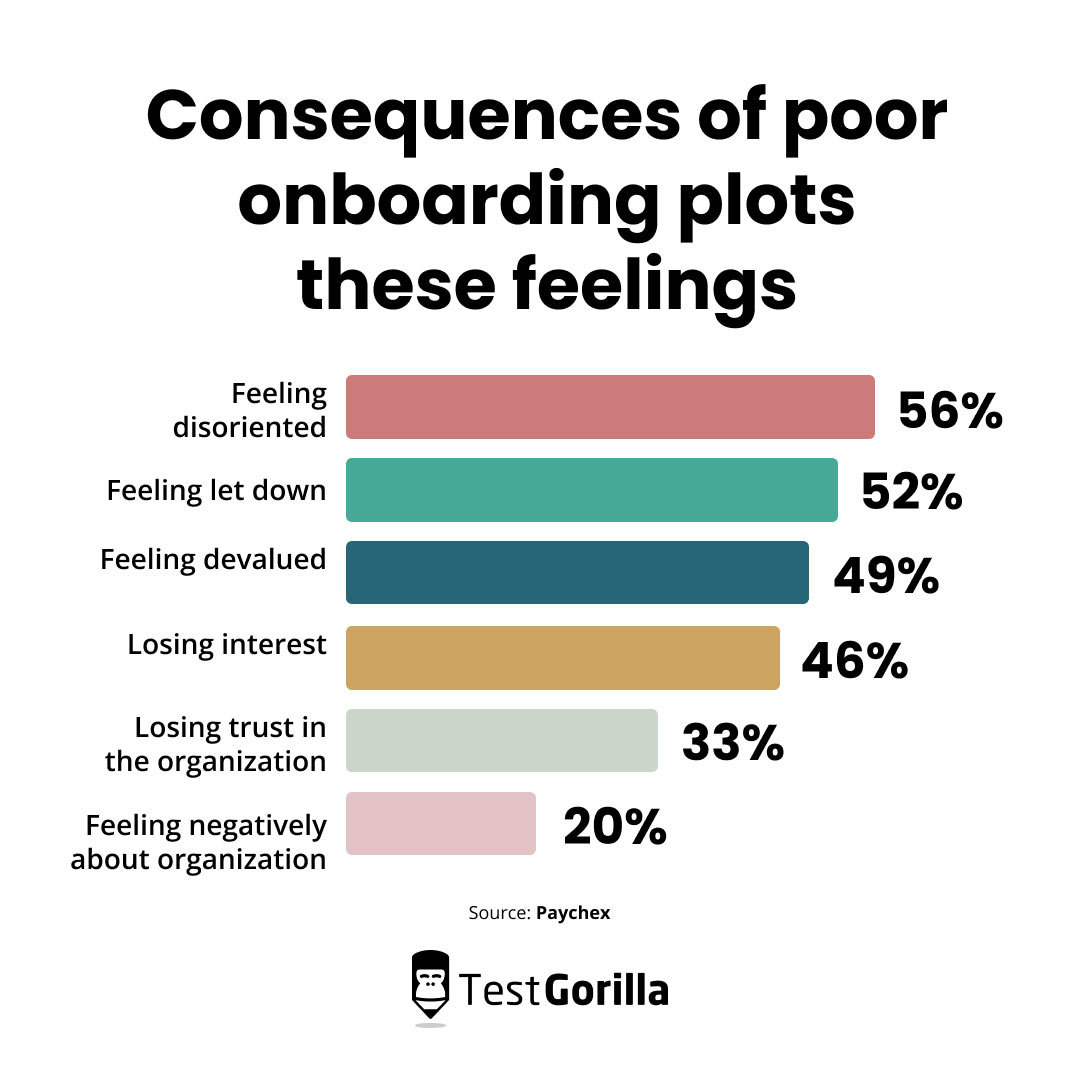
A seamless onboarding experience is critical to user retention. If users struggle to understand how to use a product within the first few minutes, they are likely to abandon it.
Why This Matters
- 57% of users will leave an app within 90 seconds if they find it confusing (2022 App UX Report).
- Companies with well-optimized onboarding see a 50% increase in user retention.
- HubSpot’s 2022 State of UX Study found that a well-structured onboarding flow increases user engagement by 70%.
Solution
- Implement interactive walkthroughs rather than static tutorials.
- Personalize the onboarding experience based on user needs and behaviors.
- Reduce cognitive load by providing progress indicators and tooltips.
4. Lack of Accessibility Considerations
Many startups ignore accessibility, alienating a large user base. A 2022 WebAIM report found that 97% of the top 1 million websites had accessibility failures.
Why This Matters
- Over 1 billion people worldwide have some form of disability.
- Companies that prioritize accessibility see higher engagement and SEO rankings.
- A 2022 study by the Interaction Design Foundation showed that accessible designs improve usability for all users, not just those with disabilities.
Solution
- Follow WCAG(Web Content Accessibility Guidelines) for design and development.
- Conduct screen reader testing and ensure proper color contrast.
- Provide keyboard navigation and alternative text for images.
5. Ineffective Navigation and Information Architecture
If users cannot find what they need quickly, they will leave. Poor navigation is one of the biggest UX failures in tech products.
Why This Matters
- 38% of users abandon websites if the layout is confusing (2022 UX Benchmark Report).
- Poor site structure results in higher bounce rates and lower engagement.
- A 2022 Baymard Institute study found that optimizing navigation increased conversions by 24%.
Solution
- Follow card-sorting techniques to create logical navigation structures.
- Use clear labels and ensure consistent navigation patterns.
- Optimize search functionality for better content discovery.
6. Failing to Optimize for Mobile UX
With mobile usage dominating digital interactions, a product that isn’t optimized for mobile will struggle to retain users.
Why This Matters
- Mobile accounts for 54.8% of global website traffic (Statista, 2022).
- 53% of users abandon sites that take more than 3 seconds to load.
- A 2022 Google UX study found that companies investing in mobile UX saw a 30% revenue increase.
Solution
- Implement responsive design that adapts to different screen sizes.
- Optimize touch interactions and ensure tap-friendly UI elements.
- Reduce load times by using lightweight assets and optimized code.
7. Ignoring Emotional Design and User Psychology
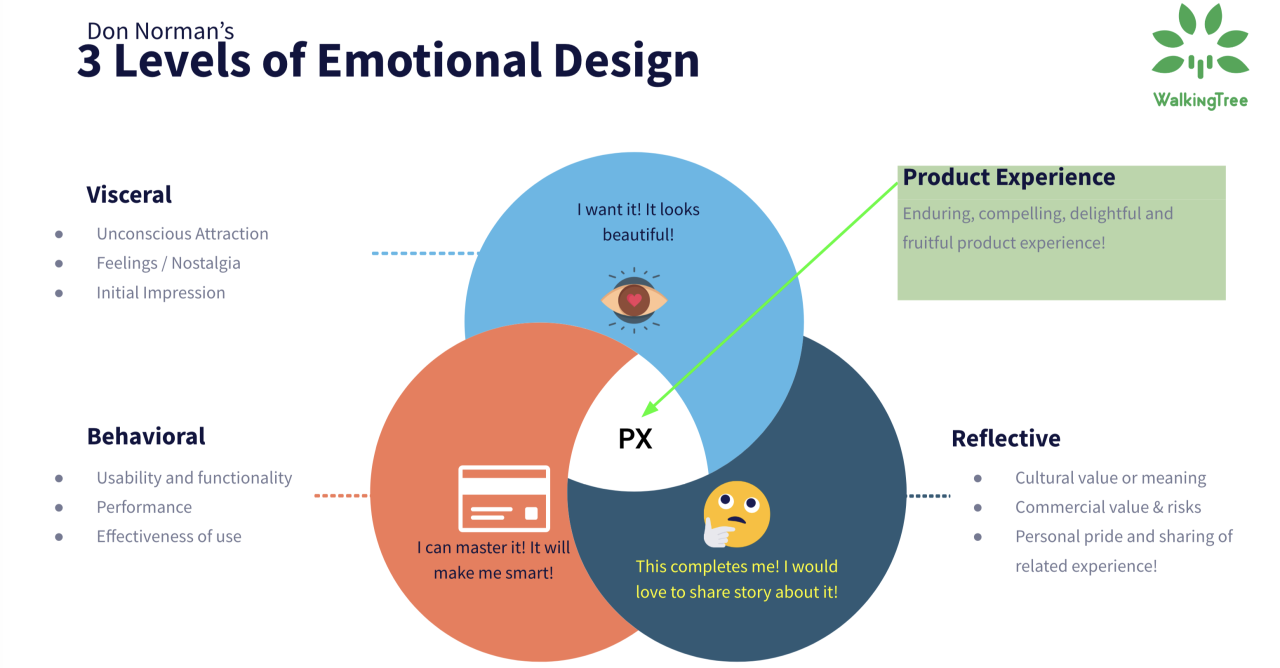
Beyond usability, products must evoke positive emotions and create meaningful experiences for users.
Why This Matters
- Products with strong emotional design see higher engagement and brand loyalty.
- Users are 3x more likely to recommend a product they emotionally connect with.
- A 2022 Behavioral Design Study found that products incorporating user psychology saw a 22% increase in customer retention.
Solution
- Use microinteractions to enhance user delight.
- Implement empathetic copywriting and engaging animations.
- Apply color psychology and visual hierarchy to guide user behavior.
Conclusion
Startups that ignore UX pitfalls often struggle with low adoption, high churn rates, and ultimately failure. By prioritizing user research, streamlined design, accessibility, and emotional engagement, startups can create tech products that succeed in competitive markets.
Instead of focusing solely on features, startups should invest in UX as a core business strategy to ensure long-term growth and sustainability. Those that do will have a competitive edge in delivering products that users love and keep coming back to.
Comments