


Elon Musk, Twitter reach buyout deal: WSJ, Bloomberg

 Quick Read
The Tesla CEO had offered more than $46 billion to buy the platform and pledged to be more lenient when it comes to policing users’ speech.
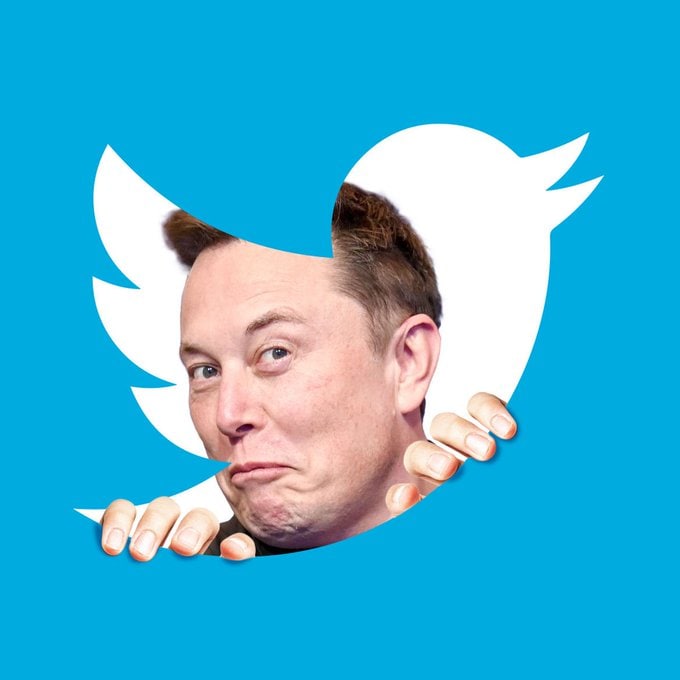
Elon Musk and Twitter have reached a buyout deal, reports quoting the World Street Journal and Bloomberg said.
An announcement is expected soon as Shares of Twitter Inc. rose 5% Monday to $51.50 per share.
Earlier reports said the parties were locked in late-stage negotiations, from Sunday till Monday morning.
The Tesla CEO had offered more than $46 billion to buy the platform and pledged to be more lenient when it comes to policing users’ speech.
The talks came less than two weeks after the billionaire first revealed a 9 percent stake in the platform that he uses to promote his interests, attack critics and opine on social and economic issues to his more than 83 million followers.
Musk said last week that he had lined up $46.5 billion in financing to buy Twitter, putting pressure on the company’s board to negotiate a deal.
Musk hasn’t commented on the negotiations but on Monday waded into the buzz about them on Twitter, where some users are promising to quit the platform if he takes over.
“I hope that even my worst critics remain on Twitter, because that is what free speech means,” he tweeted.
Musk has described himself as a “free-speech absolutist” but is also known for blocking or disparaging other Twitter users who question or disagree with him.
In recent weeks, he has voiced a number of proposed changes for the company, from relaxing its content restrictions — such as the rules that suspended former President Donald Trump’s account — to ridding the platform of fake and automated accounts, and shifting away from its advertising-based revenue model.
Twitter’s board has flexibility in judging Musk’s proposal not just on the finances but also the specifics of his business plan and how it could affect users, advertisers and employees — some of whom might leave, said Kevin Kaiser, a finance professor at the Wharton School at the University of Pennsylvania.
The New York Times, citing people with knowledge of the situation who it did not identify, said the two sides were discussing details including a timeline and fees if an agreement was signed and then fell apart. The people said the situation was fluid and fast-moving.
While Twitter’s user base of more than 200 million remains much smaller than those of rivals such as Facebook and TikTok, the service is popular with celebrities, world leaders, journalists and intellectuals.
Musk himself is a prolific tweeter with a following that rivals several pop stars in the ranks of the most popular accounts.
Last week, he said in documents filed with U.S. securities regulators that the money would come from Morgan Stanley and other banks, some of it secured by his huge stake in Tesla.
Musk is the world’s wealthiest person, according to Forbes, with a nearly $279 billion fortune.
But much of his money is tied up in Tesla stock — he owns about 17% of the electric car company, according to FactSet, which is valued at more than $1 trillion — and SpaceX, his privately held space company. It’s unclear how much cash Musk has.
Musk began making his fortune in 1999 when he sold Zip2, an online mapping and business directory, to Compaq for $307 million.
He used his share to create what would become PayPal, an internet service that bypassed banks and allowed consumers to pay businesses directly. It was sold to eBay for $1.5 billion in 2002.
That same year, Musk founded Space Exploration Technologies, or SpaceX, after finding that cost constraints were limiting NASA’s interplanetary travel.
The company eventually developed cost-effective reusable rockets.
In 2004, Musk was courted to invest in Tesla, then a startup trying to build an electric car.
Eventually he became CEO and led the company to astronomical success as the world’s most valuable automaker and largest seller of electric vehicles.
Comments