


Atlassian Conference assembles top professionals driving tech skills advancement in Nigeria

 Quick Read
Atlassian, the global software company headquartered in Australia and known for tools such as Jira, Trello, and Confluence, has long supported local tech communities through its worldwide network of user groups and community chapters.
Michael Adesina
Atlassian, the global software company headquartered in Australia and known for tools such as Jira, Trello, and Confluence, has long supported local tech communities through its worldwide network of user groups and community chapters. Its Ilorin Community Chapter, the only Atlassian chapter in Nigeria, has become an active hub where thousands of professionals, students, and enthusiasts meet to exchange knowledge, collaborate, and help reduce the growing tech skills gap in the country.
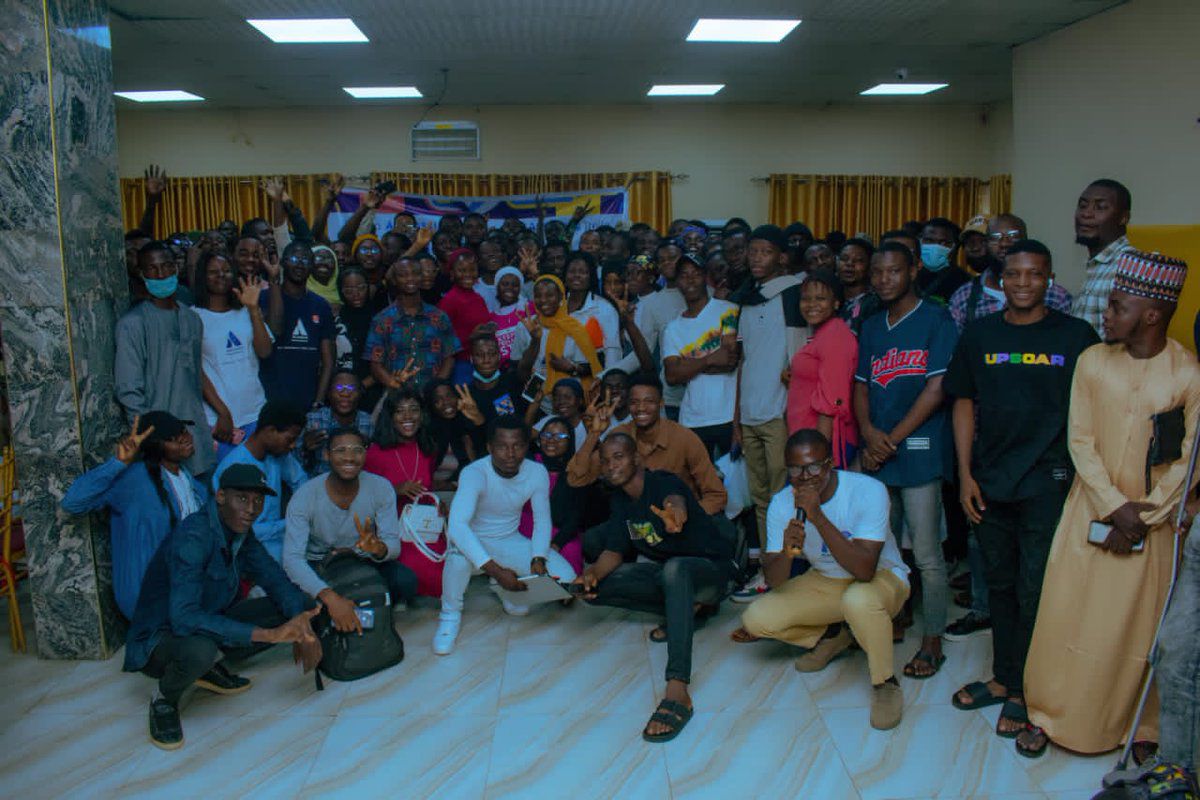
On Saturday, May 28, 2022, the Ilorin chapter hosted its latest Atlassian Community Conference, drawing a diverse audience of thousands of tech professionals, early-career technologists, mid-level practitioners, and young innovators. The event focused on practical learning around product development, teamwork, and building meaningful career pathways within Nigeria’s evolving technology landscape.
A Gathering of Top Professionals Driving Skills Development
The conference assembled top professionals from across Nigeria’s technology ecosystem, invited to share insights on the shifting landscape of product management, cybersecurity, engineering practice, teamwork, and talent development. These practitioners have contributed to strengthening Nigeria’s tech talent pipeline through their work in product strategy, security, software development, community leadership, and mentorship.
The first session featured Ayodeji Ajuwon, a Head of Product at OurPass known for his grounded approach to product leadership. He discussed his pathway into product management, contributed insights on decision-making in growing teams, and highlighted how product roles are changing as Nigerian companies adopt more complex technologies.
A panel session of leading professionals followed with Rianat Abbas, Patrick Chukwu, and Abdulazeez Adeyiga, offering perspectives shaped by their daily work in product strategy, secure product development, engineering, and workforce enablement. The panel explored themes such as building resilient teams, adapting to evolving industry expectations, strengthening foundational skills, and leveraging communities to support professional growth.
During the session, Rianat Abbas, a Product Analyst and Security Specialist, contributed insights informed by her global mentorship experience and her work in closing the tech talent gap through structured learning pathways and product-thinking fundamentals. Drawing from her background in secure-by-design product development across international teams, she outlined practical methodologies for building career resilience, identifying individual strengths, and developing both technical and non-technical skills needed in modern product environments. She also highlighted the importance of industry-recognized certifications such as CompTIA Security+ as a pathway for Nigerian professionals seeking to strengthen their credibility and align more closely with global standards. Attendees noted that her guidance was practical, and grounded in the realities of today’s tech workplaces.
Building on this, Patrick Chukwu, a software engineer, contributed insights on the discipline and technical depth required for long-term growth in engineering roles. He emphasized the importance of reinforcing core fundamentals, noting that many early-career challenges stem from overlooking essential concepts that later form the backbone of complex work. Patrick highlighted the value of consistency, encouraging professionals to engage in small, repetitive practice, build independent projects, and prioritize problem-solving as a daily habit. He noted that real progress in engineering comes from mastery over time rather than speed, and his guidance offered attendees a clear perspective on how foundational rigor supports sustainable career development.
Abdulazeez Adeyiga added perspective from the talent development and community engagement angle of the ecosystem. He contributed insights into the uncertainties newcomers often face, including choosing credible learning paths, managing self-doubt, and distinguishing valuable resources from noise. He highlighted the importance of using community platforms, mentorship networks, and peer collaboration to stay engaged and visible within the industry. Abdulazeez noted that many opportunities in tech emerge through consistent participation rather than isolated learning, underscoring that career growth relies not only on technical skill but also on building supportive professional relationships and maintaining a strong presence within active communities.
Collectively, the panelists emphasized that while Nigeria’s technology landscape is expanding rapidly, the talent gap remains a persistent challenge. Events such as the Atlassian Ilorin Conference help address this gap by making expert knowledge accessible and creating spaces where people can ask questions, exchange experiences, and learn from real-world practitioners rather than abstract theory.
Beyond the scheduled sessions, the conference created opportunities for collaborators, many of whom had only met virtually to connect in person. This emphasis on human connection reinforced how community spaces remain essential to growth in emerging tech cities like Ilorin.
The organizers, Hakeem Olasupo and Oluwatobi Fabusuyi, were recognized for maintaining the chapter’s momentum and creating an environment where learning feels approachable and inclusive. Their efforts have supported a steady rise in participation and helped position the Ilorin chapter as a meaningful contributor to the broader Nigerian tech community.
The Ilorin tech ecosystem continues to grow, and with consistent collaboration and support from local professionals, it is gradually building a more confident and better-equipped talent pipeline.
Comments