



How His Royal highness Eze Akube I Is Rewriting The Community Development Playbook In Obi-Ozimini

 Quick Read
While their responsibilities have evolved over time, many traditional rulers now find themselves balancing cultural heritage with the realities of a rapidly changing society.
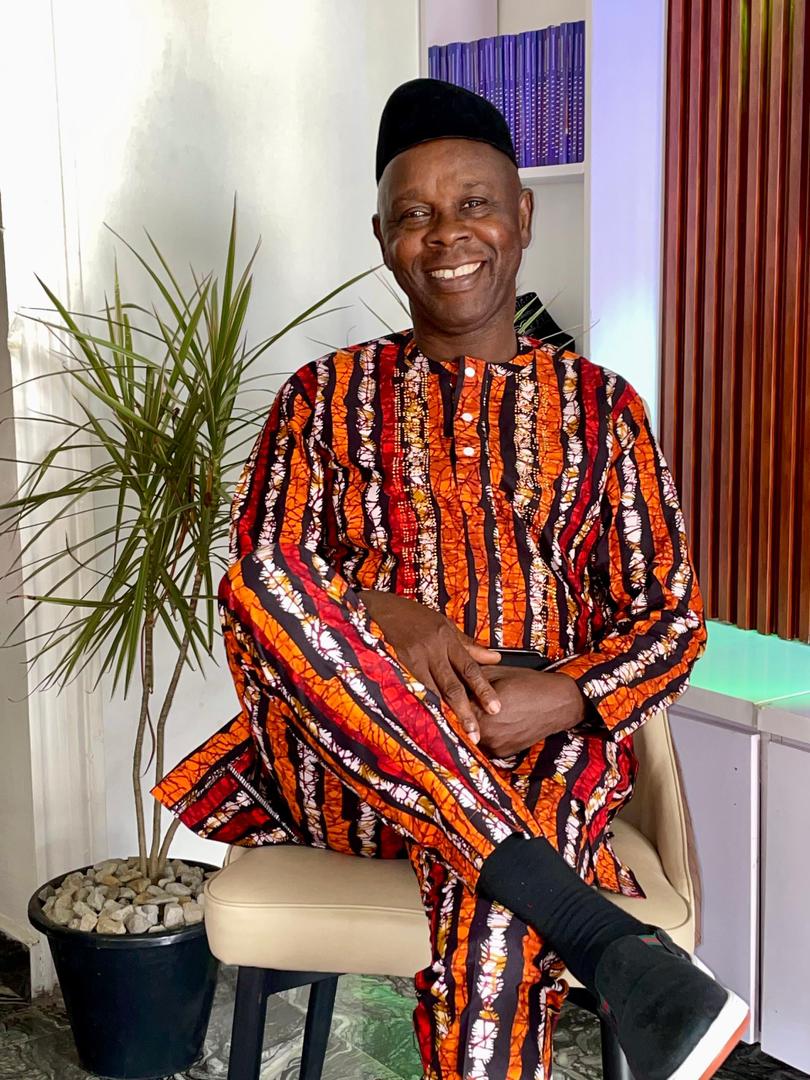
Across many communities in Nigeria, traditional institutions continue to play an important role in preserving culture, strengthening social cohesion, and supporting local development. While their responsibilities have evolved over time, many traditional rulers now find themselves balancing cultural heritage with the realities of a rapidly changing society. In Obi-Ozimini, in Ogba/Egbema/Ndoni Local Government Area of Rivers State, one such example is His Royal Highness Eze Akube I, Engr. Ewe Ugochukwu Clement.
Known professionally for a career spanning more than twenty-seven years in Nigeria’s oil and gas industry, Eze Akube I occupies a different but equally significant position within his community. His traditional leadership reflects a continuation of a family legacy rooted in service, responsibility, and community development.
His father, the late His Royal Highness Eze (Dr.) Ewe Emmanuel Uyawanne Joseph, was the first Ochi-Oha (traditional ruler) of Obi-Ozimini. Building on that foundation, Eze Akube I has sought to combine respect for tradition with practical initiatives aimed at improving the lives of people within Obi-Ozimini and the wider Egi area.
Within the cultural tradition of the community, the title “Eze Akube” carries symbolic significance. It is commonly understood to describe a leader whose words are measured, purposeful, and dependable, someone expected to speak with wisdom rather than impulse. The title reflects the expectation that traditional authority is exercised with restraint, accountability, and integrity.
Unlike many public figures whose activities are widely documented, much of Eze Akube I’s work has taken place quietly over many years. Numerous community initiatives associated with his leadership have received little or no formal media attention, making the present documentation one of the first comprehensive public accounts of his contributions.
Residents and community leaders describe his approach as one centred on accessibility rather than ceremony. Beyond his formal responsibilities as a traditional ruler, he has remained actively involved in discussions concerning education, youth development, local leadership, and community welfare. His participation in these areas has often taken place through direct engagement with community members rather than through public campaigns.
Education has remained one of the recurring themes of his community involvement. Over the years, he has supported educational initiatives that include assistance to students, sponsorship of examination registrations, support for schools, and encouragement of academic excellence among young people within and beyond his immediate community. Those familiar with his work say these efforts have frequently been undertaken without publicity or formal recognition.
His interest in youth development has also been reflected in sports. For several years, he personally sponsored the Uso-Ozimini Football Competition, an initiative established to encourage unity among young people, strengthen relationships between neighbouring communities, and provide opportunities for youth engagement through organised sport. The competition became an important community event, promoting healthy interaction and reinforcing the role of sports in community building.
In June 2026, the Egi Directors of Sports and Social Forum, together with the Egi Youth Forum Directors of Sports and Social, paid a courtesy visit to Eze Akube I in recognition of his longstanding support for sports development. During the visit, the forum presented him with an Award of Honour, acknowledging his contributions to youth engagement, peace, and community unity. Members of the delegation also expressed the hope that the football competition could eventually evolve into an EGI Unity Cup, extending its reach across the wider region.
Responding to the recognition, Eze Akube I noted that he had never regarded his support for community sports as something deserving of public attention. He explained that the earlier suspension of the competition had been for reasons known to him at the time, while adding that the visit had renewed his interest in supporting football development in a broader form.
His involvement in community affairs extends beyond sports. Over the years, he has participated in grassroots leadership initiatives, supported emerging community leaders, encouraged civic participation, and contributed to local development efforts across Obi-Ozimini and parts of Egi land. Community members also credit him with supporting local entrepreneurs and small businesses, recognising the role of economic opportunity in sustaining long-term development.
In addition to his community responsibilities, Eze Akube I has remained professionally active in Nigeria’s petroleum industry. Rather than separating his professional and traditional responsibilities, he has sought to apply principles of discipline, accountability, and service across both spheres. Those who have worked with him often point to a leadership style that favours consultation, careful decision-making, and long-term planning.
Traditional leadership in Nigeria continues to evolve alongside modern governance structures. Increasingly, communities expect their traditional rulers not only to preserve cultural heritage but also to contribute meaningfully to education, youth empowerment, conflict resolution, and social development. In Obi-Ozimini, the experience of Eze Akube I reflects this broader transition, where traditional authority is exercised alongside professional achievement and civic engagement.
As communities continue to document their histories and recognise those who have contributed to their development, the story of His Royal Highness Eze Akube I offers insight into the changing role of traditional institutions in contemporary Nigeria. It is a story not only of inherited responsibility but also of sustained participation in community life, much of it undertaken quietly and only now beginning to enter the public record.
Comments