


Driving Nigeria’s logistics future: Samuel Alogo leads national rollout of smart transport technologies

By Yemi Adesayan
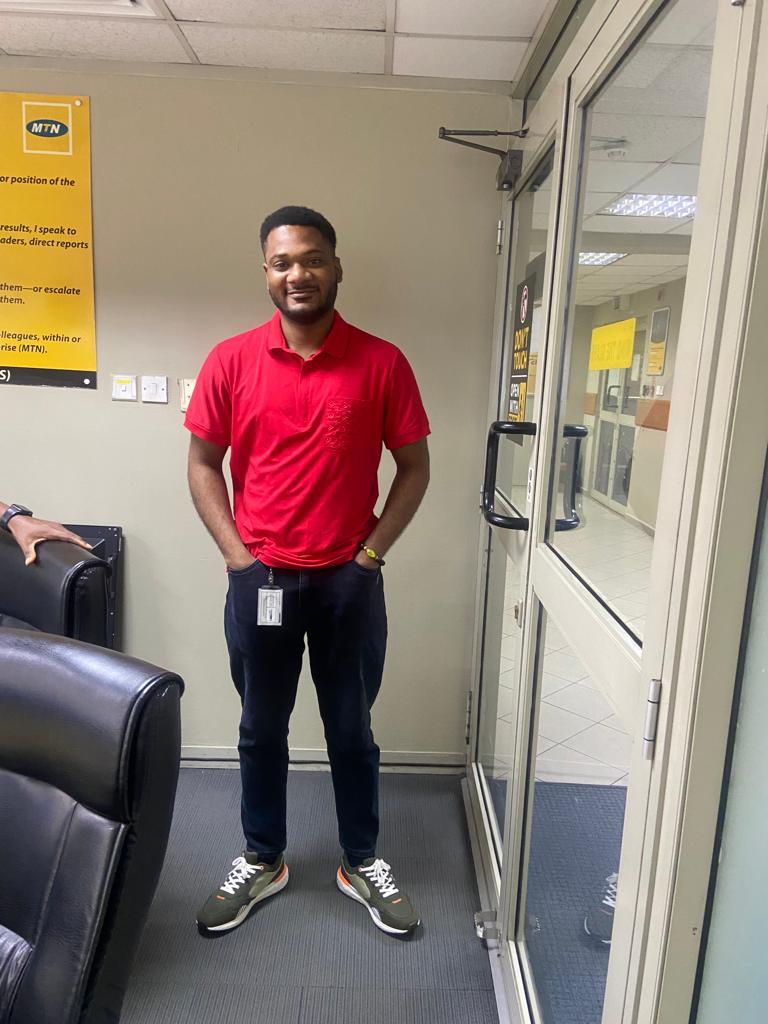
In the dense and often chaotic traffic corridors of Nigeria’s major cities, where time is routinely lost in gridlocks and where logistics costs cripple small businesses, a new wave of transformation is taking shape—one not driven by concrete or asphalt, but by code. Behind this quiet revolution is Samuel Idoko Alogo, a logistics systems innovator and operations technologist, who is leading Nigeria’s most ambitious push yet into AI-powered mobility infrastructure.
Over the past year, Alogo has worked with a coalition of indigenous logistics startups, transport unions, and mobility firms to deploy a homegrown AI routing and fleet automation system—a platform designed to optimize fleet performance, reduce fuel consumption, eliminate wasteful idle times, and help drivers and dispatchers make smarter, real-time decisions. Now operational in Abuja, Lagos, and Ibadan, the system is already transforming how goods and people move through Nigeria’s largest commercial and administrative centers.
Samuel Alogo’s vision of an intelligent transport infrastructure was born out of frustration and urgency. Nigeria’s logistics sector is notoriously inefficient, contributing to inflated product prices, delayed delivery times, and reduced profitability for transport-dependent businesses. The country ranks low on global logistics performance indexes, and much of the blame lies in unreliable routing, poor last-mile delivery systems, and outdated fleet management practices. For years, operators have relied on paper manifests, manual trip logging, and driver intuition to navigate urban jungles filled with unpredictable congestion patterns and infrastructure breakdowns. Alogo saw an opportunity to change this—not by importing expensive foreign software but by designing AI tools tailored to the Nigerian context.
At the heart of Alogo’s system is an AI engine that absorbs vast volumes of transport data—road conditions, historical traffic flows, vehicle performance metrics, real-time GPS feeds, and fuel station analytics. This engine then models the most efficient routing strategies based not only on shortest distance, but on predicted fuel availability, congestion build-ups, vehicle health, and the time sensitivity of the cargo. Fleet managers receive live dashboard alerts with suggestions on re-routing, vehicle pairing, dispatch timing, and preventive maintenance scheduling, while drivers interact with mobile apps that provide minute-by-minute guidance on road conditions, fuel-saving driving techniques, and delivery sequencing.
The results have been nothing short of remarkable. In Lagos, a courier firm operating in Ikeja reported a 35% improvement in average delivery speed after integrating Alogo’s system. In Ibadan, a regional food distributor saved nearly 20% on weekly fuel expenditures due to smarter route suggestions and improved idle time management. Abuja’s dispatch sector, long plagued by inconsistent delivery tracking, has seen a 50% reduction in delivery disputes thanks to the system’s geofencing and trip verification modules.
Yet perhaps the most compelling validation has come from transport unions themselves. Traditionally wary of technological disruptions, several drivers’ associations have embraced the system after seeing tangible benefits. Members report fewer delays, better trip planning, and a reduction in fatigue thanks to optimized workload distribution. In a country where informal transport operators make up a significant portion of the sector, the adaptability of Alogo’s system to cater to both structured fleets and ad-hoc transport networks has made it a game-changer.
What sets this initiative apart is not just its technical sophistication but its deep sensitivity to Nigeria’s unique transportation challenges. Alogo didn’t build a generic platform—he built an ecosystem. His system accounts for variables rarely considered in Western-designed tools: fuel scarcity cycles, unplanned road closures due to security incidents, load-sharing culture among intercity drivers, and even seasonal disruptions during the rainy season. The intelligence behind the platform is not just artificial—it is practical, experiential, and informed by hundreds of hours spent mapping local transport pain points.
Moreover, Alogo’s work is not limited to elite logistics companies. A key part of the rollout has involved partnering with SME transport operators, many of whom operate on razor-thin margins. Through tiered subscription models, pay-as-you-go access, and basic-feature mobile applications, even neighborhood delivery riders and independent truckers have begun accessing the benefits of intelligent routing and fleet tracking. This democratization of logistics intelligence has the potential to uplift thousands of small operators, making them more competitive and profitable.
Alogo’s team has also launched training programs across the three pilot cities, equipping drivers and fleet managers with digital skills to interface with the new tools. In collaboration with tech hubs and vocational centers, over 300 dispatch riders, trip coordinators, and logistics startup employees have already been trained. These sessions go beyond software orientation—they explore fuel analytics, driver performance metrics, cargo prioritization using AI, and dynamic route modeling. For many of the participants, it is their first encounter with data as a tool, and the excitement is palpable.
As this national rollout gains momentum, Alogo is setting his sights on scaling to second-tier cities and industrial corridors, including Kaduna, Onitsha, and Uyo. Conversations are underway with state governments, haulage cooperatives, and last-mile delivery platforms to embed the technology in broader transport development plans. Alogo believes that smarter transport is not just about efficiency—it’s about resilience. With Nigeria’s urban centers expected to grow exponentially in the coming decades, and with climate volatility threatening supply chains, intelligent logistics is not a luxury—it is an imperative.
Still, Alogo remains clear-eyed about the challenges ahead. Infrastructure gaps, digital literacy disparities, and inconsistent policy enforcement all pose barriers to scale. But he is not discouraged. His strategy is to lead with proof—showing, through measurable success stories, that local innovation can solve local problems. The Lagos and Abuja deployments are now serving as live case studies for policymakers and investors alike. With every delivery tracked, every fuel unit saved, and every delayed trip averted, Alogo’s technology is quietly building the case for Nigeria’s logistics renaissance.
In a sector often characterized by frustration and inertia, Samuel Alogo brings a rare combination of systems thinking, deep technical skill, and unwavering commitment to solving problems that matter. His work is a reminder that the future of transportation in Nigeria will not be shaped in Silicon Valley or imported through foreign consulting blueprints—it will be built here, by Nigerians who understand the roads, the rhythms, and the realities. Through his AI-powered fleet optimization systems, Alogo is not just making transport smarter—he is helping Nigeria move forward, one intelligent delivery at a time.
Comments