


Group seeks probe of NCS Kebbi over recurring seizures

 Quick Read
According to Zoramawa, the NCS's Kebbi State Command has become the prosecutor and judge in its propensity for destroying dried donkey meat cargo being transported to markets throughout the country, particularly in eastern Nigeria.
By Muhammad Lawal
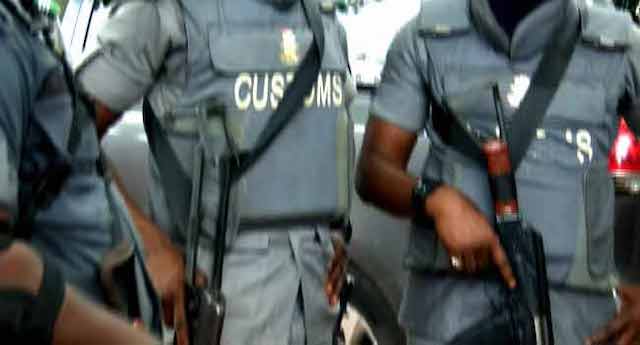
The Horse and Donkey Sellers Association of Nigeria has urged the Federal Government to investigate the Nigeria Customs Service’s (NCS) repeated seizures of donkey meat in Kebbi.
Alhaji Abubakar Zoramawa, Chairman of the Association’s Sokoto State Chapter, made the request on Sunday in Birnin Kebbi.
This comes in the aftermath of recent customs seizures of truckloads of dried donkey meat on Kebbi highways.
On May 19, customs agents seized a truckload of dried meat worth N200 million on its way to Ochanja Market in Onitsha, Anambra, the latest in a statewide crackdown that has financially devastated hundreds of people involved in the sector.
The seizures, however, have prompted outrage among a cross-section of businesspeople, who are outraged that the NCS’s activities in Kebbi State are destroying the livelihoods of millions of Nigerians.
Zoramawa stated that continuing to undermine the means of livelihood of hardworking Nigerians contributing to Nigeria’s progress and development was unsustainable.
“When you destroy our legitimate means of livelihood, you are indirectly pushing people to resort to illegalities, including banditry and joining Boko Haram and other groups.
“Thousands of our people, especially youths, are engaged in one way or another in the value chain of this business, so ruining our business is ruining thousands of homes.
“Persistent seizures of donkey meat are also a violation of the rights of the traders to engage in lawful business because no section of Nigerian laws says that people should not trade in donkey meat,” he stated.
According to Zoramawa, the NCS’s Kebbi State Command has become the prosecutor and judge in its propensity for destroying dried donkey meat cargo being transported to markets throughout the country, particularly in eastern Nigeria.
“The command should inform the public about the aspect of the law that prohibits donkey business so that Nigerians are aware.” Taking pleasure in destroying people’s livelihoods should not be condoned or permitted in our country.
“Remember that those who consume donkey meat are Nigerians, as are those who deal in the business, and the business is conducted in Nigeria, not across the border.”
“The kind of pressure being absorbed by those in business may force some of them to resort to joining bad groups. The government should discourage illegal activities by the NCS in Kebbi.
“This is because if a person engages in a lawful business but some authorities prevent him or her, that person may possibly join a bad group.”
Furthermore, he noted that the customs command in Kebbi is the only command across the country that seizes donkey meat, and he asked whether the command has a different law from other customs commands in Nigeria.
Speaking on the frequent seizures of dried donkey meat, Dr. Ben Oramalugo, Kebbi Area Comptroller of the NCS, verified that the operation was unlawful “because the seized meat and skin were prepared and concealed for export.”
He claimed that the NCS has the authority to detain or confiscate any item, citing Section 167 of CEMA C45 FLN 2004, which deals with “goods smuggled into the country or imported without payment of duty.”
“If the exporters were doing the right thing, why didn’t they follow the approved route and observe ‘Customs Export Procedure’ now that our borders are open for export?”
On what happened to the meat after the seizures, the comptroller said the NCS was empowered to immediately auction any perishable or inflammable item.
“The law empowers us to destroy it in the presence of relevant sister agencies or to hand it over to relevant sister agencies for necessary action.
“In this case, it was arranged to be handed over to the Nigeria Agricultural Quarantine Service because donkey meat is listed as Code 0204500000 under the list of HS Codes, controlled by the NAQS Code,” he said.
When asked why his command was not taking cow flesh, Oramalugo stated that there were no extant regulations prohibiting the slaughter of cows.
“Let me reiterate that, while some may wonder why donkey meat was seized when the National Assembly is already dealing with the issue of donkey trading, there is no implied law or express provision from the National Assembly that prevents Nigeria Customs officers from carrying out their legitimate duties.”
NAN
Comments