


Obstacle Course Racing: A Gritty Challenge of Endurance and Adventure

 Quick Read
OCR is not just a test of physical prowess; it also requires mental resilience. Participants must navigate obstacles that may induce fear or discomfort and often face exhaustion during the race.
Obstacle Course Racing has emerged as a thrilling and rapidly growing sport that mentally and physically challenges participants. Combining elements of traditional running with formidable obstacles, OCR offers a unique and demanding experience that has captured the hearts of athletes and adventurers worldwide. In this comprehensive article, we will explore the fascinating world of OCR, examining its history, the key components of the sport, the physical and mental demands it imposes, and the growing popularity that has transformed it into a global phenomenon. 1xBet bookie company already has a site where you can start to play at any second. Always make sure you are playing responsibly.
History of Obstacle Course Racing
Obstacle Course Racing traces its roots back to military training exercises, where soldiers would navigate challenging courses to enhance their physical fitness and combat readiness. However, the sport’s modern incarnation emerged in the early 2000s when races like the Tough Guy Challenge and the Spartan Race began captivating the public’s imagination. These events blended traditional long-distance running with innovative obstacles inspired by military training.
Key Components of OCR
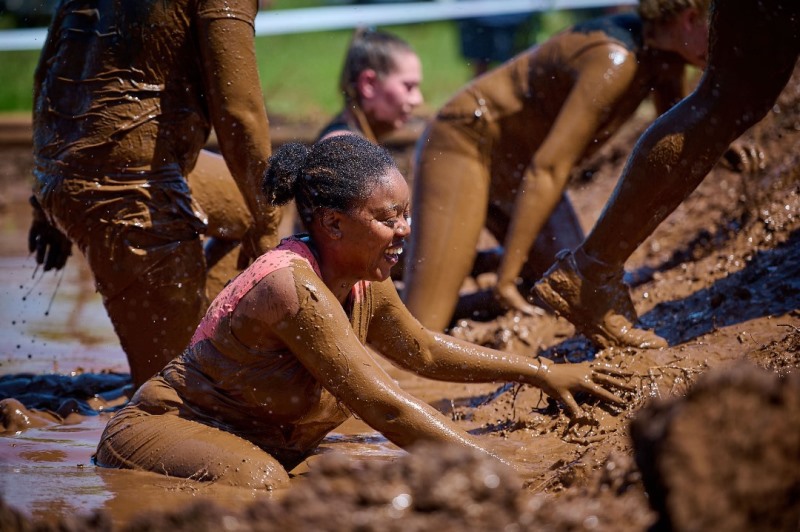
At its core, this sport consists of navigating a course that combines various obstacles with running segments. The obstacles can range from rope climbs, mud pits, wall climbs, monkey bars, crawling under barbed wire, and more. The course design varies from race to race, ensuring a diverse and challenging experience for participants.
Physical Demands of OCR
Participating in OCR demands a high level of physical fitness and endurance. Runners need both speed for the running portions and strength for tackling the obstacles. OCR tests agility, balance, upper body strength, and mental toughness. The combination of running and obstacles makes it a full-body workout that pushes athletes to their limits.
Mental Toughness
OCR is not just a test of physical prowess; it also requires mental resilience. Participants must navigate obstacles that may induce fear or discomfort and often face exhaustion during the race. Maintaining focus, determination, and pushing through pain are crucial for OCR success. The mental challenge is as integral to the sport as the physical one.
Popular OCR Events
OCR has spawned numerous events and races around the world. Some of the most well-known OCR series include Spartan Race, Tough Mudder, Warrior Dash, and Savage Race. Each event offers unique challenges and experiences, catering to novice participants seeking a fun adventure and elite athletes aiming for podium finishes.
Global Growth and Community
OCR has experienced remarkable growth in recent years and evolved into a global phenomenon. Races are held on every continent, and the community has grown exponentially. Participants range from casual enthusiasts looking for a unique physical challenge to dedicated athletes who compete professionally. OCR has also fostered a strong camaraderie, with participants often helping each other overcome obstacles, exemplifying the sport’s inclusive and supportive spirit.
OCR Training and Preparation
Preparing for OCR involves cardiovascular training, strength training, agility work, and obstacle-specific practice. Athletes often perform functional fitness training, including weightlifting, calisthenics, and interval running. Mental preparation is also crucial, with athletes practicing visualization and mental toughness exercises to overcome obstacles and endure the grueling race conditions.
Challenges and Injuries
OCR presents inherent risks, and injuries can occur. Common injuries include sprained ankles, abrasions, muscle strains, and minor cuts and bruises. However, the OCR community emphasizes safety and encourages participants to assess their capabilities and choose races that align with their fitness levels. Proper warm-ups, hydration, and stretching are essential components of injury prevention.
The Future of OCR
As Obstacle Course Racing continues gaining momentum, it will likely evolve and diversify further. With an increasing emphasis on televised events and the potential for inclusion in major sporting competitions, OCR is poised for a promising future. New formats and race series will likely emerge, attracting more participants and fostering even greater course design and obstacle construction innovation.
Conclusion
Obstacle Course Racing has transformed from a military training exercise into a global sport that appeals to athletes and adventurers of all backgrounds. Its challenging obstacles, demanding physicality, and mental resilience make it a unique and engaging pursuit. As OCR continues to grow and evolve, it provides an avenue for individuals to push their limits, build camaraderie, and experience the exhilaration of conquering both physical and mental obstacles. Whether you’re a seasoned athlete or looking for a thrilling adventure, OCR offers a gritty challenge that can be immensely rewarding.
Comments