


Mathilda L. Okhuemoi explores African women’s experiences in STEM at NCSA Centennial Meeting

 Quick Read
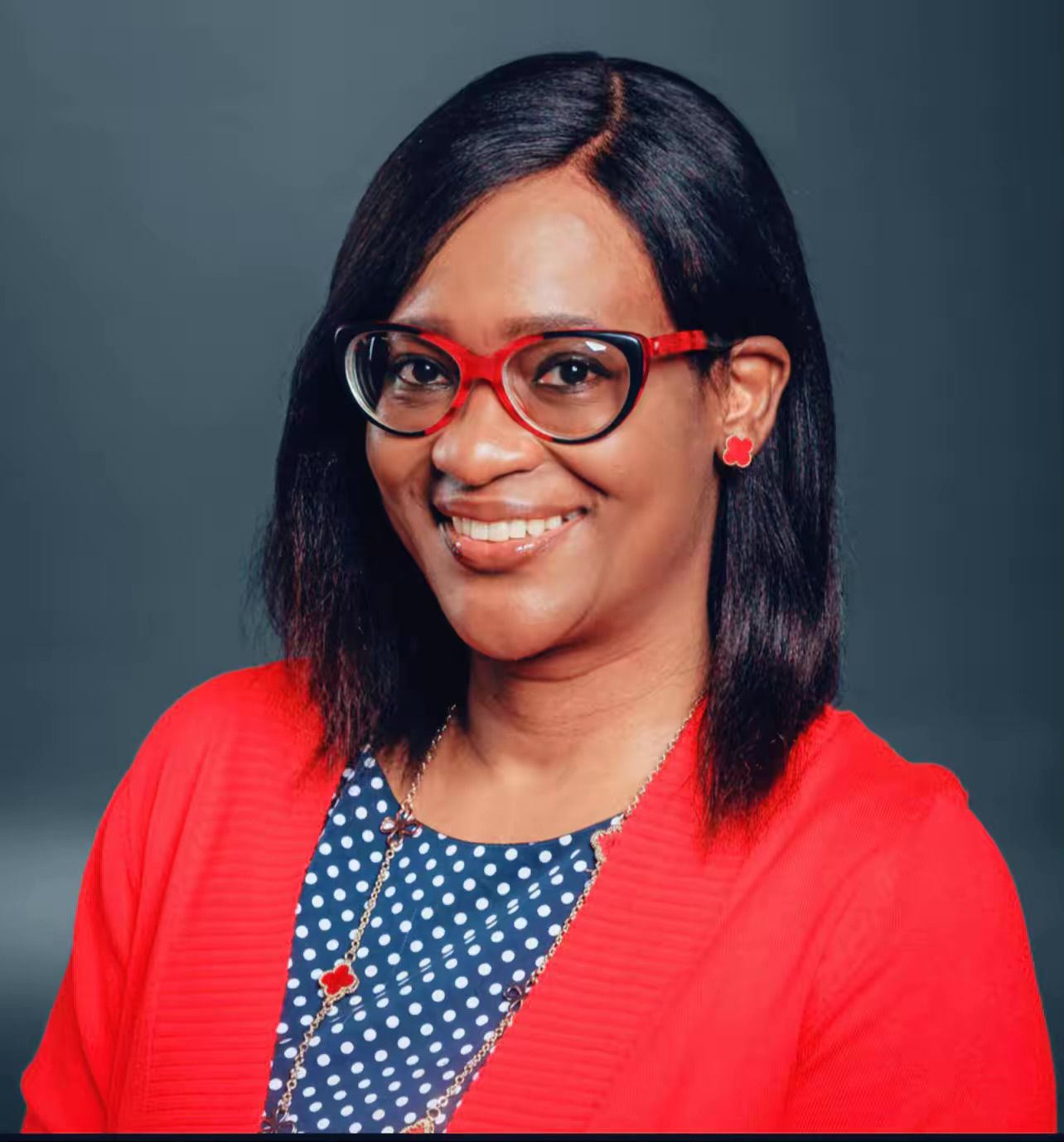
Mathilda L. Okhuemoi, Vice President of the Alpha Kappa Delta International Honor Society of Sociology at Ball State University, delivered a compelling presentation at the Centennial Annual Meeting of the North Central Sociological Association (NCSA), held on March 29–30 2024, at the Hyatt Regency Downtown in Columbus, Ohio.
Mathilda L. Okhuemoi, Vice President of the Alpha Kappa Delta International Honor Society of Sociology at Ball State University, delivered a compelling presentation at the Centennial Annual Meeting of the North Central Sociological Association (NCSA), held on March 29–30 2024, at the Hyatt Regency Downtown in Columbus, Ohio.
Okhuemoi is currently pursuing a Master’s degree in Sociology and a Certificate in Institutional Research, she serves as a Graduate Assistant in First Year Advising, is a Student Representative on the University Academic Ethics Committee, she continues to build a strong academic and professional profile within higher education.
Her presentation, titled “Searching for a Sense of Belonging: Balancing Race and Gender, African Female STEM Graduate Students in the US,” drew on in-depth interviews with sixteen African women pursuing graduate degrees in STEM.
The research examined the intersecting challenges these students face, including navigating unfamiliar academic environments, adjusting to cultural differences, and managing the layered realities of race and gender within competitive academic spaces.
According to Okhuemoi’s findings, many African female students developed a sense of belonging through relationships with fellow African students and engagement with supportive religious institutions. These communities provided essential emotional and social support, helping students adapt to the demands of their programs while maintaining a connection to their cultural identity. The study highlights how critical such networks are in shaping both academic persistence and personal well-being.
Okhuemoi also addressed professional challenges, particularly the complexities surrounding job searches and the gap between expectations and realities within research-based career pathways. She noted that while demand for STEM expertise continues to grow, access to well-structured career support systems remains uneven, especially for international students navigating unfamiliar labor markets.
Beyond her research, Okhuemoi plays an active role in student development through her work in academic advising, where she guides first-year students.
She has consistently incorporated workshops, orientation sessions, and individualized advising into her approach, helping students better understand academic pathways, improve performance, and prepare for professional advancement.
In her remarks, Okhuemoi emphasized the broader implications of her research for higher education institutions. “Understanding the experiences of African female graduate students is essential for developing inclusive academic environments that allow all students to thrive,” she said.
By combining rigorous research with hands-on student support and institutional engagement, she continues to advocate for policies and practices that promote equity, belonging, and long-term success for underrepresented groups in STEM.
Comments