


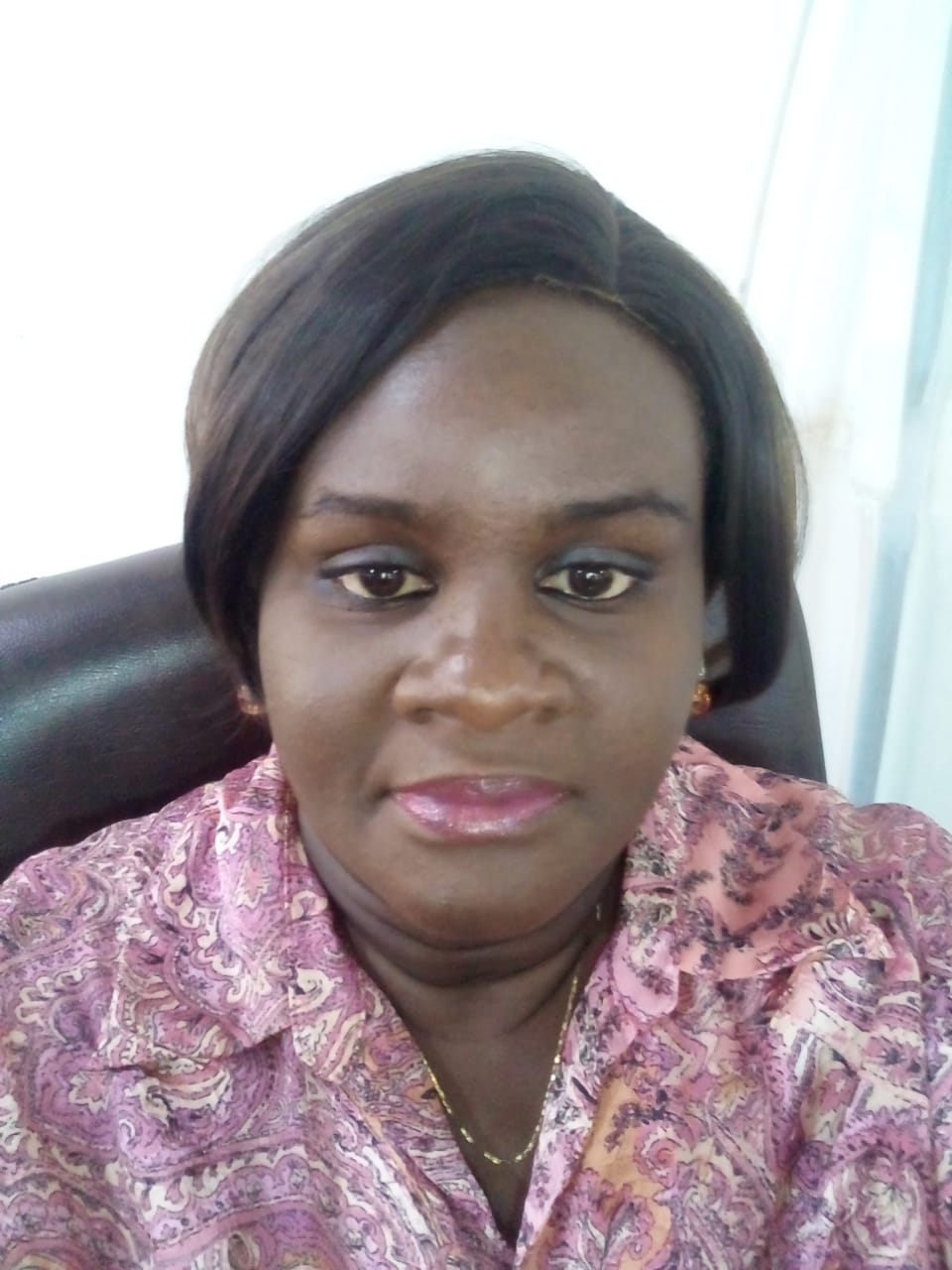
Mercy Egemba champions innovative HIV care model to advance inclusive health systems in Nigeria

 Quick Read
In a public health landscape still grappling with inequities in access and outcomes, Mercy Egemba is charting a bold new course for how Nigeria supports people living with HIV.
Michael Adesina
In a public health landscape still grappling with inequities in access and outcomes, Mercy Egemba is charting a bold new course for how Nigeria supports people living with HIV.
Through her research titled “Innovative Public Health Strategies and Care Delivery Models to Enhance Outcomes for People Living with HIV,” Egemba explores what holistic, patient-centered care looks like in practice — and how to make it work at scale.
As a seasoned public health specialist with over a decade of experience, Egemba’s approach shifts HIV care away from rigid, one-size-fits-all models toward integrated, community-responsive systems that prioritize dignity, equity, and resilience.
“We’re building systems that listen — systems that adapt to people’s real lives, not just their lab results,” she shared at a recent health innovation roundtable in Abuja.
Her study found that digital health innovations, such as mobile apps, telemedicine, and electronic health records, have become essential tools for bridging care gaps — especially in underserved areas.
These technologies, when coupled with data-driven outreach and analytics, enable health workers to identify who is being left behind and to tailor interventions more precisely.
“Data tells the story of who we’re missing,” Egemba noted. “When we use it well, we close gaps faster and smarter.”
At the heart of her model is integration — connecting HIV services with mental health, reproductive health, and non-communicable disease management.
“This multidisciplinary approach,” Egemba argues, “not only improves treatment adherence and quality of life but also recognizes that people’s health challenges rarely exist in isolation.”
She added that trusted community networks play a key role in success.
“We found that when care is embedded within trusted community networks — churches, local women’s groups, youth centers — the uptake improves dramatically. It’s not just about access. It’s about trust.”
Her research also highlights the success of community-based and differentiated service delivery models, including multi-month dispensing of antiretrovirals, peer-led groups, and outreach clinics. These decentralized systems have reduced stigma, saved transport costs, and helped patients stay on treatment longer.
Health leaders are already hailing Egemba’s work as a blueprint for inclusive, adaptive health systems.
“Mercy’s model acknowledges that health doesn’t happen in clinics alone — it happens in homes, schools, and workplaces,” noted Dr. Chukwuemeka Onuoha. “This is what 21st-century care delivery should look like.”
Egemba’s team also underscored the importance of mental health integration, revealing that depression and anxiety remain major barriers to adherence. Embedding psychological support within HIV services, the study found, significantly boosts retention and viral suppression rates.
Still, her findings do not shy away from the realities. Structural barriers — stigma, weak infrastructure, and funding shortfalls — continue to threaten sustainability.
Egemba calls for policy and financing reforms, stronger investment in digital infrastructure, and expanded public–private partnerships to translate successful pilot programs into lasting national solutions.
“Transformative care models require political will, sustained investment, and community ownership,” she said. “Without those, progress stalls.”
To address these challenges, the research recommends:
Scaling up interoperable digital health platforms;
Expanding differentiated and community-led delivery models;
Integrating HIV care with mental-health and chronic-disease services; and
Embedding stigma-reduction strategies into all health programs.
Experts say the broader implications of her work extend far beyond HIV.
“This is systems thinking applied to public health,” said Dr. Awa Diop, a Senegalese epidemiologist. “It’s a model that could transform how we approach non-communicable diseases, maternal health, or even mental health services across West Africa.”
Egemba’s legacy is taking shape — not just as a technocrat or researcher, but as a visionary advocate for people-centered health systems. Her work reminds stakeholders that innovation doesn’t always mean high-tech tools; sometimes it means reimagining relationships, rebalancing power, and rebuilding trust.
Mercy Egemba’s research signals a powerful shift — from disease control to care that heals holistically and inclusively.
Comments