


Why preserving cultural craftsmanship is essential for global fashion innovation

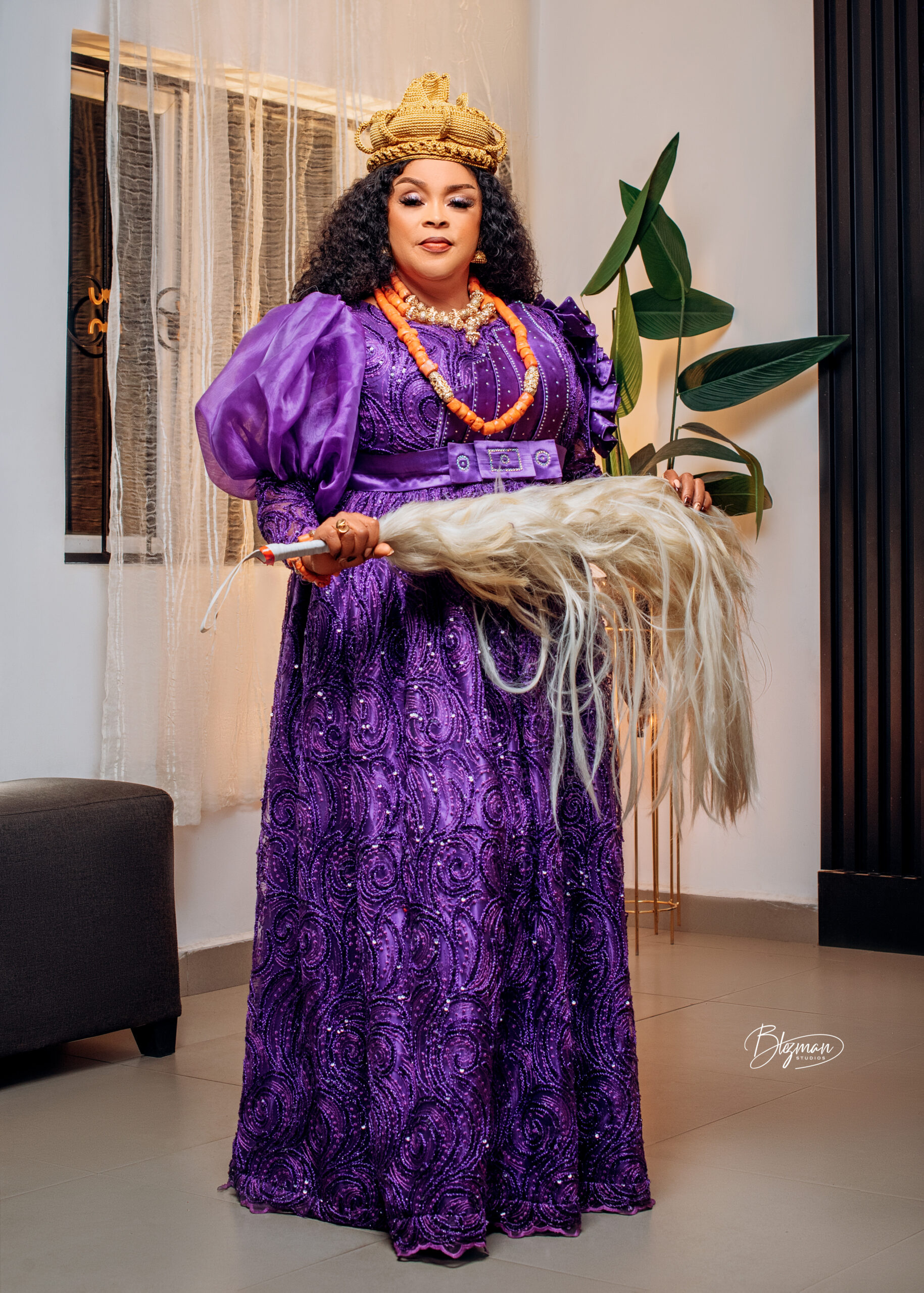
Funmi Olukomaiya
In a world where fashion is increasingly globalized, the uniqueness of African heritage provides a distinct and invaluable edge. Traditional craftsmanship embodies history, identity, and artistry that modern luxury often lacks. Preserving these techniques is not only a cultural imperative but also a powerful source of innovation capable of redefining global fashion narratives. Without intentional preservation, centuries of skill, storytelling, and cultural expression risk being overshadowed by mass-produced trends and fleeting aesthetics.
Now in May 2024, through years of exploring how Akwa Ibom textiles and artisanal techniques can influence contemporary fashion, I have come to understand that cultural preservation is inseparable from creative innovation. At Glowtarz House of Vogue, every pattern, motif, and embroidery detail is carefully crafted to retain its historical significance while appealing to discerning global audiences. The integrity of heritage is never compromised in our pursuit of modern elegance.
Preservation empowers artisans to remain at the core of fashion’s evolution. By offering mentorship, fair employment, and recognition for their craft, designers can ensure these traditions continue to thrive in new and innovative contexts. Our Eko-Akwa Elegance collection brings together Nsobo prints, raffia accents, and intricate embroidery across flowing gowns, tailored jumpsuits, and structured blazers. Each piece honors the artisans’ expertise while demonstrating that heritage-driven design is both relevant and luxurious on an international scale.
Global consumers today are increasingly drawn to authenticity and narrative. Luxury buyers seek garments with provenance and meaning, appreciating the cultural stories woven into each creation. By valuing heritage craftsmanship, designers offer more than unique aesthetic experiences. They contribute to sustainable practices, community empowerment, and a deeper appreciation of cultural history.
Heritage preservation also inspires innovation beyond textiles. By studying traditional construction, dyeing methods, and local aesthetics, designers discover new forms, textures, and silhouettes that challenge conventional fashion norms. This fusion of old and new elevates the creative process and positions African fashion as a hub of ingenuity that resonates with global trends while remaining culturally grounded.
Embracing cultural craftsmanship strengthens the fashion ecosystem itself. When artisans are respected and celebrated, knowledge is transferred to younger generations, creating a sustainable talent pipeline. Consumers, in turn, develop a heightened awareness of the value behind each handcrafted piece. African luxury fashion does not merely follow trends. It sets them by championing authenticity, skill, and storytelling as integral to the global design conversation.
Preserving cultural craftsmanship is not merely a nod to tradition. It is a forward-looking strategy for innovation. African heritage holds the key to fashion that is globally competitive, culturally resonant, and socially impactful. By honoring the artisans and their techniques, designers can elevate African fashion to a space where tradition and innovation coexist harmoniously, inspiring a new generation of global designers and redefining what luxury means in the modern world.
Glory Peters is the visionary founder and creative powerhouse behind Glowtarz House of Vogue, Nigeria’s trailblazing luxury fashion brand. She masterfully fuses the rich, vibrant heritage of Akwa Ibom with cutting-edge contemporary design, creating collections that captivate the world. Glory champions and uplifts women artisans, turning tradition into bold, transformative statements of style and empowerment.
Comments