


Nigerian Youth redefining steeze, status, lifestyle in a cultural revolution

 Quick Read
A new wave of cultural evolution is sweeping through Africa, led by young people who are reshaping the definitions of lifestyle, luxury, and influence. From the streets of Lagos to the clubs of Accra, African youth are rejecting outdated Western norms and creating a distinctly African identity that blends fashion, music, nightlife, and digital influence into a billion-dollar industry.
A new wave of cultural evolution is sweeping through Africa, led by young people who are reshaping the definitions of lifestyle, luxury, and influence. From the streets of Lagos to the clubs of Accra, African youth are rejecting outdated Western norms and creating a distinctly African identity that blends fashion, music, nightlife, and digital influence into a billion-dollar industry.
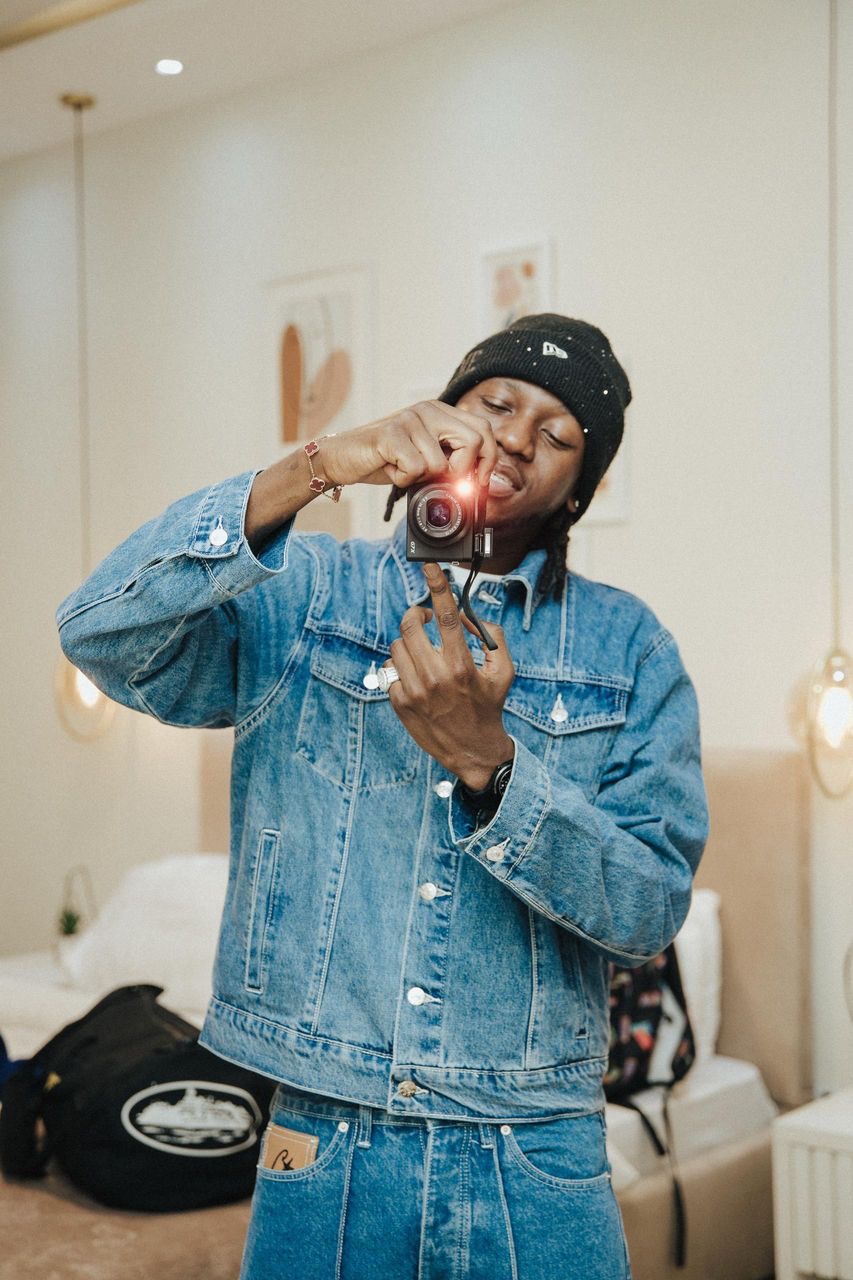
Tastemakers like HorlarofLagos are at the forefront of this movement, transforming personal style into a profitable brand. His collaboration on the Back2School sneaker drop, which sold out instantly, is a testament to the growing influence of African youth in the global market. For years, African youth looked to Western trends to define their fashion choices. Today, the narrative has shifted. “Steeze isn’t just fashion—it’s how you move, how you talk, how you command a room,” explains culture writer Ayo Badmus. Nigerian youth, in particular, have mastered the art of fusing international streetwear with traditional fabrics, creating a unique, globally recognized style.
This transformation has caught the attention of major brands like Dior, Balenciaga, and Nike, which are now collaborating with African influencers. HorlarofLagos, for instance, has proven that young Africans are not just trend followers but market leaders. Speaking on the continent’s growing influence, he asserts: “I always tell people—Africa isn’t just a vibe; it’s an economy.” According to Business of Fashion, Africa’s luxury market is expected to reach $5 billion by 2026, with streetwear being a key driver of this growth.
Nightlife is no longer just about entertainment in Africa’s biggest cities—it’s an economic powerhouse. In Lagos, Accra, Nairobi, and Johannesburg, exclusive clubs serve as spaces where social capital dictates status. Premium tables in top Lagos nightclubs can cost over $10,000 on a busy night, reinforcing the importance of influence. “The money is just one aspect; it’s about who you’re seen with, where you sit, and the image you project,” says nightlife strategist Nneka Ofor. Figures like HorlarofLagos use their presence at elite events to solidify their brand, making them highly valuable to luxury companies. Luxury brand consultant Tolu Makinde emphasizes this shift: “What we’re seeing is that nightlife has become part of the business model for influencers. If you have status in the club, you have status in culture. And status is what sells.”
African youth are no longer just trend followers—they are trendsetters and economic powerhouses. The sneaker resale market has skyrocketed, with limited-edition sneakers reselling for up to 500% above retail prices. Influencers are turning social media into million-dollar enterprises, and nightlife moguls are securing partnerships with high-end liquor brands and event organizers. HorlarofLagos is a prime example of this shift. What started as a passion for sneakers has evolved into a multifaceted brand spanning fashion, nightlife, and culture curation. His ability to command attention online and offline has made him a vital bridge between global brands and Africa’s youth market.
Beyond financial gains, there is a deeper purpose behind this movement. “We’re building something bigger than trends,” says HorlarofLagos. “We’re proving that African culture isn’t just popping—it’s profitable.” From fashion influencers to nightlife icons, African youth are redefining what success looks like. With cultural leaders like HorlarofLagos paving the way, the world is taking notice—and investing. The flex isn’t just in what they wear; it’s in how they move. And now, it’s in how they win.
Comments