


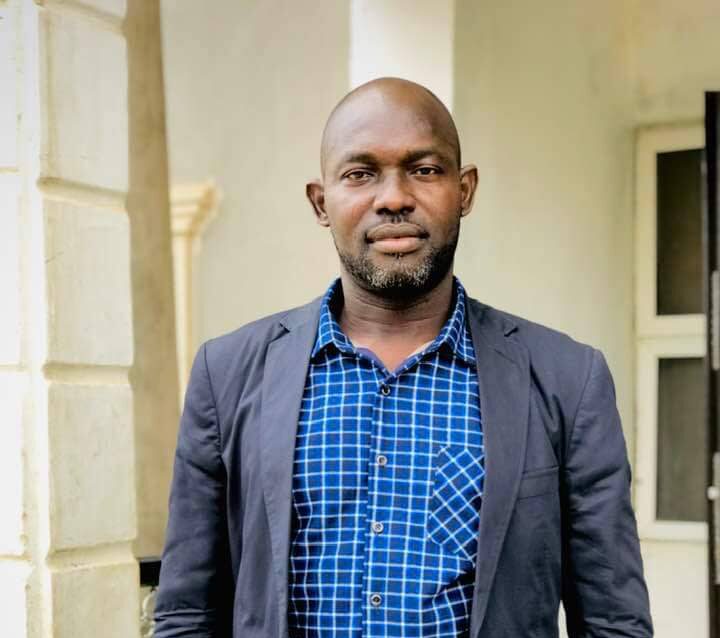
My experience in Benin, Togo, Ghana, Ivory Coast: Travelogue by Ibrahim Kegbegbe

 Quick Read
As the sun rose over the bustling border town of Badagry, the air was filled with the promise of adventure. It was here, on the edge of Nigeria, where the journey began
By Ibrahim Kegbegbe
As the sun rose over the bustling border town of Badagry, the air was filled with the promise of adventure. It was here, on the edge of Nigeria, where the journey began — a journey that would wind through the heart of West Africa, revealing a tapestry of natural beauty and human resilience.
From the sandy shores lined with coconut trees to the fertile lands where peppers and cassava thrive, the road to Benin, Togo, Ghana, and Ivory Coast showcased the region’s bountiful gifts. Yet, with each mile traveled, the stark contrasts and challenges faced by the people of these nations came into sharper focus, painting a complex portrait of West Africa today. Amid this splendor, security checkpoints every few kilometers remind travelers of the region’s challenges with banditry and kidnappings.
Economic disparities are stark, particularly highlighted by currency comparisons. The Nigerian Naira’s weakness contrasts sharply with the robust Ghanaian Cedi and the stable West African CFA Franc used in Togo; Benin, and Ivory Coast. As of July 22, 2024, one Ghanaian Cedi equates to 104 Nigerian Naira, and one CFA Franc equals 2.69 Nigerian Naira, underscoring Nigeria’s economic struggles.
Political landscapes also vary. In Ghana, preparations for the December 2024 general election are underway, with Vice-President Mahamudu Bawumia of the New Patriotic Party competing against John Mahama of the National Democratic Congress. The construction of Ghana’s National Cathedral, a project initiated by President Nana Akufo-Addo, has sparked debate due to the displacement of judges’ residences.
Djibo Issa, a Nigerien merchant in Aflao, Ghana, shared his personal tribulations, including a robbery that led to his wife’s departure. Despite the challenges, he praised Ghana for its freedom and peaceful environment compared to Nigeria, where he had lived previously.
Issa emphasized that Ghana stands out as the most free country in Africa, praising its consistent peace and stability. He went on to rank Niger as the second-best country on the continent.
He explained his choice of Niger by noting that police officers in Niger are fair and unbiased, even when dealing with foreigners. According to him, if a Nigerien attempts to exploit or cheat a foreigner, the police would intervene and might even arrest the Nigerien if necessary.
In contrast, Mr. Martin Tsikumar, a businessman from Accra, commended Ghana’s current government but noted the preference for debates over posters in the political campaign.
Tsikumar reiterated that the present government is doing its best, although people have different perspectives on governance.
He explained the absence of candidate posters on house walls as of July 17, 2024, by highlighting Ghanaians’ preference for debates over posters in evaluating candidates. “We have some of the posters, but with ample time before the election day, candidates prefer to engage with citizens directly, presenting their manifestos rather than relying on posters,” he said.
Meanwhile, Nicholas Ntuga, a bus driver from Aflao, lamented the economic struggles leading to unconventional dietary habits among citizens.
Ntuga, who operates the route between Ghana and Togo, shared his concerns about Ghana’s economic situation. He described the current economic climate as challenging, with widespread hunger affecting many.
“Take my meal as an example,” he said. “I’m eating corn porridge with a sausage roll— an unusual combination for those seeking a balanced diet. This mix of carbohydrates and minimal seasoning isn’t ideal for healthy living, but rather a means to stave off hunger,” he explained.
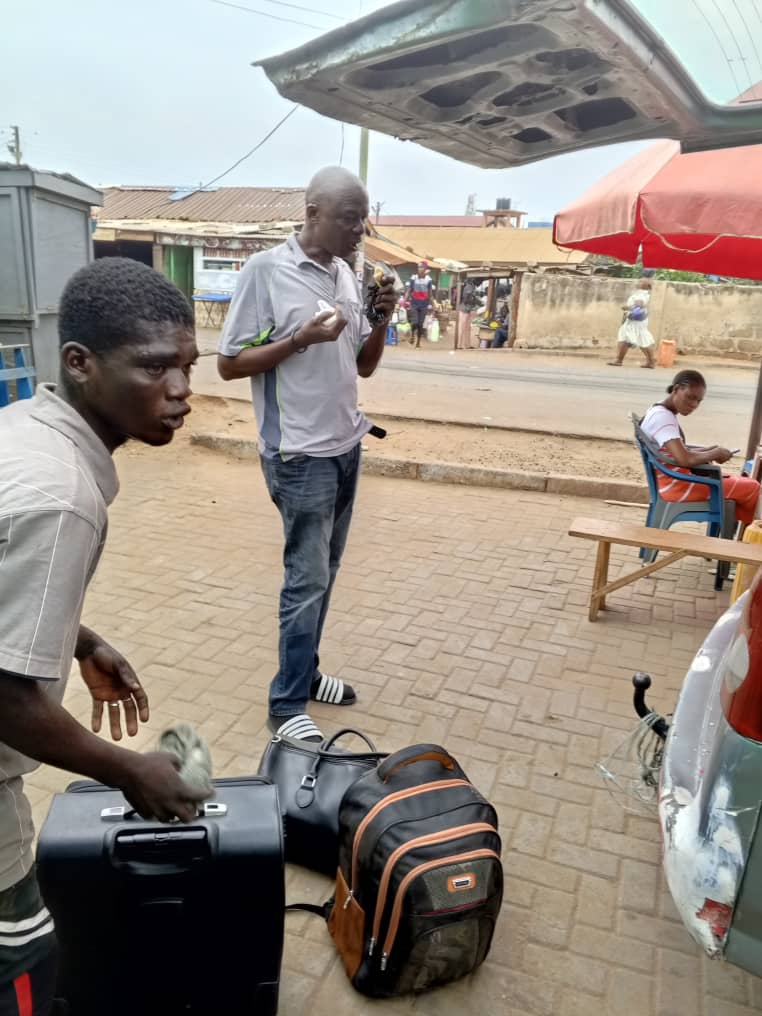
Maxwell Cisse, a bus driver in Lomé, Togo, pointed out that economic hardships force couples to share domestic responsibilities. He observed that Togolese customs officers meticulously scrutinize Nigerian passengers, reflecting perceptions of corruption.
Mr. Uche Morgan, a driver with ABC Transport who operates routes between Nigeria and Ghana, remarked on Togolese perceptions of Nigerians. He noted that Togolese often view Nigerians with suspicion, referring to them as “Huru Huru human beings,” a term implying extortionist behavior.
“Whenever we transport Nigerians to Ghana, Togolese customs officers meticulously inspect every piece of luggage, ensuring no bag is left unchecked,” he said.
Morgan also commented on the motorcycle culture in Togo and Benin. He observed that motorcycle riders in these countries are well-regarded and strictly adhere to traffic laws. “In both Togo and Benin, motorcycle riders must wear helmets, and failure to do so results in fines. This strict enforcement reflects the high regard for road safety and traffic regulations,” he added.
Despite the region’s wealth of natural resources, the journey across these countries reveals a tapestry of economic, social, and political complexities. The diverse experiences and perspectives of West Africans underscore both the challenges and the resilience of this vibrant region.
Comments