


Repositioning the Oil and Gas Industry in Nigeria

 Quick Read
The dynamics in the oil and gas industry globally is the rapid transition to renewable energy which Nigeria is not adequately prepared for to taking advantage of the abundance potential at the country’s disposal.
By Oluwagbenga Oyebanji
The entire stakeholders in the upstream, midstream, and downstream of the oil and gas industry have to be on the same page to foster the required capacity to position Nigeria as a major player in the global oil and gas industry. It is long overdue for the indigenous Nigeria oil and gas players to be the leaders in the continent and be strategic partners to the major players in the oil and gas sector. It is a welcome development that the major IOCs including Shell Petroleum Development Company, Nigeria Agip Oil Company, Mobil Producing Unlimited and Equinor are on the path of divesting their investments in 26 oil blocks to the indigenous oil firms in Nigeria.
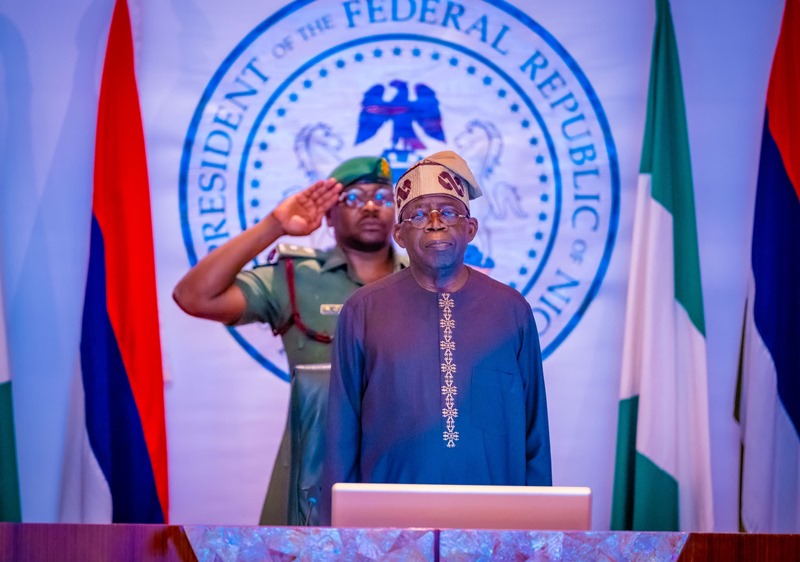
The PIA’s focus of deregulation in the oil and gas industry is a turning point for the domestic players to update their technical and technological capability to the global standards. The dynamic energy sector is a highly innovative space. It is pertinent for Nigeria to have the right framework for growth and development in the oil and gas sector. The Nigerian government led by PBAT mandated the NNPCL to sell crude oil to Dangote refinery and other domestic refineries. The Naira based crude oil sales approach would enhance quick appreciation of local currency, stabilize the foreign exchange market and uphold energy self-sufficiency. It will also eradicate the lingering fuel scarcity and for once stop the abysmal fuel importation, and cruel petroleum subsidy that has hindered rapid economic growth and development for decades.
The 445,000 barrels allocated per day to the NNPCL should be used as a cushion affects to the support the local refineries. The market-oriented principle of the PIA would reduce the monopolistic and regulatory posture of NNPCL. The Petroleum Industry Act of 2021 brought to bear deregulation of the oil and gas industry giving absolute priority to unrestrained market conditions. The Act further hopes to uphold transparency and create an enabling environment for FDI investments. The bold step of the PIA is the restructuring of the three major agencies controlling the oil and gas industry.
The Petroleum Equalization Fund (PEF), Petroleum Products Pricing Regulatory Authority (PPPRA) and the Department of Petroleum Resources (DPR) which had powers of regulations were replaced with two better and efficient agencies, National Upstream Regulatory Commission (NUPRC) and Nigeria Midstream Downstream Petroleum Authority (NMDPRA) to serve as the umpire in the oil and gas industry. The former was given the powers to the regulate the upstream oil sector while the latter was saddle with the responsibility of regulating the midstream and downstream sector. The transition of NNPCL has a regulator and competitor into a commercial entity is the greatest achievement of the present democratic dispensation.
The release of the NNPCL audited financial statement is a proof that the PIA is mandating all stakeholders to exist within the framework of the PIA of 2021. NNPCL with a declaration of profit, N3.297trillion FY 2023 which was 28% higher than 2022. The transparency posture of NNPCL is a clear indication that it’s adapting to the realities of the new framework of PIA. According to the Chief Financial Officer of NNPCL, Mr. Umar Ajiya, “Our fiscal performance reflects both strategic foresight and operational resilience. Despite inherent challenges of our operational and economic environment, we have improved the productivity and financial performance of this great company.”
He also opined that the company would soon announce its Initial Public Offering (IPO) with the endorsement of the board. He also reaffirmed the truth against the falsehood of the subsidy payment claims. The repositioning of the oil and gas industry is poised to eliminate fuel subsidy claims which is $610 million monthly expenditure amounting to $7.2billion per year which would promote economic stability on the short and long term.
The dynamics in the oil and gas industry globally is the rapid transition to renewable energy which Nigeria is not adequately prepared for to taking advantage of the abundance potential at the country’s disposal. It is pertinent for all the stakeholders to innovatively restructure the oil and gas industry towards good governance and remove all graft that had been a major source of impediment to the growth of the energy industry. The oil and gas industry is the backbone of the nation’s economy with a contribution of 65% of government’s revenue and 88% of the nation’s foreign exchange earnings and all the other sectors of the economy are tied to oil and gas sector.
PBAT should intentional reform and reposition the oil and gas sector to achieve the $1trillion GDP vision by 2030. The front- end and back-end of the oil and gas industry must be reform to boost the economy for foreign direct investment and unleash the true potential of the country’s human and mineral resources.
-Oluwagbenga Oyebanji is Public Analyst, [email protected]
Comments