


Why hike in petrol price is unavoidable – Stakeholders

 Quick Read
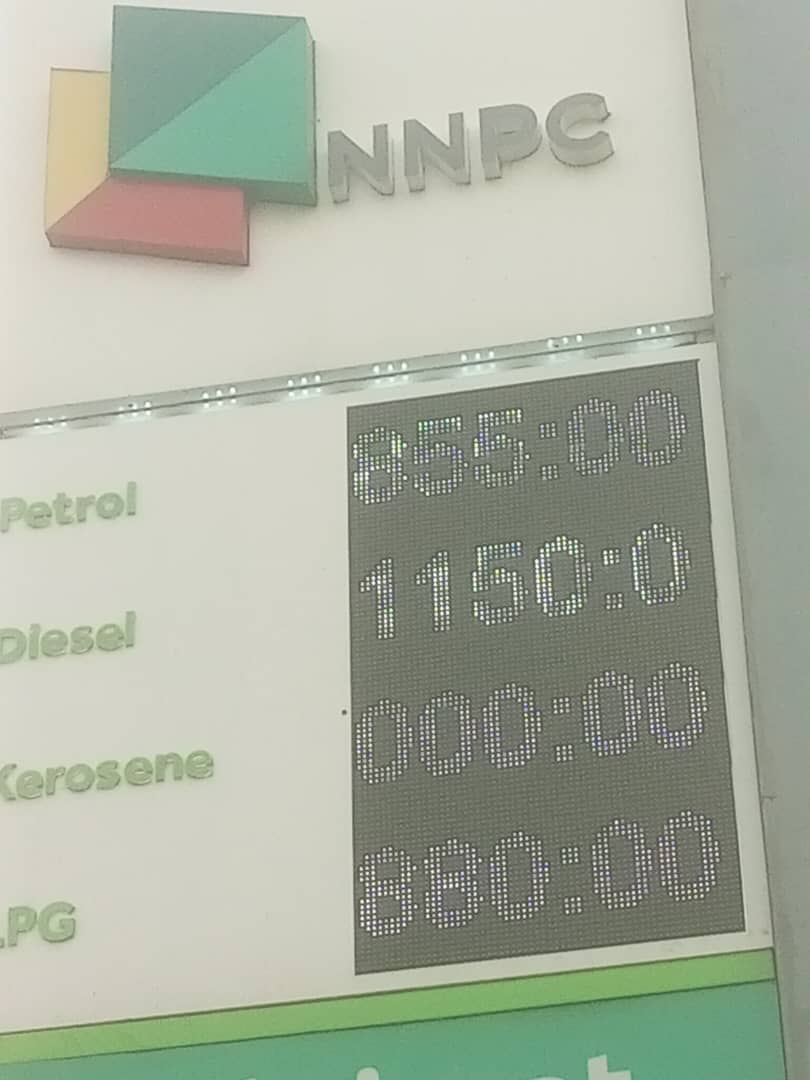
A marketer confirmed that NNPCL had raised the petrol price to N855 per litre, while private operators were expected to purchase fuel at an ex-depot price of N950 per litre. He said that the retail price at private filling stations could exceed N1,000 per litre when dealer margins, transportation, and union fees were included. The marketer added that the increase was reportedly intended to encourage Dangote Refinery to start petrol production, which began on Tuesday.
By Najibat Adebayo / Yusuf Yunus
Some stakeholders in the oil and gas industry, on Tuesday in Lagos defended the increase in price of petrol, saying the hike would help alleviate the subsidy burden on both the Federal Government and Nigerian National Petroleum Company Ltd. (NNPCL).
The experts spoke against the background of outrage that trailed the increase in petrol price by the NNPCL on Tuesday.
A marketer confirmed that NNPCL had raised the petrol price to N855 per litre, while private operators were expected to purchase fuel at an ex-depot price of N950 per litre.
He said that the retail price at private filling stations could exceed N1,000 per litre when dealer margins, transportation, and union fees were included.
The marketer added that the increase was reportedly intended to encourage Dangote Refinery to start petrol production, which began on Tuesday.
He explained, “With a landing cost of N1,118 per litre, NNPCL can no longer sustain selling fuel below this cost.
“NNPCL did not consult with marketers about this development.”
Filling stations across Lagos have adjusted their prices to reflect the current rates.
NNPCL stations are selling at N855 per litre, while major marketers are pricing their fuel between N868 and N900 per litre, compared to previous rates of N585 and N619 per litre, respectively.
However, while defending the move, some stakeholders in the sector said that the increase in the petrol pump price was unavoidable.
Mr Henry Adigun, an oil and gas consultant, said that while the price increase was a step towards addressing the subsidy issue, it did not resolve the need for total deregulation of the downstream petroleum sector.
“Unless market prices align with international product prices, NNPCL will remain the sole importer,” Adigun explained.
He welcomed the commencement of petrol production by Dangote Refinery, but noted that Dangote’s supply would hinge on favourable market conditions.
Adigun also emphasised the need for collaboration with marketers, as direct loading from the gantry might not be feasible for many distributors.
Mr Ukadike Chinedu, National Publicity Secretary of the Independent Petroleum Marketers Association of Nigeria (IPMAN), said that NNPCL had not officially informed marketers about the price increase.
Chinedu said that depot owners and marketers were awaiting further directives from NNPCL.
He expressed optimism that Dangote Refinery’s entry into the market would enhance product availability and address scarcity issues.
“I anticipate that Dangote will increase the supply of petrol and automatic gasoline oil in the Nigerian market.
“Marketers should be allowed to purchase products from Dangote and compete with NNPCL,” Chinedu added.
He said that availability was crucial, but noted that competition would follow.
Dr Ayodele Oni, Partner at Bloomfield Law Practice, described the price increase as unfortunate but reflective of market realities.
Oni questioned whether the new price covers all costs and provides a sufficient margin.
“If the new price is market-driven and covers all costs, it will be effective. Otherwise, we may face the same issues,” he said.
Oni noted that the Petroleum Industry Act (PIA) encourages market pricing rather than monopoly.
He suggested that while availability might improve, prices were unlikely to decrease significantly.
(NAN)
Comments