


Sanwo-Olu calls for national collaboration to tackle Energy crisis

 Quick Read
Sanwo-Olu stressed the need for collaboration between the states and the federal government to harmonise policies, streamline regulations, and incentivise investments in renewable energy technologies.
Governor Babajide Sanwo-Olu has reiterated the urgent need for innovative solutions and collaborative strategies to meet Nigeria’s growing energy demands.
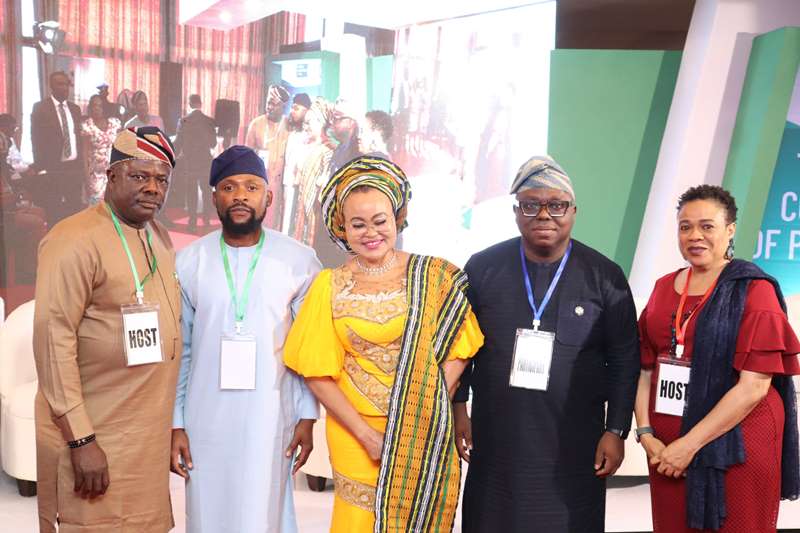
He spoke at the gathering Commissioners for Energy and Power from all states in Nigeria in Lagos State to discuss the future of the country’s energy sector.
Opening the forum on Monday in Lagos, the Governor, represented by the Secretary to the State Government, Abimbola Salu-Hundeyin, emphasised the importance of the event as a critical platform for shaping the future of Nigeria’s energy landscape.
Sanwo-Olu highlighted the escalating energy needs driven by industrialisation, urbanisation, and population growth, stressing the necessity for sustainable and equitable solutions to address the gap between supply and demand.
“Lagos State, as Nigeria’s economic nerve centre, has always led the way in innovative energy solutions,” he said.
“Through initiatives such as the Lagos State Electricity Policy and public-private partnerships, we have decentralised energy access, promoted renewable energy sources, and improved efficiency. Our Eko Electric Project is a prime example of what can be achieved through focused innovation.”
Sanwo-Olu stressed the need for collaboration between the states and the federal government to harmonise policies, streamline regulations, and incentivise investments in renewable energy technologies.
Sanwo-Olu called for a national energy renaissance, advocating for the adoption of decentralised power generation, smart grids, and energy storage solutions to achieve energy independence and meet global carbon reduction commitments.
The Governor assured participants of Lagos State’s unwavering support in advancing the energy sector and ensuring a sustainable energy future for Nigeria.
In his welcome address, the Commissioner for Energy and Mineral Resources, Mr Biodun Ogunleye, highlighted that energy is central to Nigeria’s national aspirations, particularly in an era where sustainable power solutions are essential for growth and development.
“Lagos State, with its dynamic economy and over 26 million residents, recognises the profound responsibility and opportunity that comes with energy leadership,” he said, reaffirming the state’s commitment to innovation, resilient energy systems, and partnerships that not only benefit Lagos but also contribute to the nation’s energy agenda.
Acknowledging the progress made by states across Nigeria, the Commissioner urged participants to use the forum as a springboard to amplify collective impact.
“It is through forums like this that we can exchange best practices, align our goals, and drive national energy security and sustainability,” he added.
In his opening remarks, the Chairman of the Forum of Commissioners for Power and Energy in Nigeria, and Commissioner for Power and Renewable Energy in Cross River State, Prince Eka Williams, called for initiatives that strengthen and encourage investment at the sub-national level.
Williams expressed optimism that the forum’s discussions would play a pivotal role in achieving Nigeria’s energy development goals.
He encouraged participants to engage in discussions with sincerity, teamwork, and collaboration, stressing that “an injury to one is an injury to all.”
He also commended the Lagos State Government for hosting the event, describing it as a reflection of the achievements possible through stakeholder unity.
Meanwhile, the Director General of the Nigeria Governors’ Forum (NGF), Dr Abdulateef Shittu, praised the advancements in Nigeria’s power sector and highlighted the transformative role of the Electricity Act 2023 in revolutionising the country’s energy landscape.
Represented by Chijioke Chukwu, the DG reiterated the NGF’s commitment to supporting states in achieving universal electricity access, emphasising that collaboration and innovation are key to sustainable energy reforms.
He stressed the importance of strong technical and professional leadership at the state level to ensure the successful implementation of reforms.
The forum included discussions on vital topics such as renewable energy integration, regulatory reforms, expanding energy access, and promoting gender inclusion in the energy sector. Commissioners from across the country shared insights and explored practical strategies to maximise opportunities in the energy sector.
Participants also had the chance to exchange best practices, explore renewable energy innovations, and address challenges facing Nigeria’s energy sector, fostering dialogue and collaboration toward a reliable, efficient, and sustainable energy future.
Comments