


How to end humanitarian deprivation in Nigeria – Dr. Amina Dikwa

 Quick Read
Education is a powerful tool to break the cycle of deprivation from one generation to the next. In contrast, the absence of education perpetuates inequalities, especially for girls, those living in crisis-affected areas, or the poor. When all three factors of exclusion are present, the consequences can be devastating.
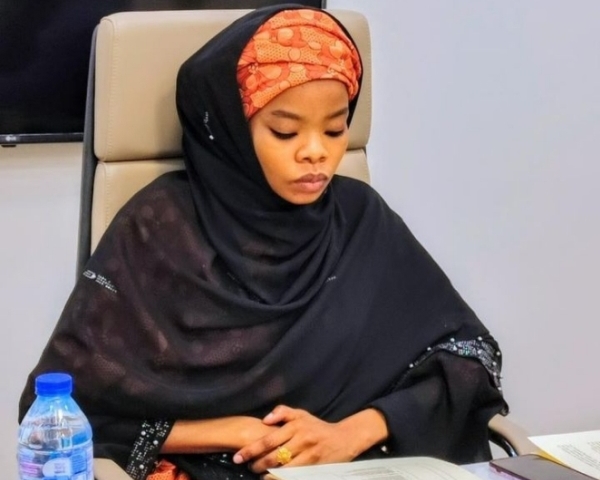
Dr. Amina Mohammed Kyari Dikwa, founder of the Amina Dikwa Foundation, spoke with PM NEWS in an exclusive interview about her organisation’s efforts in humanitarian aid, education, gender-based violence, and child protection.
What inspired the Amina Dikwa Foundation, and why the focus on emergency response areas like livelihood, education, gender-based violence, and child protection?
Our inspiration stems from various sources, with the primary motivation being the desire to make a positive impact in the world. The mission of the Amina Dikwa Foundation is to create something that adds value to people’s lives, whether in the areas of livelihoods, education, protection, hygiene, sanitation, healthy living, or family reunion.
We focus on emergency response areas like livelihood, education, gender-based violence, and child protection because we live in an unequal society marked by a lack of opportunities, misuse of power, gender inequality, and poor access to quality education or no education at all. Our work is driven by surveys, service mapping, and other techniques aimed at providing equal opportunities for all.
How has your foundation responded to the Borno floods?
The Amina Dikwa Foundation (ADF) responded to the Borno state floods through a comprehensive approach, addressing both immediate needs and long-term recovery.
Immediate Responses: We provided emergency relief including clean drinking water, blankets, long-lasting insecticidal mosquito nets, clothing materials for women, girls, and children in IDP camps, and sanitary kits for women and girls. Medical care was delivered in collaboration with other NGOs, and we established communication with relevant authorities and stakeholders throughout our intervention.
Short-Term Recovery: We continued by providing essential services, such as sanitation kits, medical care, and psychosocial support. We also focused on educational support through the renovation of schools and provision of learning materials. This aimed to equip children and individuals with the tools to understand the world, build self-confidence, and lead full lives.
We also supported livelihood recovery through cash assistance to women and long-term resilience by helping with infrastructure rehabilitation, such as motorised solar boreholes, and fostering economic recovery through entrepreneurship and job creation.
Could you share a recent example of the foundation’s work in providing mental health and psychosocial support?
In the areas of mental health and psychosocial support, the Amina Dikwa Foundation has consistently provided humane, supportive, and unbiased services. Our field workers and volunteers have identified and referred cases from communities, intervening to help victims of stress and trauma regain normalcy.
For example, during the floods in Maiduguri, we provided flood victims with non-food items, hot meals, dignitary kits, and medical attention through a mobile “Ozinic” unit in collaboration with other organisations. We ensure that our services do not expose victims to further harm, as mental health and psychosocial support are critical protection concerns.
How does the foundation approach livelihood support for affected individuals, and what types of programs are most impactful?
The Amina Dikwa Foundation approaches livelihood support by implementing strategies that build resilience and enhance well-being. Livelihood support is a crucial way to tackle poverty and inequality, as evidenced by the success stories of those we have helped.
Over the years, we have worked tirelessly to ensure affected individuals and families receive livelihood support, reducing suffering and saving lives. In Maiduguri, the socio-economic vulnerability exacerbated by crises has made it difficult for individuals and families to recover. Among the most impactful programs are food security initiatives. Food security ensures that individuals and families have physical, social, and economic access to sufficient, safe, and nutritious food to maintain an active and healthy life. The Amina Dikwa Foundation has ensured food availability through distribution and proper utilization of nutrients in food.
Education can be particularly challenging in emergency settings. What are some of the strategies the foundation uses to ensure children continue their education?
The Foundation has implemented several strategies to ensure children continue their education, even in emergency settings. Over the years, we have managed to reduce extreme inequality in some communities by providing education to the less privileged.
Education is a powerful tool to break the cycle of deprivation from one generation to the next. In contrast, the absence of education perpetuates inequalities, especially for girls, those living in crisis-affected areas, or the poor. When all three factors of exclusion are present, the consequences can be devastating.
To combat illiteracy and reduce inequality, the Foundation has renovated school structures, provided educational materials, and assisted children with books, school bags, uniforms, and sandals. Our support has particularly focused on the education of women and girls, as empowering them enables them to challenge inequality both within the family and in society.
Additionally, the Foundation has launched campaigns to reduce the number of primary school-age children who are not enrolled in school, with a particular focus on girl-child education and promoting “Back to School” initiatives.
Gender-based violence is a serious issue during crises. How does the foundation support survivors and work toward preventing Gender-Based Violence in affected areas?
The Amina Dikwa Foundation supports survivors of Gender-Based Violence (GBV) through a specialized service known as social work case management, which is a structured method for helping survivors. A case worker, typically a psychosocial or social support actor, ensures that survivors are informed about all available options, and their issues are followed up in a coordinated manner. We provide emotional support throughout the process.
The Foundation offers a range of services to survivors, including:
- Medical treatment and health care to address the physical and mental health effects of GBV.
- Psychosocial care to support emotional recovery.
- Safety and protection options for survivors and their families who are at risk of further violence.
- Legal services to help survivors claim their legal rights and protections.
- Education and livelihood opportunities to help survivors and their families live independently and with dignity.
- Other protection services, including durable solutions for displaced populations.
We also focus on preventing GBV in affected areas by:
- Providing information and education to communities about sexual violence and available services.
- Mobilizing communities for GBV prevention and referral to services.
- Engaging women and girls in community design and placement of water points, latrines, and other facilities.
- Training field workers and volunteers to raise awareness and mitigate GBV risks.
- Facilitating training to prevent sexual exploitation and abuse (PSEA) and developing codes of conduct for teachers.
- Including sexual violence issues in security monitoring and implementing strategies to respond to security threats.
What role does mental health play in the foundation’s overall mission, and how do you address stigma surrounding mental health support?
Mental health plays a vital role in our mission. We address mental health issues through advocacy, direct support, and crisis intervention. The Foundation works to reduce stigma surrounding mental health by advocating for better care and funding.
We offer:
- Counseling, treatment, and crisis intervention to individuals in need.
- Training and public education for mental health professionals to raise awareness and promote early intervention.
- Research and data collection to inform policies and programs.
- Tailored support for disadvantaged groups, such as children, the elderly, and marginalized communities.
- Community engagement through peer support groups and programs aimed at promoting psychological well-being and resilience.
Our mission is to transform mental health care by providing holistic support, especially to those in poverty and marginalized communities, and to integrate mental health care with social support to improve overall well-being.
In what ways does the foundation collaborate with other organizations or government bodies to strengthen child protection?
The Amina Dikwa Foundation collaborates with government agencies, NGOs, civil society organizations, and communities to prevent violence against children. We work closely with families to streamline case management and ensure child protection systems are connected with community strengths. The Foundation also fosters community-driven collaboration to strengthen child protection efforts.
How do you measure success in the areas of education, child protection, and mental health, especially given the complexity of emergency situations?
Success in education is measured by how effectively we promote the mental health and well-being of children and young people in crises. Education in emergencies provides stability, meaning, and positive relationships for children, young people, and their communities.
In child protection, success is measured by the effectiveness of preventive programs and the curriculum system, which includes age-appropriate lessons to help students understand their rights and personal safety. We also focus on providing information to parents to better understand child protection policies and programs, as well as conducting annual training for staff to recognize and report abuse.
For mental health, success is measured by the support we provide to promote children’s mental health and psychosocial well-being. Our socio-emotional learning (SEL) programs help children develop emotional and social skills, set and achieve goals, show empathy, maintain positive relationships, and make responsible decisions. The mental health of teachers and caregivers is also supported to ensure they have the skills to support others.
In all these areas, our mission is to provide the necessary support to improve the lives of children and communities facing crises, ultimately enabling them to recover and thrive.
How does the foundation ensure its services reach marginalized or vulnerable populations within communities affected by emergencies?
The foundation ensures its services reach marginalized or vulnerable populations by focusing on empowerment and inclusion. Some of the key strategies include:
- Sensitization: Educating marginalized communities about their rights and the benefits of their societal identities.
- Community Engagement: Including vulnerable groups in community participation, organizing meetings, and creating emergency response teams.
- Awareness and Education: Raising awareness through civic engagement and providing educational resources to the marginalized.
- Solidarity: Amplifying the voices of vulnerable groups and advocating for their concerns.
What initiatives or programs does the foundation have in place to build resilience within communities affected by emergencies?
The foundation has several initiatives aimed at building resilience, including:
- Community Participation: Organizing meetings, creating emergency response teams, and developing communication networks.
- Infrastructure Improvements: Building flood barriers, reinforcing buildings, and enhancing drainage systems.
- Inter-organizational Networks: Facilitating cooperation and resource-sharing across government agencies and businesses.
- Civic Engagement: Involving community members in decision-making processes, public policy creation, and development projects.
- Skills Development: Conducting exercises and skills training to improve emergency preparedness.
- Cash Grants: Providing dignified financial support to individuals, allowing them to choose their preferred assistance.
How do cultural considerations play into your work, especially in sensitive areas like Gender-Based Violence and mental health?
Cultural considerations significantly influence the foundation’s work in addressing issues like Gender-Based Violence (GBV) and mental health. Cultural norms often shape perceptions and responses to these issues. For example:
- Norms: Cultural norms related to sexuality, marriage, and gender roles can perpetuate GBV.
- Social Taboos: Social taboos may prevent open discussions about GBV, hindering prevention efforts.
- Family History: Cultural or family histories can influence individuals’ experiences with abuse, such as a victim staying in an abusive marriage due to religious or cultural beliefs.
The foundation challenges these cultural norms through education, capacity building, and advocacy, promoting long-term change and empowering women to fight GBV in their communities.
In your view, what is the biggest gap in emergency response efforts in Nigeria, and how is the Amina Dikwa Foundation addressing it?
Some of the biggest gaps in emergency response efforts in Nigeria include:
- Lack of Inclusiveness: When vulnerable and diverse groups are excluded from emergency management frameworks, gaps emerge. The Amina Dikwa Foundation ensures inclusivity by integrating vulnerable groups into emergency management processes.
- Lack of Flexibility: Rigid emergency management frameworks that cannot adapt to changing needs create challenges. The foundation’s approach is flexible and responsive to evolving situations.
- Lack of Integration: Disjointed efforts from different actors, sectors, and levels of government can lead to inconsistent service delivery. The foundation integrates with other organizations to provide coordinated responses to humanitarian needs.
What plans does the foundation have to expand its reach or scale its programs to serve more communities in need?
The foundation plans to expand its reach through a holistic and organized approach based on the principles of sustainable development, empowerment, inclusivity, social justice, human rights, and equality. Key strategies include:
- Community Participation: Encouraging active participation from all individuals in the community to ensure equal responsibility in development projects.
- Empowerment: Fostering respect, enhancement, and encouragement for people to meet their needs and aspirations.
- Equal Access and Opportunities: Ensuring equal participation and access to opportunities for all members of the community.
- Networking: Building relationships with various stakeholders to strengthen community development projects.
- Advocacy: Supporting active citizenship by informing communities about their rights and societal entitlements.
- Learning: Promoting lifelong learning and skill development, benefiting both personal and professional growth.
By employing these strategies, the foundation aims to empower communities and scale its programs to serve more people in need.
Comments