


Exploring Biomechanics: Reducing Injuries in Professional Tennis

 Quick Read
Emerging wearable technology would help players in tracking and assessing their biomechanics in a faster and more convenient manner. Smartwatches, motion sensors, and GPS tracking devices are game-changers and can be utilized for determining movement patterns, stress, and muscle fatigue. This information offers players and coaches an opportunity to devise training strategies that suit their goals while minimizing the extent of injury.
As professional tennis players go through every serve, every swing, and each movement on the court, they exert their bodies to the maximum possible point. But how exactly is it possible for them to perform at such a level without breaking down? The answer is biomechanics.
In the modern world of sports technology, on-court accuracy and efficiency play the most important role, while tennis betting is becoming increasingly complex and thought out. In addition to being a leader in the world of sports betting, Melbet also plays an important role in sports science and athlete health. Offering exciting betting opportunities on tennis and other sports, melbet turkey is contributing to this evolution of the sciences of biomechanics helping athletes improve their performance and reduce injuries. Understanding the intricate details of biomechanics not only enriches the game, but also helps players make their careers longer and healthier. In this article, we will explore how biomechanics reduces injuries and prolongs the careers of tennis players.
What is Biomechanics in Tennis?
As for the biomechanics analysis of tennis, it can be defined as the theory of the mechanical principles applied to the movement of the body and its segments while in action. This is very important for studies and practice, especially with tennis, since it is characterized by many quick, intense movements that exert a considerable amount of physical force. Letting athletes know the biomechanical safety principles of the game will promote the efficiency of the players while minimizing associated dangers.
Biomechanics, in general, involves an analysis of the forces that are related to each swing made, a step taken, or a serve made. It looks at aspects such as joint angles, muscle activation and its timing, and the motion of the body within each movement. From the consideration of these factors, the coaches and players will be able to learn the areas where techniques may be poorly executed or any body region at risk of overuse or stress. This permits the refinement of posture and technique, as well as training regimes so that players do not put their performance at the expense of their bodies.
The Role of Proper Technique
One of the most important factors, if not the most important factor, in tennis injuries and injury prevention is correct movement and form at all times. The design of the body is such that it is a very intricate arrangement of muscles, bones, and joints. For example, when a player uses the appropriate form, body mechanics are optimally positioned or arranged in such a way that undue stress is not experienced by any single region of the body. Let’s look at some of the main principles:
- Serve Technique: In a pristine serve, the arm motions are fluid and natural, allowing the body to create and generate force, yet little stress is placed on the elbow and shoulder.
- Groundstroke Form: By using the right grip and rotating the body while practicing groundstrokes, it is possible to push with the wrists, ensuring an even distribution of force throughout the entire movement.
- Footwork: Fast and precise footwork makes sure that there is no over-twisting of the knees and ankles, which could increase the chances of spraining.
Working with biomechanics professionals to enhance their technique does not only allow players to elevate their performance. It also helps to prevent chronic injuries. A slight change in the way a player wields their racket or shifts their body on the court can mean choosing between victory and being out of the game due to an injury.
Understanding Common Tennis Injuries
It is inescapable that one can sustain tennis injuries while playing professional tennis, but biomechanical factors can lessen the chances by teaching better technique, movement, and recovery. Among the frequent tennis injuries are the following:
| Injury | Cause | Biomechanical Solution |
| Tennis Elbow | Overuse of the forearm muscles | Adjusting grip and stroke technique |
| Rotator Cuff Injuries | Repeated overhead motions (serve) | Improving shoulder stabilization |
| Knee Injuries | Sudden stops and pivoting movements | Better footwork and knee alignment |
| Ankle Sprains | Quick lateral movements | Enhancing balance and ankle mobility |
When analyzing these injuries with a biomechanical approach, trainers would be able to detect the precise injury site and initiate preventive measures, such as modifying techniques and strength training, so that the athletes can be as injury-free as possible.
How Biomechanics Helps Prevent Strain
Muscle pulls tendonitis, among others, are injuries classified as strain injuries. Overactivity of the muscle and/or moving the body in an unnatural way, more often than not, will lead to injury in the muscle itself. Biomechanics comes into play with these kinds of problems by ensuring players move in the correct and most effective way, minimizing joint and muscle overload.
For example, during the swing, once the player’s body has rotated far enough around the ball, these players often squeeze the handles of their rackets too tightly, which can result in a number of muscle-related issues. Other unnecessary tension can be relieved by correcting the posture or improving the swing style. Additionally, some developing and strengthening exercises for so-called worn-out body parts can be efficient since any physical activity demands a good support system.
Biomechanics contributes not only to how best to meet the requirements of a player but also to prevent the player from overexerting their physical stress demands. It is logical that if one focuses on using as little strain as possible, there will be healthier bodies, more years in a career, and more steady performances throughout the years.
Biomechanical Analysis of a Tennis Serve
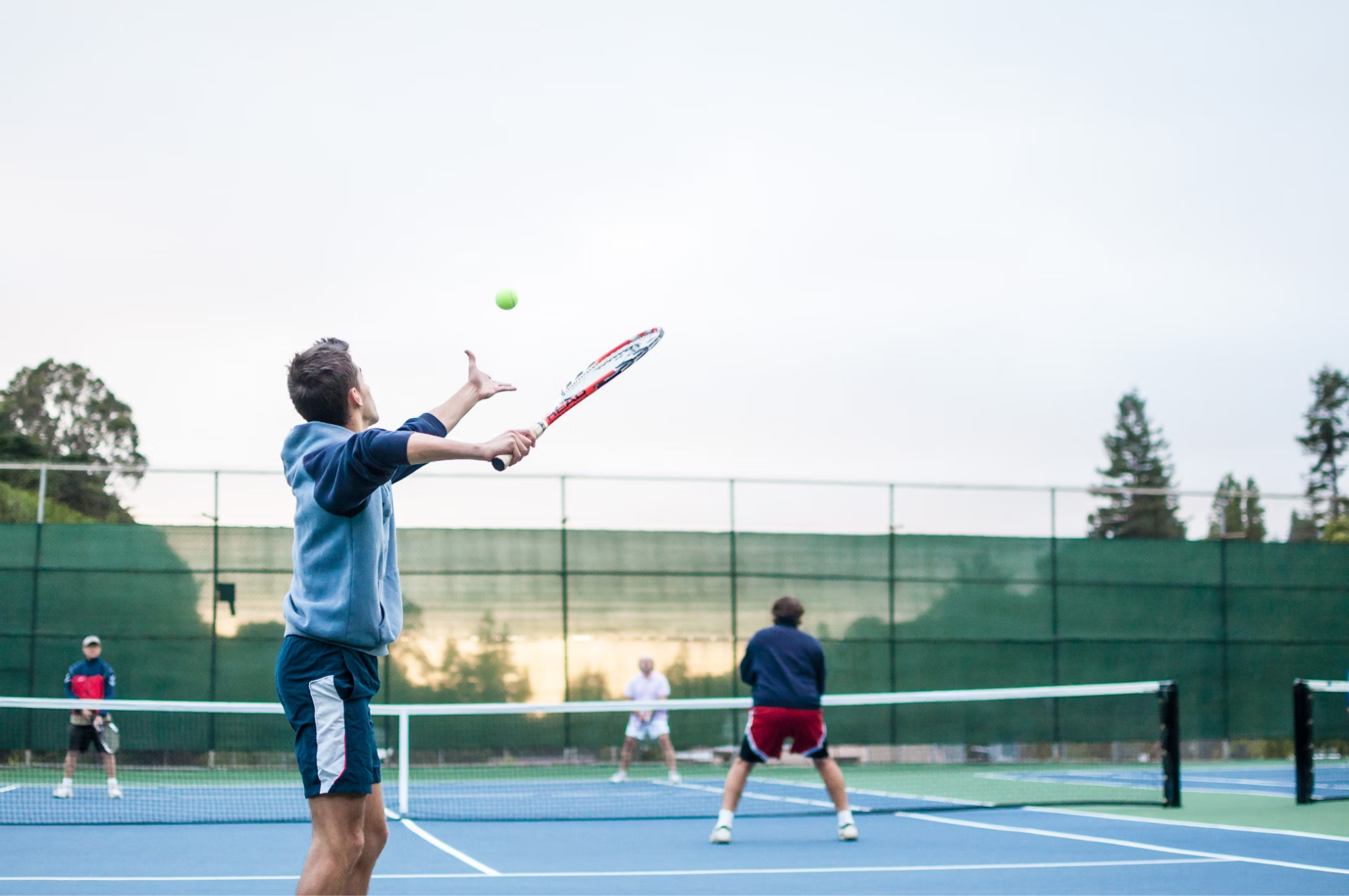
A tennis serve is widely regarded as one of the most dynamic and aggressive movements in tennis but might also be the phase of the game where injuries occur the most. Biomechanical observations of the serve encompass all phases of movement, starting with foot position, leg extension, and shoulder as well as wrist rotation during a follow-through of the stroke. A thorough analysis of each stage in the sequence should help coaches and players eliminate strains and target weak, inefficient details that cause strain.
An example would be when the loading phase occurs, in which the player is ready to begin the serve. It is important to apply force without tiring out the right shoulder. One biomechanical analysis may illustrate that the specific trunk of the player performs excessive rotation, which results in excessive compression of the lumbar area of the spine. With the right corrective exercise strategies or modified techniques, the chances of severe back injury could be reduced.
Also, studying the kinetic chain of the serve helps the players in muscle coordination in the best possible manner, where the load is evenly dispersed throughout the body. Not only are serves improved, but the chances of getting injuries that may sideline a player for several months are also reduced.
The Importance of Recovery and Rest
The body requires regular recovery from further physical stress, including that of training or competitive tennis matches. Biomechanics is not limited to the movement of players on the court. It also encompasses everything before and after the match. It includes the principles of recovery as well. Recovery methods such as stretching and muscle-strengthening exercises are included among best practices. These methods address muscular imbalances and injuries before they take place:
- Stretching: Aids in reducing muscle stiffness and enhancing the flexible range of movements.
- Strengthening: Aims to develop the core musculature and skeletal backbone for an adequate amount of support.
- Rest: Pertains to muscle restoration and protection from overexercise.
Effective recovery allows the players to quickly return to similar or even more improved physical states while being protected from the rigors of suboptimal competition settings.
Wearable Technology in the Prevention of Injuries
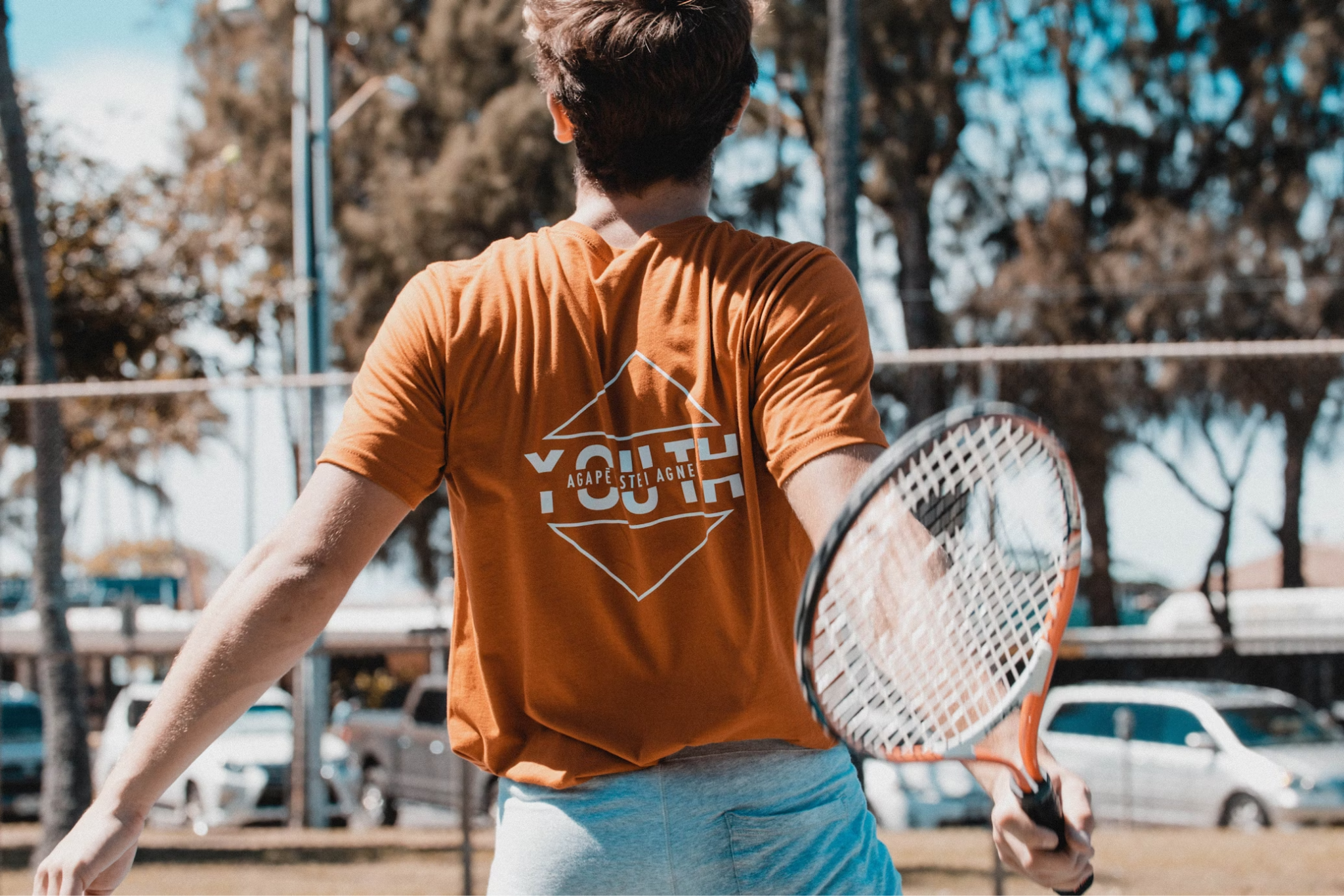
Emerging wearable technology would help players in tracking and assessing their biomechanics in a faster and more convenient manner. Smartwatches, motion sensors, and GPS tracking devices are game-changers and can be utilized for determining movement patterns, stress, and muscle fatigue. This information offers players and coaches an opportunity to devise training strategies that suit their goals while minimizing the extent of injury.
These tools gather data on stride length, balance, and impact loads, thus providing constructive feedback after each practice session. This instant feedback is a game-changer in integrating injury prevention in tennis, instantly showing how a tennis player’s body responds to mechanical loads during play.
Future Trends in Tennis Injury Prevention
As the advancements in biomechanics continue to be witnessed, more innovative techniques and strategies for injury prevention will emerge. Other fields, such as artificial intelligence, virtual reality, and advanced muscle-rehabilitation technology, will also help in injury prevention and ensure that athletes maintain peak performance. With these advancements, the future of tennis is no longer about defeating your opponents in a match. Rather, it is about obliterating the opponent and doing so injury-free.
Comments