


Many people now support local brands – Fashion entrepreneur

 Quick Read
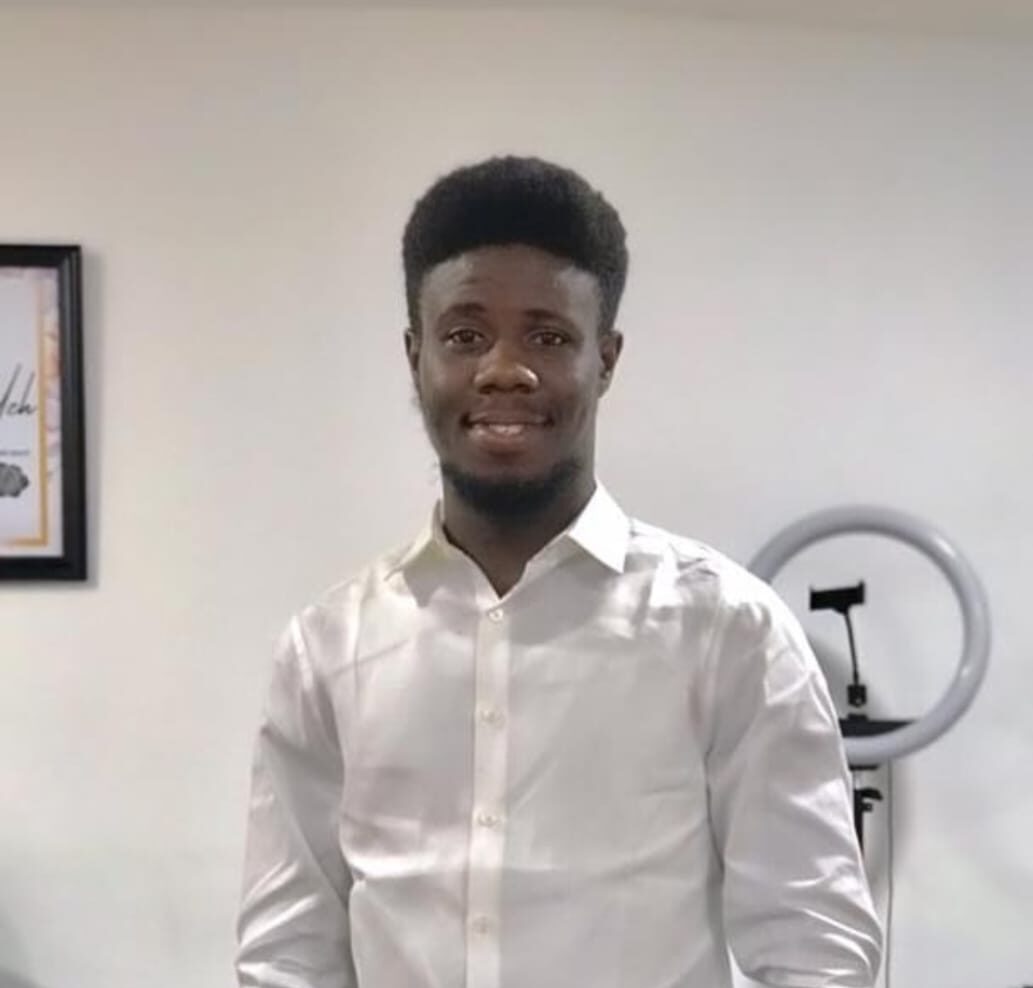
Oret Bespoke, a fashion brand formed some years ago by a budding fashion entrepreneur is gradually moving from a local brand into an international phenomenon. Founder, Adewumi Oretuyi speaks with us about his journey.
Oret Bespoke, a fashion brand formed some years ago by a budding fashion entrepreneur is gradually moving from a local brand into an international phenomenon. Founder, Adewumi Oretuyi speaks with us about his journey.
Background and Education
My name is Adewumi Oretuyi, and I hail from Ekiti State, Nigeria. I spent my formative years growing up in the Ogudu area of Lagos. It was a lively and nurturing environment that shaped much of who I am today. I come from a Christian home, and my upbringing was filled with love and guidance, thanks to my older siblings who mentored me and set a good example for me to follow.
I had my secondary education at Baptist Academy, where I began to develop an interest in pursuing excellence in academics. Later, I proceeded to Adekunle Ajasin University, Akungba-Akoko (AAUA), where I earned a Bachelor of Science degree in Economics. My university experience was a mix of academic rigour and personal growth.
Recently, I took my academic pursuits further by obtaining a Master of Science degree in Finance from Coventry University in the United Kingdom. This journey has not only broadened my knowledge but also enhanced my understanding of global financial systems.
Starting My Brand
The idea for my brand came during my National Youth Service Corps (NYSC) years. It was during this period that I attended a fashion design school in Ile-Ife to learn the technical skills I needed. While I had always been socially active and interested in creative pursuits, I focused mostly on the planning and paperwork for my brand during my university days.
Though I was passionate about fashion, I didn’t actively launch my brand while on campus. My time at university was focused on academics and social activities, with fashion remaining a long-term goal. I wanted to lay the groundwork properly before diving into it fully.
It wasn’t until I graduated that I formally launched my fashion brand. By then, I had gained the necessary skills and confidence to bring my vision to life. My NYSC experience and training in Ile-Ife were pivotal in shaping my career path.
Time Management
One of the most valuable skills I have learned over the years is time management. Knowing what to do and when to do it has been critical to my success. Balancing academics, social life, and business ideas required careful planning and prioritisation.
While I didn’t actively pursue fashion during my university days, I still dabbled in small business ventures. For instance, I owned a small gaming centre at the Students’ Union Building (SUB) on campus. This gave me my first taste of entrepreneurship and taught me how to manage people and resources effectively.
I also engaged in selling gadgets to my friends as a side hustle. These early experiences gave me a strong foundation in business and prepared me for the challenges of running my own brand. Managing time effectively was essential in juggling all these activities.
Challenges in Craft and Industry
The journey has had its fair share of ups and downs, but I have always remained focused and determined. In the craft industry, one of the biggest challenges is sourcing the best materials. The quality of materials can make or break a product, so finding reliable suppliers is a constant struggle.
Another significant challenge is finding skilled workers who are both talented and reliable. Craftsmanship requires precision, and not everyone possesses the dedication and skill needed to produce high-quality work. Financial challenges also exist, but in my case, they have been manageable compared to other hurdles.
On a broader scale, one challenge I’ve observed is the reluctance of people to fully embrace locally made products. If more people supported Nigerian-made products, it would lead to economic growth and create more employment opportunities. Changing this mindset is crucial for the industry’s development.
Industry Inspirations
There are many individuals and brands I look up to in the fashion industry, both locally and internationally. Some of my biggest inspirations include Deji and Kola, 313eko, and Seyivodi, among others. These names represent creativity, resilience, and excellence in their work.
Deji and Kola, for example, are known for their innovative designs and ability to combine tradition with modernity. Their work inspires me to constantly think outside the box and push the boundaries of what is possible in fashion.
313eko and Seyi Vodi have also played a big role in shaping my outlook on branding and market positioning. Observing their growth has motivated me to stay consistent and focus on building a legacy for my own brand.
Team Growth and Development
When I started my fashion brand, I was the sole person managing every aspect of the business. From sourcing materials to production and delivery, I handled everything on my own. It was a challenging phase, but it taught me the importance of being hands-on and understanding all aspects of the business.
As the brand grew, I realised the need to delegate tasks and build a team. Today, we have a production team, logistics team, and other dedicated staff members working to ensure the smooth running of operations. This structure has allowed me to focus more on strategy and growth.
The transition from a one-person business to a team has been rewarding. It not only improved efficiency but also gave me the opportunity to work with talented individuals who share my vision. Together, we are building something truly remarkable.
The fashion industry is absolutely rewarding, especially for those who are passionate about it.
A lot of Nigerian brands are thriving, which is a positive indicator of the industry’s growth and potential. The creativity and hard work being displayed by Nigerian designers showcase how much room there is for innovation and success.
The vast opportunities available make it an exciting field to explore. The idea that “the sky is big enough for everyone” rings true, as there’s enough space for growth without stifling competition. Whether it’s high-end couture or ready-to-wear pieces, there are niches waiting to be explored.
Ultimately, the most fulfilling aspect of working in this industry is loving what you do. Passion drives success, and when you’re genuinely invested in your craft, the rewards extend beyond financial gain. Fulfilment comes from seeing your ideas come to life and watching people embrace your work.
There are challenges in the Nigerian fashion industry, and one of the most notable is the bias against locally made products. It’s disheartening when people admire your designs but lose interest once they realise they’re made locally. Many people still associate quality and prestige with foreign brands, which can be frustrating for local designers.
However, there is a silver lining. The industry is brimming with opportunities for those who focus on creating unique, high-quality locally made products. There’s a growing movement to celebrate and support local brands, which is gradually shifting perceptions.
The potential to build a thriving brand in this space is immense. Designers who remain consistent and committed to their vision will benefit from the increasing awareness and appreciation of locally crafted products. This is a powerful motivator to continue pushing boundaries and delivering excellence.
One of my major aspirations is to establish a standard showroom in the heart of Lagos.
Lagos is a bustling hub for fashion and creativity, and having a showroom there would significantly increase visibility and access to potential clients. It would be a place where people can experience the brand in its full essence.
In addition to this, I am working on growing Oretbespoke in the UK. Expanding internationally not only builds credibility but also taps into a broader market. The UK market, in particular, holds immense potential for showcasing Nigerian designs on a global platform.
This vision is central to my long-term goals. Building both local and international presence requires strategic planning, but with consistency and focus, it’s a dream I am determined to achieve.
Currently, my team comprises five people. Each member plays a crucial role in the daily operations, from design and production to marketing and client relations. Having a small team allows for more direct communication and collaboration.
The goal is to create a work environment where everyone feels valued and inspired to contribute their best. We focus on teamwork and mutual growth, as each individual’s success ultimately impacts the brand’s overall progress.
In the future, I hope to expand the team further, especially as the business grows. Bringing in more talent will enable us to handle larger projects and explore new creative directions.
My business was initially funded through personal savings.
I previously worked in both the telecom and banking sectors, which allowed me to accumulate some capital before venturing into fashion. That financial foundation was critical in getting started.
Having a paid job taught me the value of saving and disciplined spending. Transitioning from paid employment to entrepreneurship was not easy, but those savings made the leap possible. They helped with initial expenses such as materials, production, and branding.
Over time, I’ve learnt to reinvest profits into the business. Building financial stability as an entrepreneur requires patience and careful planning, but it’s rewarding to see the growth that comes from those efforts.
Keeping detailed records is one of the most important lessons I’ve learnt.
Financial records, in particular, are essential for tracking growth and making informed decisions. When you understand your figures, it becomes easier to identify opportunities and areas for improvement.
Investors and partners are always interested in numbers, so maintaining accurate financial details is non-negotiable. Without clear records, it’s difficult to gain the trust and confidence of potential investors or collaborators. Your figures tell the story of your business’s progress.
Beyond finances, I’ve also learnt to document other aspects of the business. Whether it’s customer feedback, production timelines, or marketing results, having detailed records provides a clearer picture of what works and what doesn’t.
Growth in the fashion industry is a gradual process, and for my brand, it has been consistent. While we are still looking for a major breakthrough, I am proud of the progress we’ve made so far. Each year has brought new milestones and lessons.
Consistency has been key to sustaining this growth. By staying true to our vision and delivering quality products, we’ve been able to build a loyal customer base. Every small achievement is a step towards the bigger goals.
That said, we remain ambitious and focused on achieving even greater heights. The journey is far from over, and I am confident that with hard work and perseverance, we will reach new levels of success.
The first two years of starting the business were particularly challenging.
I had to learn everything on the job, from sourcing clients to handling production and branding. It was a steep learning curve, but those experiences shaped the foundation of the business.
Bookkeeping was another hurdle. Managing finances without prior experience was tough, but I quickly realised how crucial it was. I had to teach myself how to keep proper records to ensure the business remained sustainable.
Looking back, those early struggles were invaluable. They taught me resilience, adaptability, and the importance of continuous learning. Today, I’m better equipped to handle the challenges that come with running a business.
My short-term plan is to rebrand and introduce new collections.
This involves creating fresh designs and refining our branding to reflect the evolution of the business. A rebrand is an opportunity to reconnect with our audience and attract new customers.
On the other hand, my long-term goal is to fully break into the international market. This involves building partnerships, participating in global fashion shows, and leveraging digital platforms to reach a wider audience. It’s a challenging but exciting prospect.
By balancing short-term and long-term plans, I aim to create a brand that stands out both locally and internationally. The journey ahead is filled with possibilities, and I’m eager to see how far we can go.
Comments