


How poor data management is hurting Nigeria’s growth – Hamzat

 Quick Read
Hamzat urged the Lagos State Bureau of Statistics to collaborate more actively with MDAs to ensure precise and comprehensive data collection, describing the agency as vital to achieving the Greater Lagos vision under the Sanwo-Olu/Hamzat administration.
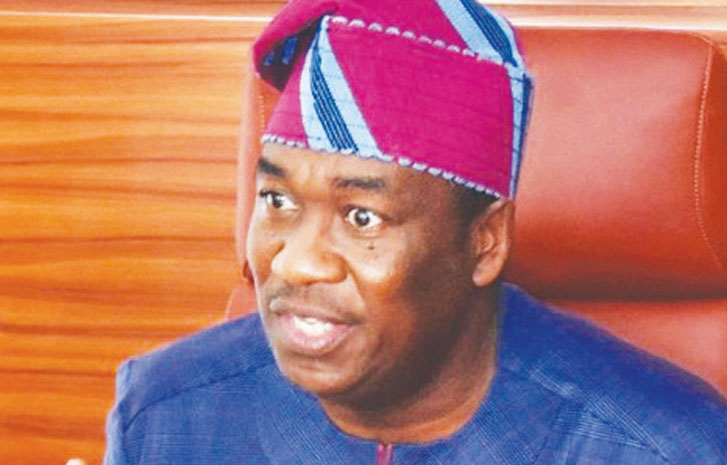
Lagos State Deputy Governor, Dr. Kadri Obafemi Hamzat, has emphasised the critical role of accurate data collection, collation, and dissemination in shaping national development and global perception.
Speaking at the “Reconstitution of Human Capital Development (HCD) 2.0 Lagos State Core Working Group” at the Office of the Deputy Governor, Alausa, Hamzat highlighted the need for government Ministries, Departments, and Agencies (MDAs) to adopt a structured data-driven approach for policy-making and governance.
He noted that Nigeria’s poor ranking in human capital development by the World Bank stems from inadequate data management. By improving data visibility and accessibility, Lagos can strengthen its global influence and drive meaningful progress across key sectors.
“Data is the foundation of any developed society. It must be readable, transferable, and globally accessible. Right now, we are not projecting our data effectively, and that is affecting how the world sees us,” Hamzat stated.
He further explained that global assessments of Nigeria often rely on statistics from Lagos, Kano, and occasionally Rivers State, leading to broad conclusions about the country’s development status. According to him, Nigeria must harness its data strategically to ensure accurate representation and resource allocation.
Hamzat urged the Lagos State Bureau of Statistics to collaborate more actively with MDAs to ensure precise and comprehensive data collection, describing the agency as vital to achieving the Greater Lagos vision under the Sanwo-Olu/Hamzat administration.
Special Adviser to the Governor on Sustainable Development Goals, Dr. Oreoluwa Finnih, reinforced the importance of this initiative, stating that HCD 2.0 represents a strategic shift towards a technology-driven and inclusive governance framework. She highlighted the plan’s focus on three key pillars: modern healthcare, functional education, and financial inclusion.
As the reconstituted HCD Core Working Group embarks on its mandate, Finnih called for a unified commitment to making Lagos a hub of human capital excellence, ensuring that every citizen benefits from quality education, healthcare, and economic opportunities.
Comments