


Oretbespoke Positions Bespoke Craft as Africa’s Answer to Fast Fashion Waste

 Quick Read
Today, just step into any market in Lagos or Accra and you'll see rails full of imported clothes — cheap, cheerful, and made to fall apart. That is the truth about fast fashion in Africa. The continent did not really choose this reality but rather inherited it.
Today, just step into any market in Lagos or Accra and you’ll see rails full of imported clothes — cheap, cheerful, and made to fall apart. That is the truth about fast fashion in Africa. The continent did not really choose this reality but rather inherited it. Globally, the industry produced it, and Africa turned out to be one of the biggest dumping grounds.
However, in this situation, a small Nigerian brand by the name of Oretbespoke is doing something that might be considered almost contrary: they are slowing down.
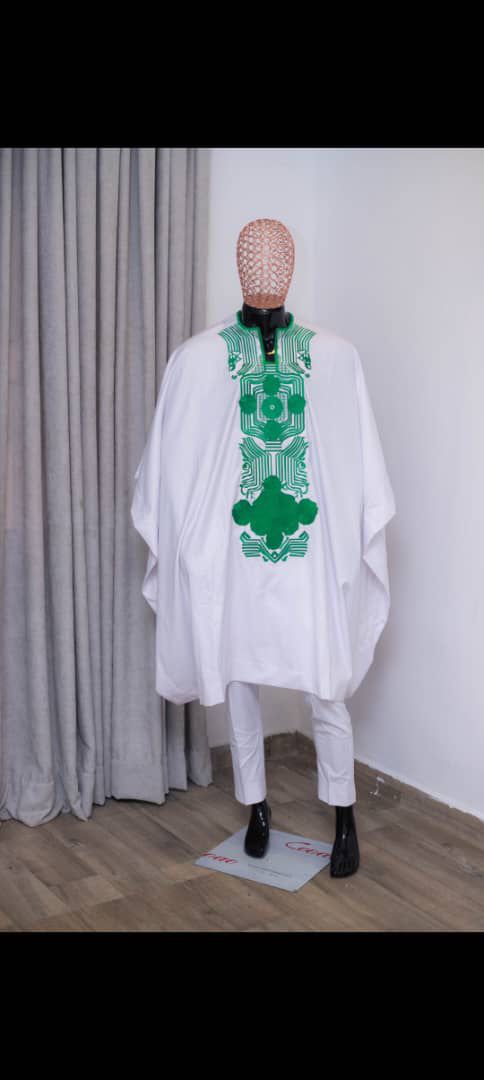
The label, which was initiated in 2018 under the leadership of Oretuyi Adewumi, operates on a bespoke concept. Every suit, shoe, and piece of clothing is fabricated only after receiving an order, customised for the particular client, and made using locally sourced materials.
There are no bulk runs. There are no surplus piles. There is, by design, very little waste.
Fashion critics and industry analysts have spent years arguing that the luxury segment needs to lead on sustainability — that it is not enough to charge premium prices if the supply chain behind those prices is opaque, exploitative, or environmentally reckless. Oretbespoke seems to have absorbed that argument and built around it.
Waste fabric that is normally discarded is reused in the production cycle. Instead of being substituted with less costly alternatives, artisans are given in-house training. The supply chain is short, local, and transparent.
Everything about this is contrary to the mainstream fashion industry. The activity of making items only for one person is not a magic wand — it takes time and requires significantly more investment compared with fast fashion.
It cannot scale the way a factory model can. But perhaps that is precisely the point. The argument Oretbespoke seems to be making — implicitly, through the way it operates — is that fashion does not have to move fast to matter.
A single well-made suit that lasts fifteen years does more for its owner, and arguably for the planet, than five cheap ones that fall apart in two.
From an African fashion perspective, the significance of this goes beyond the environmental. For decades, the continent has been cast as a consumer of other people’s manufacturing rather than a producer of its own quality goods.
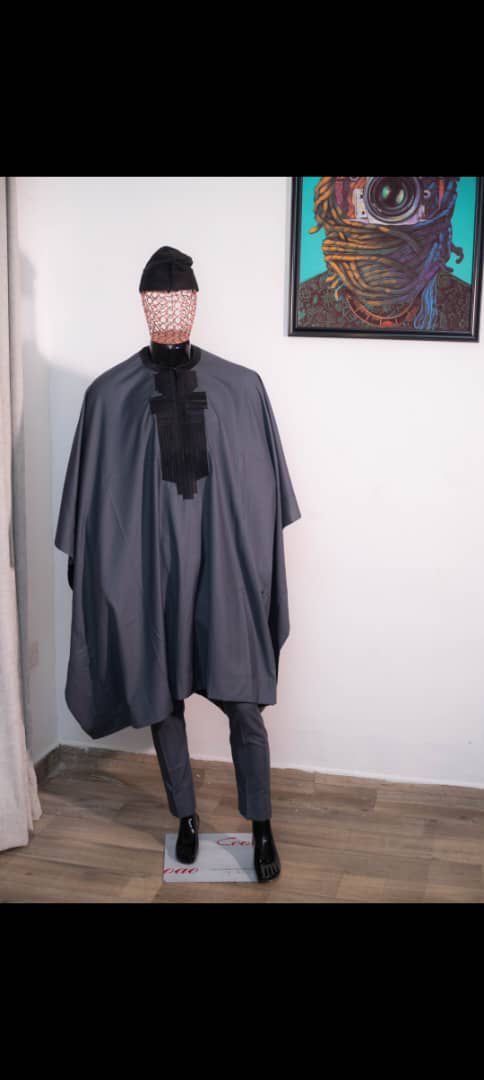
Oretbespoke pushes back on that framing. It establishes a Nigerian company at the luxury end of the market, not by copying European fashion houses, but by using local materials, local craftsmanship, and a distinctly local design identity. This represents a meaningful contribution to how African fashion is recognised both at home and abroad.
The next challenge is one that any artisan brand with ambitious plans will recognise: how do you expand without giving up the very thing that makes you worth expanding?
Maintaining quality, meeting deadlines, and preserving creative honesty while scaling up is extremely difficult. However, as a model of what environmentally conscious luxury fashion in Nigeria can look like, Oretbespoke has already done something that is hard to ignore.
Comments