


Ojude Oba: Its history and background

 Quick Read
Chief Balogun Kuku who once used to celebrate the Odeda festival converted to Islam and could no longer participate.
By Aderinola Abimbola
The widely-celebrated Ijebu-Ode festival known as the Ojude Oba has its origin rooted deep in the culture and tradition of the Ijebu-Ode people.
The festival which occurs annually is celebrated three days after the Islamic Eid-al-Adha also known as ‘Ileya’.
The Ojude Oba festival brings people from all occupations, age groups and backgrounds in Ijebu-Ode together, to pay homage to their monarch also known as the Awujale of Ijebu land who is the paramount ruler of all Ijebus.
The Ojude Oba festival can be traced back to 1878 when a slave who later became Alli-Tubogun was given the permission to practice Islam in the land.
The monarch of Ijebuland as at that time, Awujale Ademuyewo Afidipotemole, gave him the go ahead. He assured him that he could practice his religion without fear or persecution.
By 1880, the religion had grown and spread, leading to mosques being built in the town.
The Ojude Oba was then created to succeed the Odeda festival which was a celebration of the Yoruba dieties like Sango, Egungun, Osun, Ogun, Yemoja and so many others.
Chief Balogun Kuku who once used to celebrate the Odeda festival converted to Islam and could no longer participate.
He then created the Ita-Oba festival which is now known as the Ojude Oba festival.
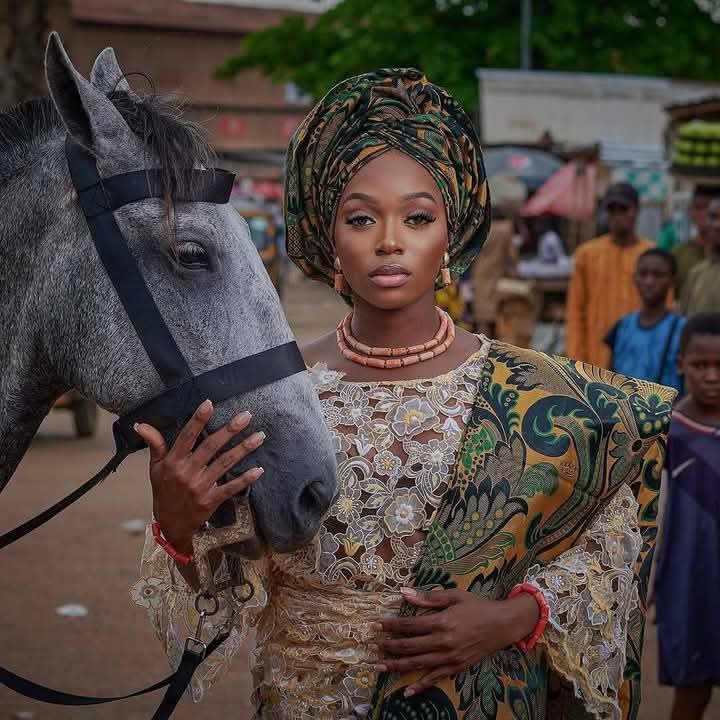
During the festival, we witness different age groups also known as ‘regberegbe’ showcase themselves in vibrant attires.
The festival is a show of the richness of the Ijebu culture, horse riding, art and music.
The term Ojude Oba is translated to as ‘the King’s fore-court or frontage’ in English or ‘Majestic outing’
The first book to be written about the festival in the Western part of Nigeria was written by Adetoun Sote.
The 2025 edition of the Festival is being conducted presently in Ijebu-Ode.
Comments