


Why Dangote’s new fuel distribution strategy is dangerous – PETROAN

 Quick Read
PETROAN said this in reaction to petrol products distribution plan announced on Sunday by Dangote.
The Petroleum Products Retail Outlets Owners Association of Nigeria (PETROAN) has said the new plan for distribution of petrol products announced by Dangote Refinery will lead to monopoly in the market and put thousands of independent operators at risk.
PETROAN said this in reaction to petrol products distribution plan announced on Sunday by Dangote.
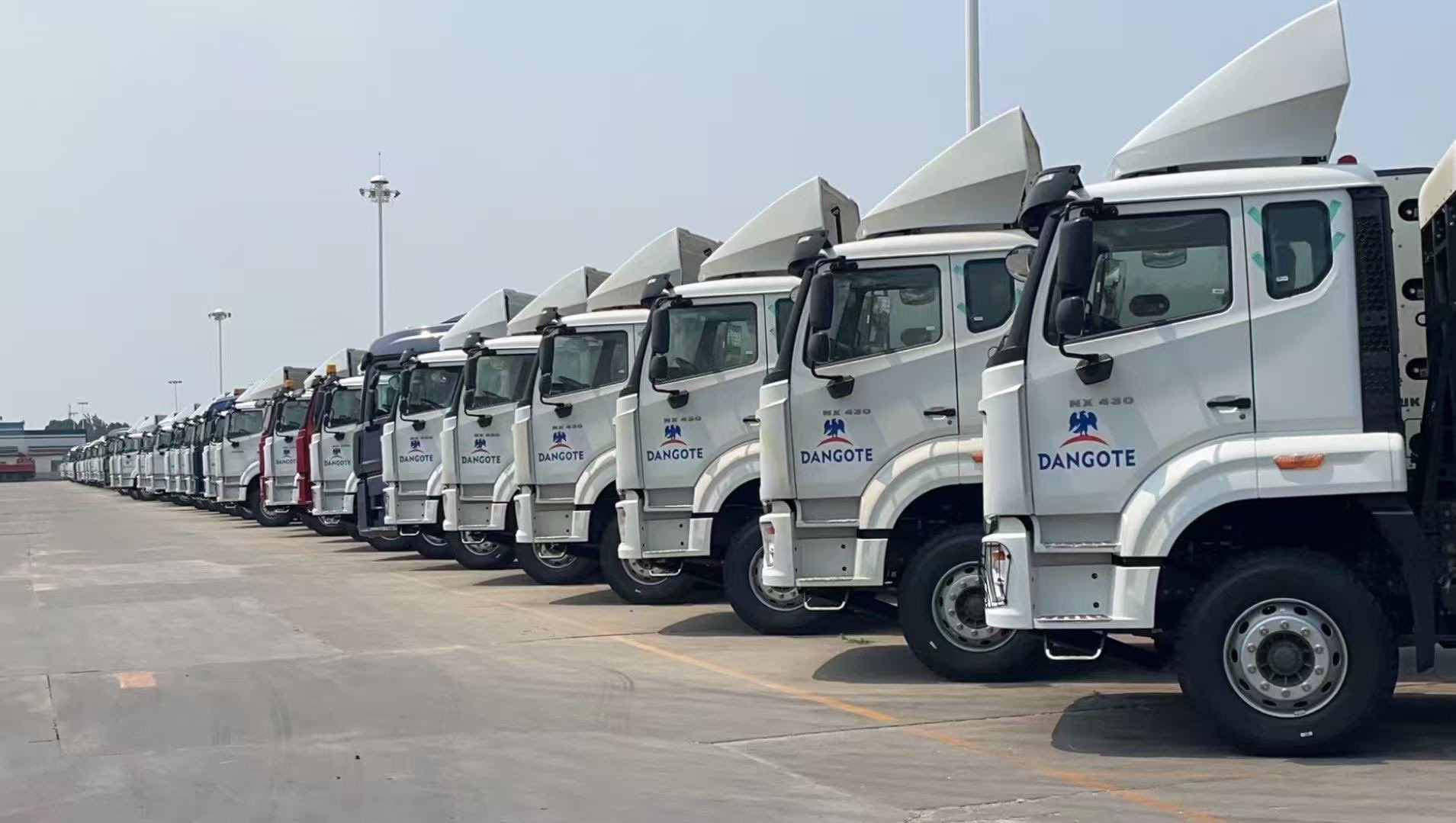
The company said the plan which will commence on 15 August will involve use of over 4000 trucks to distribute petrol products to retailers and large users across the country from its huge refinery based in Lagos.
Dangote also announced plan to give credit facilities to owners of outlets ready to buy up to 500,000 barrels of the product.
However, PETROAN, in a statement by its President, Billy Gillis-Harry cautioned that the move may lead to take over of the market by a single player.
He said, “We’re not against Dangote’s success. But no single company should control refining, supply, distribution, and retail all at once.
“It’s a monopoly in the making, and it puts thousands of independent operators at risk.”
He argued that more than 10,000 authorized retail outlets currently rely on supply of fuel from the open market.
“This system risks falling apart if Dangote assumes complete control as the exclusive gatekeeper,” he said.
To prevent this, PETROAN advocated for open access to loading depots and marine terminals, enforcement of anti-monopoly laws under the Petroleum Industry Act (PIA) and a fair pricing structure pricing structures that allow independent marketers to compete
In addition, PETROAN seek support for third-party logistics, not just refinery-owned transport fleets.
The Association added that the measures will safeguard the diversity of Nigeria’s fuel supply and prevent replacing a flawed subsidy system with a monopoly controlled by the private sector.
“This isn’t about envy, It’s about making sure the downstream sector remains inclusive, competitive, and sustainable for everyone, not just the biggest,” Gillis-Harry added.
Comments