


Feeding the Nation: The untold story of Benue’s Agricultural dominance

 Quick Read
essence, Benue’s well-earned title as Nigeria’s Food Basket stands as a tribute to its fertile lands, hardworking farmers, rich food culture, and the people’s enduring hospitality. It is not merely a nickname, but a reflection of the state’s vital role in feeding the nation and
Femi Fabunmi
Benue State, located in the heart of Nigeria’s North Central region, has earned and maintained the proud title of “The Food Basket of the Nation” — a name that reflects its immense contribution to the country’s food supply.
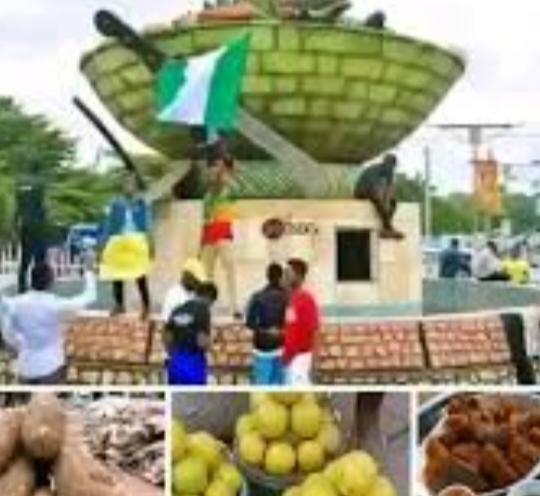
This reputation is not accidental. The state enjoys a naturally rich and fertile landscape, paired with a favourable tropical climate that supports the cultivation of a wide range of agricultural produce all year round. From staple crops like yam, cassava, rice, maize, and groundnuts to a variety of fruits such as mangoes, oranges, bananas, and citrus, Benue’s soil delivers in abundance.
Local expert and land agent Igbawua Kulekule Thaddus explains that agriculture is more than just an occupation in Benue — it is a way of life.
Nearly every household owns a farm or maintains a garden, whether small-scale or commercial. Farming is deeply embedded in the identity of the people, with generations passing down agricultural knowledge and skills.
It is this collective farming culture that fuels the state’s massive output and has positioned Benue as a key player in national food production.
One of the most striking features of Benue is the affordability and availability of food. Visitors are often amazed at the variety and quantity of traditional meals served across homes, food joints, and eateries — all at incredibly affordable prices. According to Thaddus, it is common for a guest to be served at least four different types of traditional soups alongside steaming pounded yam and a generous assortment of meat or fish. This act of hospitality is not just custom, it’s a reflection of the Benue people’s belief that sharing food signifies unity, care, and the promise of well-being.
The people of Benue are widely recognized for their warm hospitality. Welcoming guests with food is considered an essential cultural gesture. To a typical Benue host, ensuring that visitors eat well is a sacred responsibility. Food is not only a source of nourishment but also a symbol of peace, comfort, and prosperity.
Beyond crops and cooked meals, Benue is also blessed with an extraordinary supply of fresh fruits. Markets are often filled with a colorful spread of seasonal fruits, and vendors encourage customers to taste before purchasing — a practice made possible by the volume of produce available. This abundance makes fruit shopping in Benue both enjoyable and generous.
The agricultural wealth of Benue is further complemented by its natural mineral deposits. The state is home to valuable resources such as limestone in the Gboko area and kaolinite in Otukpo. These natural endowments add economic value to the region and open doors to other industries like cement production and ceramics.
Importantly, Benue’s farming success does not only sustain the local population. The state’s agricultural output plays a critical role in supporting food availability across Nigeria, contributing to national food security in a country with rapidly growing demands.
In essence, Benue’s well-earned title as Nigeria’s Food Basket stands as a tribute to its fertile lands, hardworking farmers, rich food culture, and the people’s enduring hospitality. It is not merely a nickname, but a reflection of the state’s vital role in feeding the nation and embodying the spirit of abundance.
Comments