


High cost of tomatoes, vegetable trigger lamentations from Nigerians

 Quick Read
Abdullahi Ringim, the national president of the association, added that over 500 farmers in Kano lost nearly 300 hectares of tomato crops last year due to pest infestations.
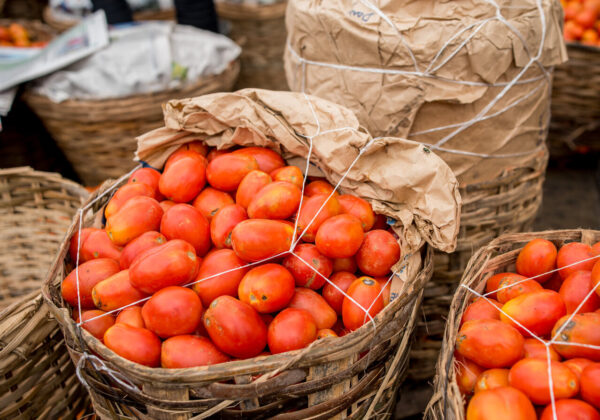
The prices of essential cooking ingredients such as tomatoes, peppers, and onions have sharply increased in Kano and other parts of Nigeria making them unaffordable for many households.
A market survey across Zoo Road Kano and other major markets in the state revealed that:
A bowl of tomatoes now sells for ₦5,000
Red bell pepper (Tatase) costs ₦10,000 per bowl
Habanero pepper (Taruhu) goes for ₦3,500
Onions are sold at ₦2,500 per bowl
At the popular Yan Kaba market, a basket of tomatoes is priced between ₦65,000 and ₦70,000, while a bag of pepper sells for around ₦120,000.
Umar Ali, a trader who deals in perishable food items, expressed concern over the situation.
“I had no choice but to buy these items, even though they’re very expensive. Some of my customers still rely on me. But honestly, this is not a good time to sell soup ingredients,” he said.
With prices soaring, many residents have had to change their cooking habits. Bukar Zanna, a health worker at Aminu Kano Teaching Hospital, said he and his family now rely on tomato paste and dried peppers to prepare meals.
“Fresh tomatoes and peppers are out of our reach. We’ve started using alternative ingredients like bean soup, which is cheaper,” he explained.
Another resident, Abubakar Danzaria, shared a similar experience. He said he spent ₦7,500 on tomatoes, onions, and peppers, only for his wife to use them all within three days.
“I can’t keep buying at this rate. For now, we’ve removed stew from our menu,” he said.
Musa GGA, a civil servant, said his family has adapted by cooking dinner with dried Tatase and tomato paste. For lunch, they prepare rice and beans with fried oil and ground pepper (yaji).
Traders like Yushau Karaye have stopped buying tomatoes due to the high risk of spoilage and the rising costs. “If they’re not sold quickly, they rot. It’s just not worth the risk anymore,” he said.
According to farmers and market stakeholders, the rise in prices is linked to low supply during the early rainy season and the high cost of transporting goods from major production areas like Zaria, Jos, and Gombe.
Sani Danladi Yadakwari, chairman of the Tomato Outgrowers’ Association in Kano, attributed the shortage to heat stress during the planting period. He noted that tomato supply is expected to improve by September when the main harvest season begins.
Abdullahi Ringim, the national president of the association, added that over 500 farmers in Kano lost nearly 300 hectares of tomato crops last year due to pest infestations.
The estimated financial loss was around ₦17 billion.
He said efforts are ongoing to introduce improved, disease-resistant seeds in collaboration with agricultural research institutions to prevent future losses.
Source Daily Trust
Comments