


U.S. hits Houthi money laundering scheme with sweeping sanctions

 Quick Read
Yahya Mohammed Al Wazir and his company, Al-Saida Stone for Trading and Agencies, were also sanctioned for laundering money, including spending six million euros on bulk coal purchases in late 2024, inconsistent with its public profile as a stationery wholesaler.
By Kazeem Ugbodaga
The U.S. Department of the Treasury’s Office of Foreign Assets Control (OFAC) has imposed sanctions on two individuals and five entities involved in a petroleum smuggling and money laundering network benefiting the Iran-backed Houthis in Yemen.
The sanctions target a network operating across Yemen and the United Arab Emirates, which profits by importing petroleum products into Houthi-controlled areas and laundering funds to support the group’s destabilizing activities.
The Houthis, designated as a Foreign Terrorist Organization by the U.S. Department of State on March 5, 2025, generate significant revenue by taxing these imports, funding their regional operations.
Key targets include Muhammad Al-Sunaydar, a prominent Yemeni petroleum importer, and his companies—Arkan Mars Petroleum Company for Oil Products Imports, Arkan Mars Petroleum DMCC, and Arkan Mars Petroleum FZE—which have facilitated the delivery of approximately $12 million in Iranian petroleum products to the Houthis via Yemen’s Hudaydah and Ras Isa ports.
Yahya Mohammed Al Wazir and his company, Al-Saida Stone for Trading and Agencies, were also sanctioned for laundering money, including spending six million euros on bulk coal purchases in late 2024, inconsistent with its public profile as a stationery wholesaler.
Additionally, the Houthi-controlled Amran Cement Factory was designated for providing money laundering and revenue-generating capabilities, with recent production directed to fortify Houthi military infrastructure in Yemen’s Saada region.
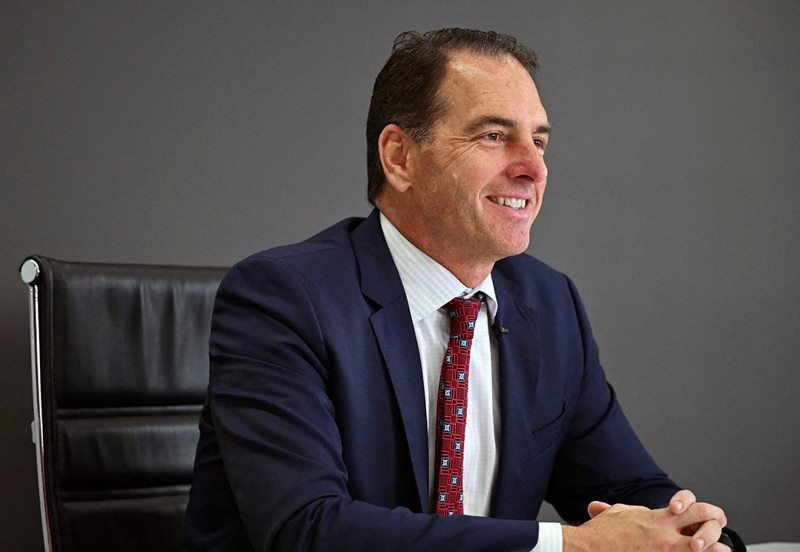
“These networks of shady businesses underpin the Houthis’ terrorist machine, and Treasury will use all tools to disrupt these schemes,” said Deputy Secretary of the Treasury Michael Faulkender.
The sanctions, enacted under Executive Order 13224, block all U.S.-based assets of the designated parties and prohibit transactions with them, with potential civil or criminal penalties for violations.
Foreign financial institutions engaging with these entities risk secondary sanctions, including restrictions on U.S. banking access.
This action follows a series of OFAC sanctions targeting Houthi revenue and weapons procurement since June 2024, reflecting ongoing U.S. efforts to curb the group’s financial networks.
The Treasury emphasized that sanctions aim to encourage behavioral change, with the possibility of removal from the Specially Designated Nationals List if compliance is achieved.
Comments