


GMOs: Islamic clerics back use of biotechnology for food security

 Quick Read
Prof. Abdullahi Mustapha, Director-General of NBRDA, emphasised the ethical and scientific foundations of GMO technologies as powerful tools for social and economic progress.
By Sylvester Thompson
Some members of the Islamic community in Abuja have expressed their strong support for the use of Genetically Modified Organisms (GMOs) and biotechnology in agriculture to address Nigeria’s pressing food security challenges.
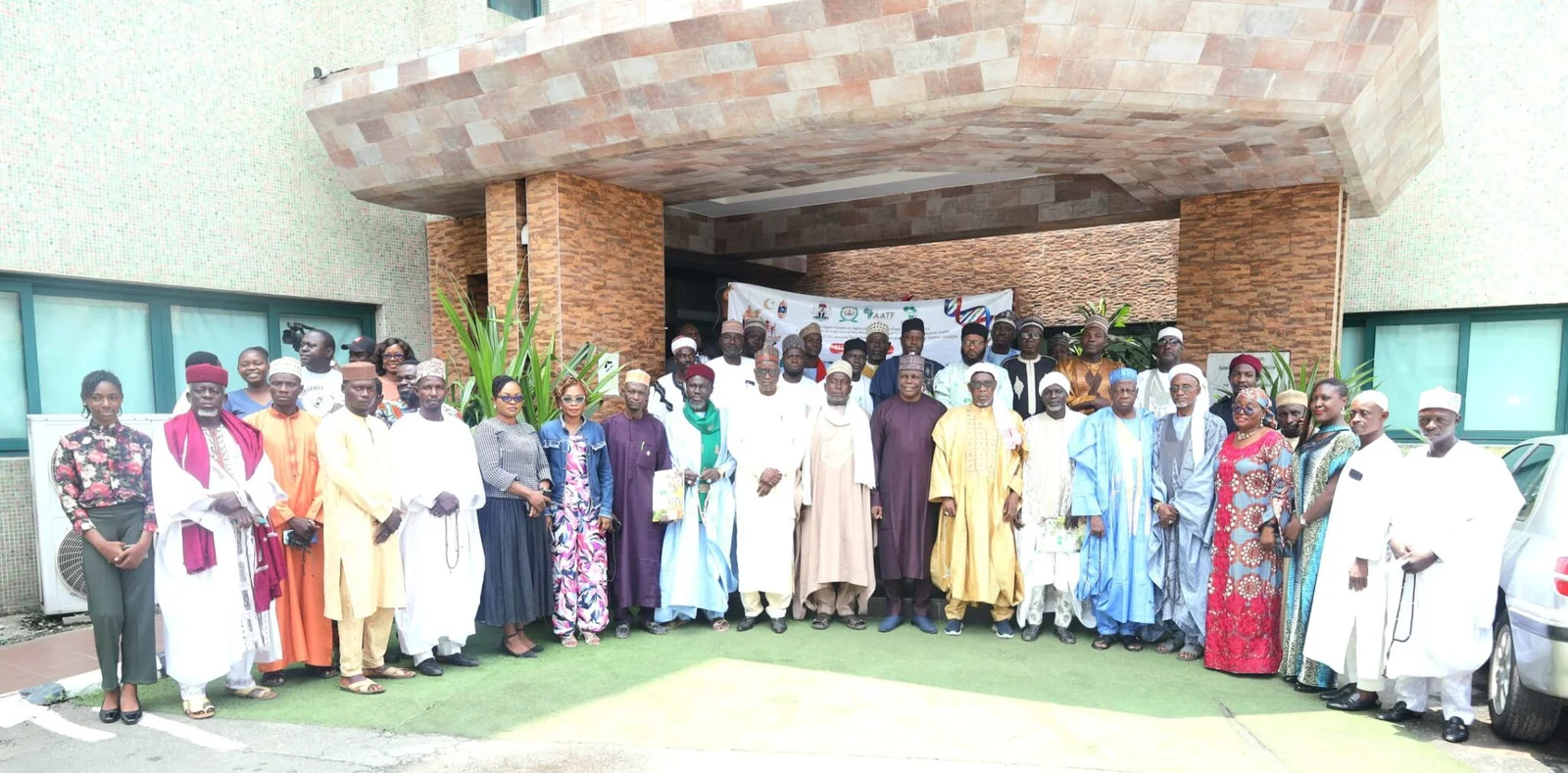
The clerics gave their support against the backdrop of ongoing controversies on the safety of GMO agricultural products at a sensitisation workshop on Tuesday in Abuja.\\
The event, organised by the Open Forum on Agricultural Biotechnology (OFAB) Nigeria under the National Biotechnology Research and Development Agency (NBRDA), aimed to foster understanding between modern science and religious values.
The Islamic clerics led by Malam Abdullahi Nuhu, Secretary to the Chief Imam of Dantata Mosque, affirmed the community’s spiritual and moral backing for government-led biotechnology initiatives.
“We pledge our prayers and spiritual support to ensure the success of these programmes across Nigeria.
“Our leaders encourage us to back these efforts wholeheartedly,” Nuhu said.
The workshop featured expert presentations on the potential of agricultural biotechnology to transform farming, improve food security, and mitigate the impacts of climate change.
Prof. Abdullahi Mustapha, Director-General of NBRDA, emphasised the ethical and scientific foundations of GMO technologies as powerful tools for social and economic progress.
“In a nation grappling with food insecurity and environmental challenges, rejecting safe and proven innovations would be a missed opportunity,” he said.
Mustapha further reassured that GMO seeds were locally produced by indigenous companies, ensuring Nigerian control over seed production and distribution.
He called for greater collaboration among local firms to enhance seed availability and affordability for farmers.
Dr Rose Gidado, NBRDA’s Director of Agricultural Biotechnology, highlighted benefits such as reduced pesticide use, pest resistance, environmental sustainability, and longer shelf life for produce.
“Biotechnology is key to building climate-resilient agriculture and driving socio-economic development,” she noted.
Other experts, including Prof. Mohammed Ishiyaku of the Institute for Agricultural Research, Zaria, emphasised genetic enhancement as an affordable and sustainable solution to low farm productivity.
Dr Agnes Asagbra of the National Biosafety Management Agency, stressed the importance of responsible stewardship for long-term gains from GM crops.
Reinforcing confidence in GMO safety, Dr Ehirim Bernard from the African Agricultural Technology Foundation cited rigorous biosafety assessments of crops like TELA Maize, assuring that they met stringent safety standards for consumers and the environment.
Recall that controversies over the use of genetically modified crops in Nigeria was recently reignited after popular medical influencer, Chinonso Egemba, @aproko_doctor posted a video on why GMOs should not be considered dangerous,
The video, which was posted on X, sparked outrage with commentators raising fears about role of foreign actors in proliferating GMOs in Nigeria.
One commenter @Jenslaw claiming that “GMO is simply a 21st century slavery scheme to recolonise Africa by controlling African population through what they cultivate and eat”.
However, NBMA responded that GMOs are safe,
“GMOs are trending, and we hear your concerns! NBMA ensures all approved GMOs in Nigeria are safe for you & our ecosystem. Our strict regulations align with WHO & Codex standards”, the National Biosafety Management Agency stated on Facebook.
Nigeria has had two GMO crops – maize and cowpea – approved for sale with 33 more crops approved for trial.
NAN/Agency report
Comments