


Nigeria U20 Football Team: Prospects for the Future of the Flying Eagles

 Quick Read
The question remains: how will these talents be managed post-U20? Will they enter structured senior environments with continuity of tactical education, or will they face the typical drop-off experienced by many Nigerian youth internationals?
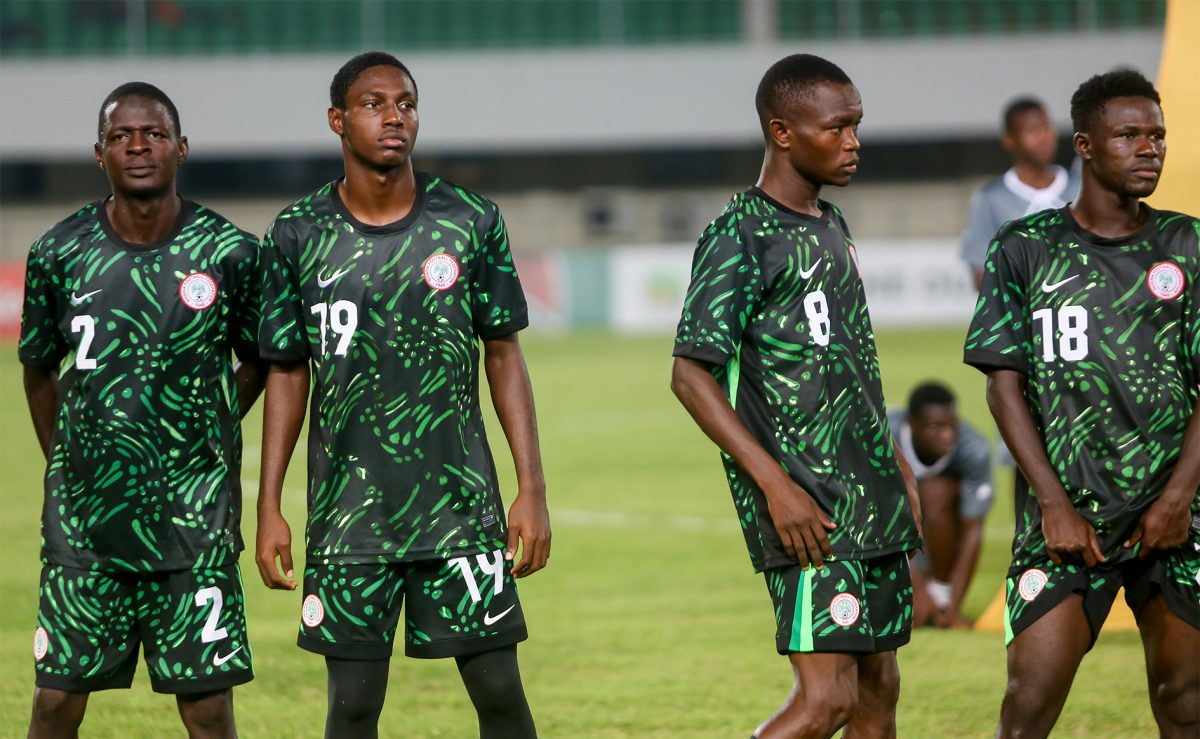
In Nigerian football, the U20 national team—popularly known as the Flying Eagles—has often served as a lens through which the country’s footballing philosophy, planning, and promise are evaluated. Their role extends beyond mere tournament participation. They are not only a developmental layer between grassroots and the Super Eagles but also a proving ground for coaching methodology, administrative foresight, and player transition into elite football.
Each generation of Flying Eagles tells a different story—some of raw talent guided into excellence, others of structural imbalance obscuring potential. In an era increasingly shaped by data, infrastructure, and high-performance science, it becomes necessary to assess their progress not through fleeting headlines or emotional declarations, but through tactical clarity, institutional alignment, and sustainable output.
The interest surrounding youth national teams also intersects with broader sports culture. In regions where sports betting is legally regulated, such as in the U.S., platforms among the best Colorado sportsbooks may offer odds on youth tournaments or future international stars. This emerging digital environment reinforces the need for informed, balanced engagement. That’s why organizations like RG (Responsible Gambling) provide crucial resources for bettors—educational tools, behavioral assessments, and limit-setting systems to encourage responsible gaming, particularly when betting extends to developmental-level competitions.
A Historical Overview: The Legacy of the Flying Eagles
The Nigeria U20 team has been a consistent figure in both African and global youth tournaments. With multiple U20 Africa Cup of Nations (AFCON) titles and several appearances in the FIFA U20 World Cup, the Flying Eagles have produced a number of players who transitioned into the Super Eagles and went on to establish successful professional careers.
Historically, players like Mutiu Adepoju, Nwankwo Kanu, John Obi Mikel, and more recently Victor Osimhen have emerged from U20 squads. These names highlight the program’s potential to shape talent—but also raise questions about why such transitions are not more consistently successful. The disparity between youth promise and senior national team integration remains one of the core analytical challenges for Nigerian youth football.
Current Structure and Coaching Philosophy
The current iteration of the Nigeria U20 team operates within a framework overseen by the Nigeria Football Federation (NFF), with technical direction influenced by both domestic development policies and FIFA/CAF standards. The recent coaching appointments have favored experienced local managers with previous roles in youth development, often drawing from the Nigerian Professional Football League (NPFL) and domestic academies.
The coaching philosophy at the U20 level is evolving—from relying solely on athleticism and improvisational brilliance toward an integrated model that includes tactical drills, video analytics, and individualized fitness regimes. Yet the process is uneven. Limited training camps, inconsistent funding, and logistical delays still disrupt continuity and squad cohesion.
Moreover, youth development is contingent on a functioning domestic league and coordinated scouting network, both of which require long-term investment. The Flying Eagles’ potential remains tethered to how effectively the NFF can professionalize youth infrastructure across all zones of the country.
Key Players and Emerging Talents
The current Flying Eagles squad includes a blend of homegrown NPFL players and foreign-based professionals from youth setups in Europe and North America. While exact rosters fluctuate, some recent standouts include:
- Daniel Daga (Midfielder) – Known for his composure and defensive positioning, Daga has drawn attention for his maturity in controlling the midfield tempo.
- Salim Fago Lawal (Forward) – With a goal-scoring record that includes key tournament moments, Lawal shows instincts that suggest senior-level potential.
- Solomon Agbalaka (Defender) – A physically commanding left-back with attacking instincts, useful in overlapping systems.
- Jude Sunday (Winger) – Offers width and pace; capable of destabilizing defenses in isolation play.
The question remains: how will these talents be managed post-U20? Will they enter structured senior environments with continuity of tactical education, or will they face the typical drop-off experienced by many Nigerian youth internationals?
Tournament Performances and Learning Curves
In recent years, the Flying Eagles have demonstrated tactical resilience in continental competitions, often advancing to knockout stages with disciplined performances. However, they have also struggled against teams with greater positional fluidity and set-piece efficiency.
Their 2023 FIFA U20 World Cup campaign in Argentina, for example, revealed both promise and limitations. Wins against Italy and Argentina highlighted their capacity to adapt to high-tempo play, but a quarter-final loss to South Korea showed tactical rigidity and inefficiencies in breaking down defensive blocks.
Such tournaments serve as a mirror. They reflect the strengths—athleticism, mental resilience—but also expose deficiencies in match management, transitions under pressure, and set-piece organization. Coaches, analysts, and federation officials must use these tournaments not merely as stages for visibility, but as case studies for structural improvement.
Transition Pathways to the Super Eagles
The jump from U20 to the senior national team is not always linear. It requires more than talent. Tactical intelligence, physical conditioning, professional club exposure, and psychological maturity are crucial.
Recent graduates like Victor Osimhen, Samuel Chukwueze, and Taiwo Awoniyi exemplify successful transitions, but for every breakout star, many U20 alumni fade from relevance. Why? Part of the answer lies in the absence of an institutionalized player tracking system—one that monitors youth internationals post-tournament, ensuring they remain within the orbit of national team development.
Without such systems, players rely on individual agents or club luck to progress. This lack of structural support limits the country’s ability to build a sustained talent pipeline—a core function of youth national teams in modern football governance.
The Broader Context of Nigerian Youth Football
The Flying Eagles are just one layer in Nigeria’s wider youth football framework, which also includes the U17 team (Golden Eaglets), domestic academies, and school sports programs. Coordination across these systems remains limited, creating fragmented developmental outcomes.
Moreover, the business of football in Nigeria—often marred by administrative instability, poor contract enforcement, and inadequate facilities—makes long-term planning difficult. While there are success stories, they exist in spite of, not because of, systemic strength.
Digital platforms and scouting technology now offer tools for improvement—providing visibility, performance tracking, and comparative analysis. However, the implementation of such tools across all 36 states remains inconsistent, limiting equitable access to development opportunities.
Betting, Visibility, and the Ethics of Youth Competitions
The growth of digital betting markets has increased the visibility of youth tournaments, including U20 international fixtures. While this has expanded fan engagement, it also introduces ethical and regulatory challenges.
Unlike senior competitions, youth tournaments involve players still developing physically, mentally, and emotionally. This adds a layer of vulnerability—particularly when matches become subjects of speculative betting.
RG (Responsible Gambling) plays a crucial role in addressing this intersection. Through educational outreach, user monitoring tools, and self-exclusion features, RG promotes awareness around risk management. Particularly for bettors engaging with less predictable youth-level competitions, responsible gambling habits are essential.
Understanding the volatility and developmental nature of youth football is key—not only for analysts and fans, but also for those participating in sports betting platforms. Awareness fosters ethical engagement, reinforcing football’s role as a developmental rather than exploitative system.
Conclusion
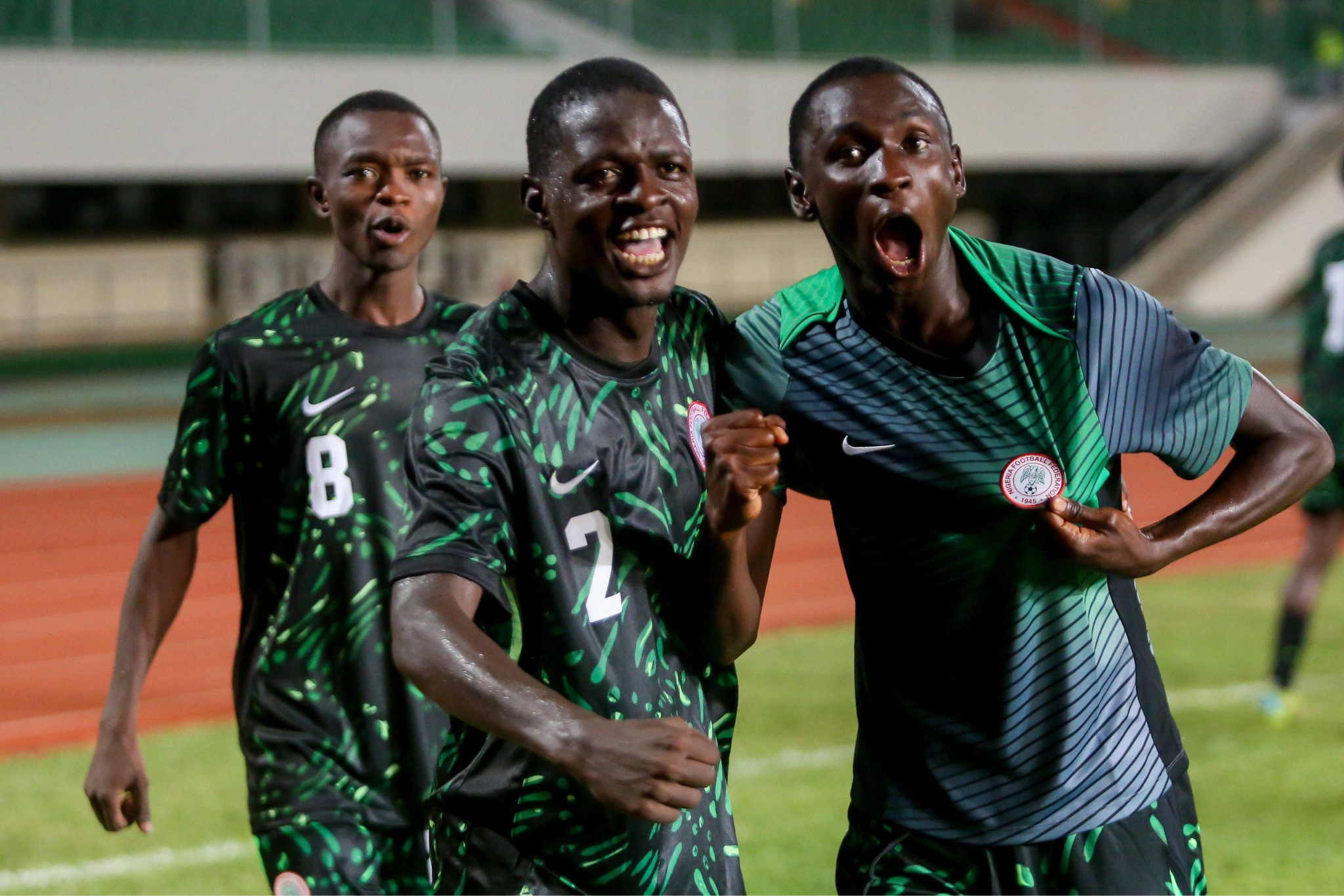
The Nigeria U20 team—The Flying Eagles—continues to serve as both a symbol of promise and a reflection of the structural realities of Nigerian football. Their success will ultimately depend on institutional support, developmental continuity, and tactical modernization.
While individual talents will emerge, the larger question is whether Nigeria can create a youth-to-senior ecosystem defined by planning rather than chance. The answer lies not only in victories but in the creation of a national football identity that treats youth development as foundational.
As public interest in youth football deepens—through analytics, media, and regulated betting platforms—stakeholders must uphold the principles of balance, ethical awareness, and long-term investment. Through resources like RG, responsible engagement becomes part of the ecosystem, ensuring that both the game and its future players are protected.
Comments