


Expert urges stronger hepatitis awareness in Nigeria

 Quick Read
If one member of a household is infected, others are at risk, especially if they share utensils like spoons, cups, or buckets..
By Chimezie Anaso
Nigerian medical expert, Mr Jude Nwabueze, has called on health policy makers at both the federal and state levels to intensify awareness campaigns on hepatitis in Nigeria.
Nwabueze made the call during an interview with the News Agency of Nigeria (NAN) in Awka on Thursday.
He described hepatitis as a deadly and highly transmissible virus that deserves as much, if not more, attention than HIV/AIDS in terms of public advocacy and education.
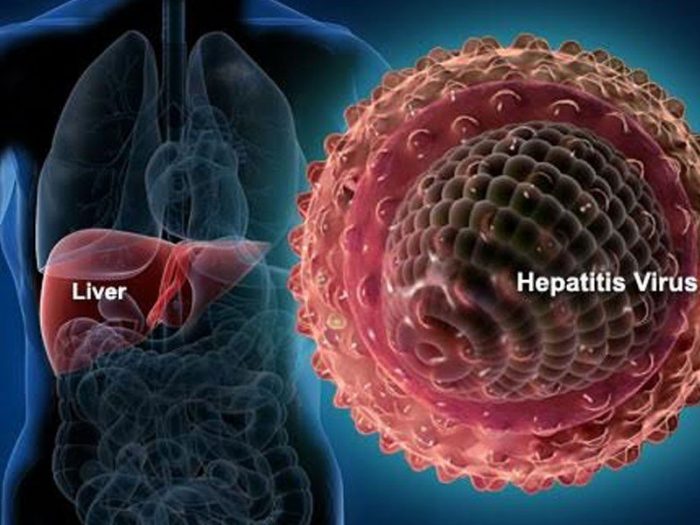
“Hepatitis is the inflammation of the liver, with variants A, B, C, D, and E. The most dangerous among them are the B and C variants,” he explained.
According to Nwabueze, laboratory scientists play a crucial role in the management of transmissible diseases through diagnosis, public awareness, and policy advisory.
He advised that national health management authorities and the National Orientation Agency should give more attention to hepatitis and other transmissible diseases, comparable to the focus currently placed on HIV/AIDS.
“The danger in this is that there are other diseases that are deadlier than HIV/AIDS, like Hepatitis B, which is more deadly and more easily transmitted. When hepatitis enters the body, it attacks the liver. The public needs to understand this. They need to know that testing is essential and that there are ways to protect themselves,” he said.
Nwabueze emphasised the importance of early testing, saying that the virus could remain in the body for a long time without symptoms, which would make it more difficult to manage once it becomes evident.
He said hepatitis could be contracted through contact with body fluids such as sweat, saliva, sputum, blood, semen, and urine, and that even casual contact with an infected person could pose a risk.
The scientist noted that a hepatitis vaccine existed and could provide protection for up to 10 years.
He advised individuals who were unsure of their health status to get tested and vaccinated if necessary.
“There is no place for ‘trusted partners’ when it comes to viral diseases. Everyone should know their status,” he warned.
Nwabueze recommended that health policy makers and public health managers should bring hepatitis education directly to the people.
“The bad thing about hepatitis is that by the time symptoms begin to show, the disease may have progressed significantly. If one member of a household is infected, others are at risk, especially if they share utensils like spoons, cups, or buckets,” he added. (NAN)
Comments