



U.S. puts $50M price on Nicolás Maduro’s head over drug trafficking allegations

 Quick Read
The increased reward is authorised by the U.S. Secretary of State and aligns with President Donald Trump’s “America First” priorities, which place a strong emphasis on countering transnational organised crime and protecting U.S. citizens and interests abroad.
By Kazeem Ugbodaga
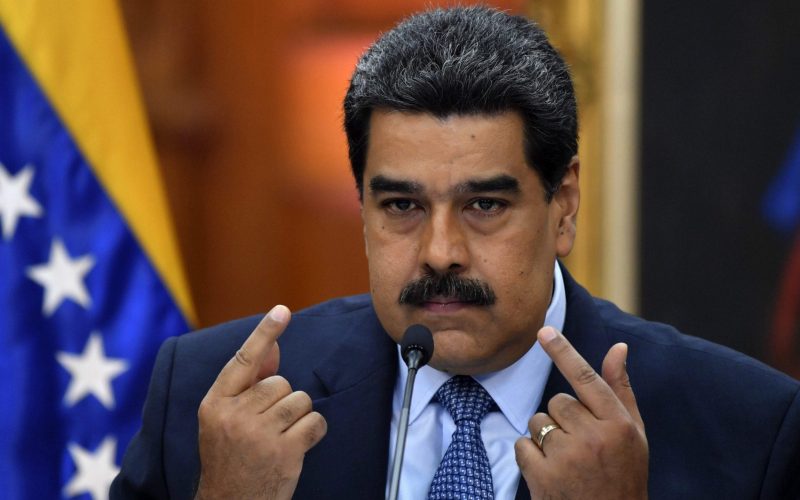
The United States has increased its reward offer to up to $50 million for information leading to the arrest or conviction of Venezuelan leader Nicolás Maduro, in connection with alleged violations of U.S. narcotics laws.
The announcement, jointly made by the Department of State and the Department of Justice, comes under the Narcotics Rewards Program (NRP), which supports global law enforcement efforts to disrupt transnational crime and bring high-profile fugitives to justice.
According to U.S. authorities, Maduro has for more than a decade served as a senior figure in the Cartel de los Soles, a network accused of trafficking large quantities of cocaine and other drugs into the United States.
On July 25, 2025, the U.S. Department of the Treasury formally designated the cartel as a Specially Designated Global Terrorist (SDGT) entity.
The State Department accused Maduro of systematically undermining democracy in Venezuela, including claiming victory in the country’s July 28, 2024 presidential election without providing verifiable evidence.
Washington has refused to recognise him as the legitimate president, citing widespread irregularities and repression.
The increased reward is authorised by the U.S. Secretary of State and aligns with President Donald Trump’s “America First” priorities, which place a strong emphasis on countering transnational organised crime and protecting U.S. citizens and interests abroad.
The U.S. is urging anyone with credible information to contact the Drug Enforcement Administration (DEA) via voice, text, WhatsApp, Signal, or Telegram at +1-202-681-8187, or by email. Information can also be provided in person at any U.S. Embassy or Consulate abroad, or at local DEA field offices within the United States.
Authorities have stressed that all informant identities will be kept strictly confidential, but government officials and employees are not eligible for the reward.
The State Department underscored that the move is part of a broader push to combat narcotics trafficking, terrorism financing, and other illicit activities that threaten U.S. national security.
Comments