


Childhood illnesses on the rise as breastfeeding rates decline – Report

 Quick Read
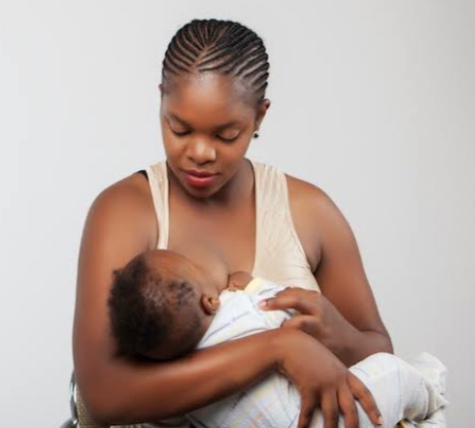
World Breastfeeding Week, observed annually from August 1–7, aims to promote breastfeeding as a cornerstone of child health and development.
Youth advocates in Kano State have raised concerns over the rising number of childhood illnesses attributed to inadequate breastfeeding practices, as activities marking World Breastfeeding Week concluded across the city.
The campaign, spearheaded by U-Reporters under the UNICEF platform, involved awareness rallies at key locations including Kofar Nasarawa, Dangi Roundabout, and KSIP.
The goal, organizers say, is to educate mothers and communities on the critical health benefits of exclusive and prolonged breastfeeding.
Speaking during the rally, Jibril Umar, team lead for U-Reporters in Kano, warned that many common childhood diseases are directly linked to insufficient breastfeeding or early weaning.
He called on mothers to ensure their babies are breastfed for a minimum of 24 months to strengthen immunity and improve overall development.
“Proper breastfeeding is essential for a child’s survival and long-term health,” Umar said. “We are encouraging mothers to take breastfeeding seriously not just as a cultural norm, but as a life-saving practice.”
He also urged expectant mothers to prepare themselves both physically and mentally for the demands of breastfeeding and to observe high standards of hygiene, stressing that poor sanitation can result in infections transmitted from mother to child.
The campaign further highlighted the need for a shift in societal attitudes towards breastfeeding and called on government stakeholders to take a more active role in supporting awareness efforts across rural and urban communities.
World Breastfeeding Week, observed annually from August 1–7, aims to promote breastfeeding as a cornerstone of child health and development.
This year’s theme emphasized the importance of creating environments that support breastfeeding mothers at all levels—from families and communities to workplaces and policy
Comments