


Don calls on AU to Tackle Algorithmic Bias in Migration Policies

 Quick Read
In his paper, titled “Migrant Identity in the Age of Artificial Intelligence: Technology, Surveillance, and Belonging,” he argued that AI-driven systems are quietly making decisions with profound implications for migrants’ rights, dignity, and sense of belonging.
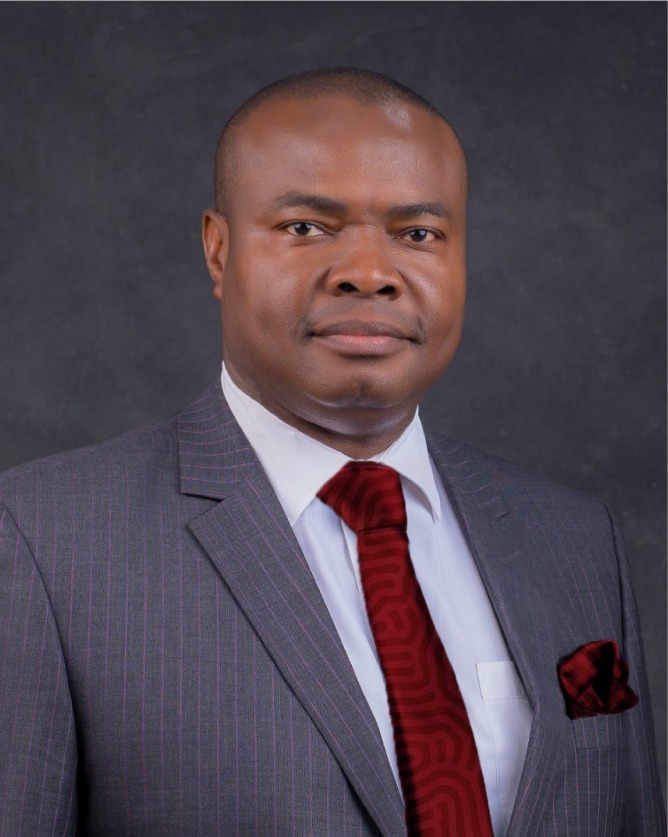
African governments and institutions must urgently address algorithmic bias in migration systems, warning that artificial intelligence (AI) and digital surveillance are increasingly shaping how migrants are perceived, categorized, and treated, Dr. Nduneche Ezurike has said.
Dr. Ezurike made the call at the 3rd International Conference of the College of Management and Social Sciences at Fountain University.
In his paper, titled “Migrant Identity in the Age of Artificial Intelligence: Technology, Surveillance, and Belonging,” he argued that AI-driven systems are quietly making decisions with profound implications for migrants’ rights, dignity, and sense of belonging.
“Migrants are no longer simply seen as human beings with histories and hopes, they are being reduced to data points in opaque systems,” Dr. Ezurike said.
“If we don’t address this digital profiling now, we risk automating discrimination at scale across the continent.”
His presentation explored the growing use of technologies such as facial recognition, predictive analytics, and biometric surveillance by governments and international agencies, often without accountability or transparency.
Dr. Ezurike emphasized the need for the African Union to develop its own ethical frameworks for AI in migration and public identity systems.
Earlier, Prof. Siyan Oyeweso, Pro-Chancellor and Chairman of the Governing Council at Obafemi Awolowo University, highlighted the importance of democratizing digital access.
“We must build compassionate technologies and inclusive digital communities,” he said.
“Our youth must learn that identity is culture, not conflict.” Prof. Oyeweso advocated for inclusive technology policies, local-language digital literacy, and gender-sensitive tech training.
Other high-level speakers included Prof. Abdul-Rauf Ambali, Vice Chancellor of Abdul-Rasak Abubakar Toyin University, who stressed that information and communication technology (ICT) and digital platforms are crucial to unlocking sustainable development in Africa.
“Digital governance can support inclusive growth, accountability, and economic resilience,” he said.
The host Vice Chancellor, Prof. Olayinka Ramota Karim, reaffirmed Fountain University’s commitment to global academic excellence and real-world relevance.
In her welcome address, Dr. Raheemat Adeniran, Dean of the Faculty of Management and Social Sciences, described the conference as “a platform for engaging with pressing global issues through local lenses.”
The international academic gathering, themed “Identity, Migration, and Development in the Digital World,” drew researchers and scholars from universities across Nigeria and abroad. The three-day conference addressed sub-themes including digital finance and entrepreneurship, AI and identity governance, migration narratives in media, and ethical dilemmas in algorithmic decision-making.
The four-day event provided a forum for global scholars to discuss how emerging digital technologies intersect with human rights, migration, and identity governance, underscoring the urgency of ethical and inclusive frameworks for Africa’s digital future.
Comments